How to Transplant Salak palm?
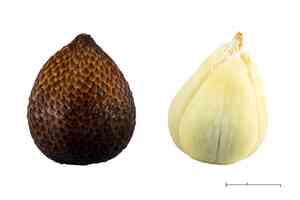
The ideal period for relocating salak palm spans from early spring's awakening through its peak flowering phase. Choose a site that offers shade and consistent moisture, replicating its natural tropical habitat, and verify that the ground drains effectively. Incorporating some organic material will encourage root establishment. Bear in mind that a tranquil environment is crucial for salak palm's successful adaptation after transplantation.
What Preparations are Needed Before Transplanting Salak Palm?
What is the Ideal Time for Transplanting Salak Palm?
The optimal period for relocating salak palm is during the early to mid-spring season. This timeframe allows salak palm to establish itself in moderate temperatures before the full intensity of summer. Furthermore, transplanting salak palm in this season aligns with its growth cycle, fostering stronger root development and acclimatization, ensuring a robust foundation for the plant's future thriving.
How Much Space Should You Leave Between Salak Palm Plants?
To allow your salak palm to thrive, aim for a spacing of approximately 6-8 feet (1.8-2.4 meters) between each plant. This provides ample room for their development, preventing competition for nutrients and light.
What is the Best Soil Mix for Salak Palm Transplanting?
Prepare a rich, well-drained soil mixture, enriched with organic compost as a foundational fertilizer. This creates a nourishing environment for salak palm roots to spread and absorb nutrients effectively.
Where Should You Relocate Your Salak Palm?
Select a location where your salak palm will receive partial sunlight. These plants prefer bright but filtered light, so a spot with morning sun and afternoon shade, or dappled light throughout the day, would be perfect.
What Equipments Should You Prepare Before Transplantation Salak Palm?
Gardening Gloves
To safeguard your hands while handling soil and the plant.
Shovel or Spade
To excavate the salak palm from its original spot and dig a new planting hole.
Pruning Shears
To trim any damaged or excessively long roots.
Wheelbarrow
To move the salak palm from its initial location to the new planting site.
Garden Hose or Watering Can
To hydrate the salak palm before removal and after planting.
Measuring Tape
To ensure the new hole is the appropriate size for the root ball.
How Do You Remove Salak Palm from the Soil?
How Do You Remove Salak Palm from the Soil?
From Ground: First, water the salak palm plant to moisten the soil. Then, dig a wide trench around the plant with a shovel or spade, ensuring the plant's root ball remains intact. Gently work the spade beneath the root ball to lift the plant from its original position.From Pot: Water the soil in the pot and carefully tilt the pot sideways, supporting the salak palm from its base. Gently tap and squeeze the sides of the pot to loosen the root ball before carefully easing the salak palm out.From Seedling Tray: Water the seedlings to make the soil damp. Use a spoon or a dibber to gently lift the salak palm seedling by its leaves, not the stem, to minimize damage to the plant.
Step-by-Step Guide for Transplanting Salak Palm
Preparation
Gather all necessary tools and equipment for transplanting the salak palm.
Root Ball Care
Water the salak palm thoroughly before beginning the process to ensure soil adheres to the roots.
Digging Up
Using your shovel or spade, dig around the salak palm to extract it with a substantial amount of soil clinging to the roots for protection.
Hole Preparation
Dig a hole in the new location that is twice as wide as the root ball and of the same depth, providing ample space for the roots to spread.
Placing salak palm
Position the salak palm in the center of the new hole, ensuring it is at the same depth as it was in its original spot.
Refilling Hole
Backfill the hole with soil, gently firming around the plant to eliminate air pockets.
Initial Watering
Water the salak palm generously after planting to settle the soil and hydrate the roots.
How Do You Care For Salak Palm After Transplanting?
Mulching
Apply a layer of organic mulch around the base of the salak palm to help retain soil moisture and regulate temperature.
Stabilization
Insert a stake next to the salak palm if it is tall and prone to swaying, and loosely tie the plant to it for support.
Monitoring
Keep a close watch on the salak palm for signs of stress, such as wilting leaves or stunted growth, and address any issues promptly.
Troubleshooting Common Issues with Salak Palm Transplantation.
What's the best time to transplant salak palm?
The ideal time is during the freshness of spring, from early to mid-spring.
How far apart should I space salak palm when transplanting?
Aim to give each salak palm a generous spread of about 6-8 feet (1.8-2.4 meters) apart.
Why is my salak palm wilting after transplanting?
Wilting could indicate shock. Ensure proper watering and avoid full sun until it establishes.
How deep should the hole be for transplanting salak palm?
Dig a hole that's twice the width and the same depth as the root ball.
Should I amend the soil when transplanting salak palm?
Yes, mix in compost or well-rotted manure to enrich the soil and boost growth.
How do I prepare salak palm's root ball for transplanting?
Gently loosen the roots without damaging them to encourage growth into the new soil.
Can I transplant salak palm during a hot day?
No, transplant on a cooler, cloudy day to reduce stress and prevent rapid moisture loss.
How much water does salak palm need after transplanting?
Water thoroughly until soil settles, then keep moist but not soggy as roots establish.
What should I do if the leaves of salak palm turn yellow after transplanting?
Yellow leaves can indicate over-watering or nutrient deficiency. Adjust care and consider a soil test.
How can I protect my transplanted salak palm from pests?
Monitor regularly for pests, use organic repellents if needed, and keep the surrounding area clean.



