How to Transplant Pauper's-tea?
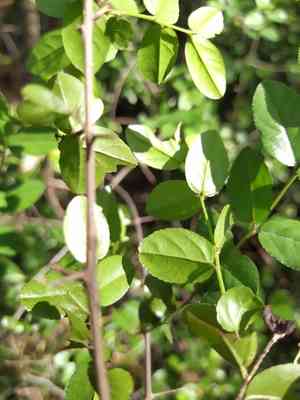
As winter's cold recedes and the mild warmth of early spring emerges, this is the ideal period to relocate pauper's-tea. Choose a spot receiving filtered light and possessing good drainage to guarantee vigorous development. A careful approach aids in the successful move.
Necessary Preparations Before Relocating Pauper's-tea?
Optimal Period for Moving Pauper's-tea?
Initiate the transfer of pauper's-tea during the early weeks of spring for an ideal growth kick-off. In this season, the mild climate assists pauper's-tea's roots in establishing without the stress of extreme temperatures. By transplanting at this time, you provide pauper's-tea a strong foundation for the year, with extended daylight hours fostering its development. Undertaking this gardening task now promises a lush, flourishing pauper's-tea that can be the green gem of your garden.
Required Spacing Between Pauper's-tea Specimens?
For novice gardeners, when transplanting pauper's-tea, ensure you allow a distance of 2-3 feet (60-90 cm). This spacing provides your plant ample room to expand and blossom.
Best Soil Blend for Pauper's-tea Relocation?
Pauper's-tea thrives in soil that drains effectively, ideally sandy or loamy. Remember to enrich your soil with a base layer of organic material or compost, such as aged manure, as it provides sustenance to the plant.
Where to Replant Your Pauper's-tea?
Keep in mind, pauper's-tea needs partial sunlight to flourish. A spot that receives filtered sunlight or light shade for part of the day would be perfect. Avoid areas exposed to intense afternoon sun.
Equipment to Prepare Before Transplanting Pauper's-tea?
Gardening Trowel
Useful for excavating small holes for the pauper's-tea plant's root system in its new location.
Watering Can
For moistening the soil both before and after the transplanting process.
Gardening Gloves
To safeguard your hands while handling the soil and the plant.
Garden Fork
Excellent for lifting the plant from its original spot, especially if it's been growing in the ground.
Shovel
Utilized to dig the new planting site for pauper's-tea.
Pruning Shears
To trim any damaged or obstructive parts of the root system.
Compost
To supply some initial nutrients to the plant in its new environment.
How to Extract Pauper's-tea from the Soil?
How to Extract Pauper's-tea from the Soil?
From Ground: First, hydrate the pauper's-tea plant to moisten the soil. Then, dig a wide trench around the plant using a garden fork or shovel, ensuring the plant's root ball stays intact. Carefully work the spade beneath the root ball to lift the plant from its original position. Trim any damaged roots with pruning shears.From Pot: If the pauper's-tea plant is in a container, water it thoroughly before beginning. Turn the pot sideways, gently hold the plant by its base, and tap the bottom of the pot until the plant slides out. Avoid pulling the plant forcefully as this can cause damage.Seedling Tray: Water the pauper's-tea seedlings well in the tray. Once the soil is damp, you can carefully separate the seedlings by their leaves (avoid touching the stem). Once arranged, hold the seedling by its root ball â not by its stem â and then gently lift it out.
Detailed Guide for Relocating Pauper's-tea
Preparation
The chosen site for pauper's-tea transplantation should be ready before you remove the plant. Dig a hole that is twice as wide and slightly deeper than the plant's root ball. Incorporate a layer of compost into the hole for initial nourishment.
Transplanting
Carefully place the pauper's-tea plant in the hole, ensuring the top of the root ball is level with the ground surface and the plant stands upright. Backfill the hole with soil, gently pressing the earth around the roots.
Watering
Water gently immediately after transplantation. This helps the plant settle and ensures good soil contact at the root level. Continue watering as needed, but prevent saturation to avoid root rot.
Post-Transplant Care for Pauper's-tea?
Mulching
Apply a thin layer of organic mulch around the pauper's-tea to retain moisture and suppress weed growth.
Pruning
Remove any dead or withered leaves to encourage new growth and reduce stress on the plant.
Observation
Closely monitor the plant for the initial few weeks. Watch for signs of stress, such as wilting foliage or a lack of new development. If observed, adjust watering as required.
Gentle Feeding
After a few weeks, once the plant has begun to establish, a light application of a slow-release fertilizer can promote vigorous growth.
Resolving Common Issues with Pauper's-tea Transplantation.
When is the optimal time to move the pauper's-tea plant?
The best period to transplant pauper's-tea is during the S1 season. Moving it at this time allows the plant to settle before the active growing period commences.
What is the ideal spacing for pauper's-tea during transplantation?
Always ensure to provide ample room between each plant. For pauper's-tea, space them at intervals of approximately 2-3 feet or 60-90 cm. This facilitates optimal growth.
Why are my transplanted pauper's-tea wilting?
Wilting might be due to transplant shock. Keep the plant in a shaded location for a few days after transplanting and maintain a consistent watering schedule. This will help them adapt to their new surroundings.
How much water does the pauper's-tea plant require after transplant?
Pauper's-tea needs proper watering immediately after transplanting. For the first few weeks, keep the soil moist but not waterlogged. Excessive watering could lead to root rot.
How deep should I dig the hole when transplanting pauper's-tea?
The hole should be twice as wide as the root ball of the pauper's-tea plant and deep enough to accommodate it. This is typically around 10 inches or 25 cm deep.
Do I need to prune the pauper's-tea plant before transplanting?
It's good practice to trim off damaged or dead branches of pauper's-tea prior to transplanting, which eases relocation stress and encourages new growth post-transplant.
What is the effect of lighting on transplanted pauper's-tea?
Pauper's-tea prefers bright, indirect light. After transplant, place the plant in a location where it receives the appropriate amount of light. This will aid in healthier adaptation and growth.
What type of soil is suitable for transplanting pauper's-tea?
Pauper's-tea thrives best in well-drained soil that is rich in organic matter. Improve the soil condition before transplanting to enhance the plant's growth and survival rate.
What kind of fertilizers should I use for the transplanted pauper's-tea?
Well-balanced, slow-release fertilizers are ideal for pauper's-tea. Fertilize the soil before transplanting and continue regular feedings at least until the plant is well established.
What to do if the leaves of transplanted pauper's-tea turn yellow?
Yellowing leaves could indicate a nutrient deficiency or overwatering. Monitor the watering levels and consider a slow-release fertilizer rich in essential nutrients for the transplanted pauper's-tea.



