How to Transplant Senegal saba?
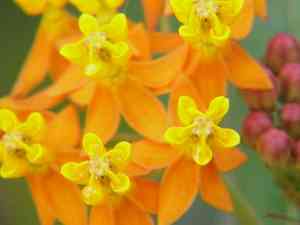
Senegal saba flourishes when relocated in the warmer period spanning from mid-summer to the initial weeks of autumn, facilitating strong root development prior to the colder season. Select a brightly lit spot with soil that drains effectively. Provide sufficient moisture for a successful transfer.
What Preparations are Needed Before Transplanting Senegal Saba?
What is the Ideal Time for Transplanting Senegal Saba?
The best season to move senegal saba is late summer to early fall. This period allows root establishment prior to winter dormancy, encouraging strong spring growth. Transplanting then ensures adequate soil warmth and moisture, lessening shock and boosting the plant's resilience and development.
How Much Space Should You Leave Between Senegal Saba Plants?
When relocating senegal saba, ensure a spacing of 10-13 feet (3-4 meters) between them. This distance provides ample room for each plant to grow and flourish.
What is the Best Soil Mix for Senegal Saba Transplanting?
Prepare well-draining, sandy to loamy soil for senegal saba. Enhance the soil with a base fertilizer containing balanced nutrients, such as a blend of compost and well-rotted manure.
Where Should You Relocate Your Senegal Saba?
Choose a spot with full sunlight for transplanting senegal saba. Aim for at least 6-8 hours of direct sun daily to ensure healthy development.
What Equipments Should You Prepare Before Transplantation Senegal Saba?
Gardening Gloves
To safeguard your hands while handling soil and the plant.
Shovel
For excavating the new site and extracting the plant from its original spot.
Spade or Trowel
Useful for working around the plant's root ball during removal.
Watering Can or Hose
To hydrate the plant before and after its relocation.
Wheelbarrow
To move the plant if it is large or difficult to carry.
Pruners or Scissors
To trim any damaged or excessively long roots.
How Do You Remove Senegal Saba from the Soil?
How Do You Remove Senegal Saba from the Soil?
From Ground: First, moisten the soil around the senegal saba plant. Then, dig a wide trench around the plant with a shovel or spade, keeping the root ball intact. Carefully work the spade beneath the root ball to lift the plant from its initial location.From Pot: Ensure the potting medium is damp but not saturated. Gently press the pot's sides to loosen the soil. Carefully tilt the pot and slide the senegal saba plant out, supporting the base and root ball with your hand.From Seedling Tray: Water the seedlings thoroughly. Use a small tool like a trowel or spoon to gently lift each senegal saba plant from the tray, retaining as much soil around the roots as possible.
Step-by-Step Guide for Transplanting Senegal Saba
Prepare the New Site
Ensure the hole is twice as wide and as deep as the senegal saba plant's root ball. This provides ample room for root expansion.
Watering the Plant
Thoroughly water the senegal saba plant before removing it from its current spot to help minimize transplant shock.
Removing the Plant
Carefully lift the senegal saba plant from its original location as detailed in the removal process section.
Transporting the Plant
If the senegal saba plant is large, use a wheelbarrow for easy transport to the new site to reduce stress on the plant.
Planting in the New Site
Place the senegal saba plant in the prepared hole, ensuring it sits at the same depth as it was in its original location. Backfill the hole with soil, gently pressing around the root ball.
Watering the Transplanted Plant
Water the senegal saba plant thoroughly immediately after planting to help settle the soil and eliminate any air pockets.
Mulching
Apply a layer of mulch around the base of the senegal saba plant to retain moisture and regulate soil temperature.
How Do You Care For Senegal Saba After Transplanting?
Watering
Keep the soil around the senegal saba consistently moist, but not waterlogged, for the initial weeks post-transplant to aid in strong root establishment.
Monitoring
Regularly inspect the senegal saba for signs of distress, such as wilting or yellowing leaves, and take corrective measures if necessary.
Support
If the senegal saba plant is tall or appears unstable, provide temporary support using garden stakes or ties until its roots are well-established.
Pruning
Remove any damaged or dead leaves to encourage healthy growth and reduce stress on the senegal saba plant.
Troubleshooting Common Issues with Senegal Saba Transplantation.
What is the best season to transplant senegal saba?
The optimal period to transplant senegal saba is from mid-summer to early fall for best growth.
How far apart should senegal saba be spaced?
Space each senegal saba plant 10-13 feet (3-4 meters) apart to allow for proper development.
What type of soil is best for senegal saba?
Senegal saba thrives in well-drained, slightly acidic to neutral soil with good organic content.
How should I prepare the soil for senegal saba?
Loosen the soil to a depth of 12 inches (30 cm) and incorporate compost before planting.
What watering schedule does senegal saba need after transplanting?
Water senegal saba deeply once a week, ensuring the soil remains moderately moist but not saturated.
How much sunlight does senegal saba need?
Senegal saba requires full sun, meaning at least 6-8 hours of direct sunlight daily.
How do I minimize transplant shock for senegal saba?
Water thoroughly before and after relocating senegal saba to help reduce transplant shock.
Should I fertilize senegal saba immediately after transplanting?
Wait a few weeks after transplanting senegal saba before fertilizing with a balanced fertilizer to avoid stress.
When is it safe to prune senegal saba after transplanting?
Allow senegal saba to establish for several months before performing any significant pruning.
How do I protect senegal saba from pests after transplanting?
Monitor senegal saba regularly for pests and use organic insecticides or neem oil as needed.



