How to Transplant Mexican petunia?
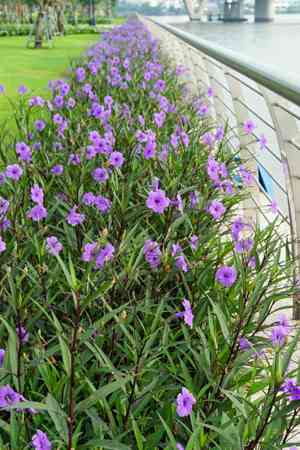
The ideal period for relocating mexican petunia is in the pleasant warmth of late spring through early summer, which permits adequate root development prior to colder months. Select a site with full sun to partial shade for best development. Carefully disentangle the root mass during the transplanting process, facilitating a smooth adjustment for your lovely mexican petunia!
What Preparations are Needed Before Transplanting Mexican Petunia?
What is the Ideal Time for Transplanting Mexican Petunia?
The optimal period to relocate mexican petunia is from late spring to early summer. This timing supports its development as the soil warms sufficiently, promoting strong root growth. This prime transplant window ensures the plant is in the best state to handle any potential shock, leading to a healthier, more thriving mexican petunia. Moving your mexican petunia during this time will allow you to enjoy its vibrant blooms throughout the summer, a true benefit for any gardener!
How Much Space Should You Leave Between Mexican Petunia Plants?
When moving mexican petunia, provide ample room for growth by maintaining 2-3 feet (60-90cm) of distance between each plant. This guarantees they have sufficient area to develop and flourish!
What is the Best Soil Mix for Mexican Petunia Transplanting?
For optimal outcomes, prepare a well-draining soil blend enriched with organic material. A combination of loamy soil, compost, and perlite works effectively. Additionally, fortify the soil with a slow-release, balanced fertilizer for a robust beginning.
Where Should You Relocate Your Mexican Petunia?
Select a site that receives at least 6-8 hours of sunlight daily, as mexican petunia prefers full sun to partial shade. An area near a fence or wall can offer protection from wind and support their development.
What Equipments Should You Prepare Before Transplantation Mexican Petunia?
Gardening Gloves
To shield your hands from rough soil and sharp implements while working with the plant.
Garden Spade or Shovel
For excavating the plant from its original spot and preparing the new planting hole.
Watering Can or Hose
To hydrate the plant before and after the relocation process.
Wheelbarrow or Plant Trolley
Useful for moving the plant from one location to another without causing undue stress to the plant or its roots.
Garden Fork
Beneficial for loosening the soil around the plant prior to transplanting.
Trowel
For digging a cavity in the designated spot for the plant.
How Do You Remove Mexican Petunia from the Soil?
How Do You Remove Mexican Petunia from the Soil?
From Ground: The initial loosening of the mexican petunia plant requires a gentle approach. Water the plant to slightly moisten the soil, which facilitates easier digging. Use a garden fork to carefully loosen the soil surrounding the plant. Ensure you dig broadly enough to prevent damage to the root system. Gently lift the plant with your spade, making sure the root ball remains intact.From Pot: If your mexican petunia plant is in a container, watering it beforehand can aid a smooth transition. Tilt the pot sideways, grasp the plant at its base, and gently pull it out. The root mass should slide free. If it's stuck, tap the sides of the pot to loosen the soil and try again.Seed Tray: Seedlings are delicate, so handle with extreme care. After watering, use a dibber or appropriate tool to lift the seedling, trying not to touch the root or stem. Hold them by their leaves if necessary.
Step-by-Step Guide for Transplanting Mexican Petunia
Preparation
Excavate a hole that is twice as wide and the same depth as the mexican petunia's root system. Break up the soil at the bottom of the hole with your hands or a tool to encourage better root growth.
Planting
Position your mexican petunia into the hole at the same depth it was previously growing. Ensure it is upright. Fill the hole halfway with garden soil, gently firming it.
Watering
Thoroughly water the plant before completely filling the hole. This settles the soil around the roots and minimizes air pockets.
Completion
After the water has drained, fill the remaining hole with soil, gently firming it around the base of the mexican petunia.
How Do You Care For Mexican Petunia After Transplanting?
Watering
Following transplantation, it's crucial to keep the mexican petunia adequately hydrated. Water it thoroughly and consistently for several weeks until it is well-established, but ensure you're not over-saturating the soil as this can harm the roots.
Protection
Consider employing a plant protector or shade cloth to shield the newly transplanted mexican petunia from harsh weather conditions or intense sunlight during the initial weeks. This helps reduce transplant shock.
Observation
Regularly monitor the mexican petunia for any indications of stress, such as wilting or discoloration. If you observe these symptoms, inspect the soil and watering conditions.
Troubleshooting Common Issues with Mexican Petunia Transplantation.
When's the best time to transplant mexican petunia?
The ideal period to move mexican petunia is late spring to early summer, when its growth is most vigorous.
How much space should I leave between mexican petunia when transplanting them?
Each mexican petunia needs approximately 2-3 feet (0.6-0.9 meter) of space from its neighbors. This provides room for healthy development.
How should I prepare the soil before transplanting mexican petunia?
Loosen the soil to a depth of about 12 inches (30 cm), then incorporate rich compost to ensure good drainage and nourishment.
What should I do if the transplanted mexican petunia shows signs of wilting?
Wilting indicates stress. Increase watering frequency, but avoid overwatering. Providing shade from intense sun can also be beneficial.
Why are my transplanted mexican petunia not flowering?
Insufficient sunlight might be the issue. Mexican petunia require full sun to bloom. Alternatively, the plant may still be adjusting to its new location.
My transplanted mexican petunia is turning yellow, why and what can I do?
Transplant stress or excessive watering could cause your mexican petunia to yellow. Allow the soil to dry between watering sessions and ensure proper drainage.
How deep should I plant mexican petunia when transplanting?
When relocating your mexican petunia, ensure the root ball is completely covered with soil, typically at the same depth it was previously planted.
How often should I water my transplanted mexican petunia?
Initial stages after transplanting will demand frequent watering until mexican petunia is established. Afterward, water moderately, ensuring the soil does not become excessively dry.
What do I do if my newly transplanted mexican petunia appears top-heavy?
Staking can help support your mexican petunia until it becomes established. Avoid tying too tightly, allowing space for the plant to grow.
Can I mulch around my transplanted mexican petunia?
Absolutely! Mulch helps maintain soil moisture and temperature, creating optimal growing conditions for mexican petunia. Just be careful not to pile it around the stem.



