How to Transplant Wild petunia?
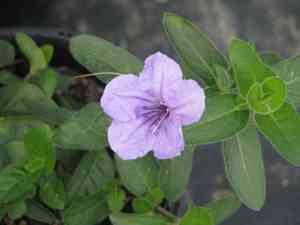
The most favorable period for relocating wild petunia is during the earth's spring revival or the initial murmurs of early summer. Select a location that receives ample sunlight to partial shade and possesses soil with good drainage. Should you be separating the plant, manage wild petunia's fragile root system gently to ensure a smooth establishment.
Essential Preparations Before Relocating Wild Petunia
Optimal Timing for Wild Petunia Relocation?
The most favorable period for moving wild petunia falls within the delightful span from late spring to early summer. This timeframe allows wild petunia to establish its root system while avoiding the harsh conditions of summer heat and winter freezes. Transplanting wild petunia during this mild climate offers ideal circumstances for rooting and adaptation without the stress of midsummer's intensity or late winter's chill. By selecting this season, you provide wild petunia with a strong beginning, enabling it to flourish and reward you with abundant beauty.
Recommended Spacing Between Wild Petunia Plants?
When relocating wild petunia, aim for a separation of approximately 2-3 feet (60-90 cm). This ensures each plant has ample room to develop and thrive. Remember, less is often more when it comes to plant density!
Ideal Soil Mixture for Wild Petunia Relocation?
For wild petunia, utilize well-draining soil, preferably sandy or loamy. Prior to planting, enrich the soil with a slow-release granular fertilizer. This will provide your plants with a nourishing start and support their long-term development.
Optimal Location for Your Wild Petunia?
For wild petunia to grow best, select a spot that receives full sunlight to partial shade. Insufficient sun can lead to less vigorous growth, so ensure your chosen area offers a balance of light and shade.
Equipment Needed for Wild Petunia Relocation
Gardening Gloves
These are crucial for safeguarding your hands from potential cuts and scrapes while handling the wild petunia.
Trowel
Used for digging small holes for relocation and extracting the plant from its current environment.
Shovel
Necessary for excavating the hole in the ground where you intend to replant.
Watering Can
This tool will supply your plant with the required moisture both before and after the relocation process.
Garden Fork
Useful for breaking up compacted soil and mixing compost into the ground.
Organic Compost
To boost the nutrient content of the soil in the new planting area, increasing the wild petunia's chances of survival.
Stakes and Tie-downs
Needed to support the plant if it is tall and requires structural assistance.
How to Extract Wild Petunia from the Soil?
How to Extract Wild Petunia from the Soil?
From Ground: Initially, ensure you water the wild petunia plant until the surrounding soil becomes moist; this facilitates the removal process. Dig around the plant using a garden fork, maintaining a safe distance to prevent root damage. Gradually loosen the soil and gently lift the plant out, preserving as much of the root structure as possible.From Pot: If moving the wild petunia from a container, begin by watering the plant thoroughly to dampen the soil. Turn the pot on its side and carefully slide the plant out, keeping the root ball intact. If the plant is stuck, tap the sides to loosen it but avoid yanking or pulling forcefully, as this can harm the roots.From Seedling Tray: For seedling trays, it's best to use a dibber or a similar tool to lift out each wild petunia seedling. Lightly water the tray and gently push the tool into the soil, lifting the seedling by its leaves. Be sure to hold the plant by the leaves to prevent any damage to the stem or root.
Detailed Guide for Relocating Wild Petunia
Preparation
Begin by watering the wild petunia plant before the relocation process to minimize shock. Prepare the new planting hole to be twice the width and depth of the root ball. Incorporate some organic compost to enhance soil nutrition.
Planting
Carefully position the wild petunia in the hole, ensuring the top of the root ball is level with the ground surface. Then, backfill the hole with soil, gently firming it around the base of the plant.
Watering
After planting, water the wild petunia thoroughly and confirm the plant has settled well into the soil. If the plant sinks, add more soil to bring it level with the ground again.
Supporting
If the wild petunia requires additional support, install stakes and loosely tie the plant, ensuring it's not too tight to restrict growth.
Post-Relocation Care for Wild Petunia
Watering
Water the wild petunia thoroughly immediately after relocation. Subsequently, water it regularly to keep the soil consistently moist but not waterlogged, aiming for at least once a week, especially during dry periods.
Pruning
It is important to trim off excess foliage after relocation to reduce stress on the roots and encourage healthy new growth. For wild petunia, a simple trim will suffice.
Monitoring
Regularly inspect your wild petunia for signs of distress such as wilting or yellowing leaves. If you observe poor growth even with proper watering, it could indicate transplant shock. In such cases, a light application of balanced liquid fertilizer can be beneficial.
Addressing Common Issues with Wild Petunia Relocation.
When is the optimal time to relocate wild petunia?
The best period to relocate wild petunia is during seasons 2-4, which typically corresponds to late spring through early autumn. This offers the most favorable conditions for growth.
What is the ideal spacing for planting wild petunia?
Wild petunia should ideally be planted 2-3 feet apart (60-90 cm) to allow sufficient room for development and prevent overcrowding, which could impede their growth.
Why do wild petunia leaves yellow after relocation?
Yellowing leaves may suggest your wild petunia is not receiving enough water, has been exposed to excessive sunlight, or is experiencing a nutrient deficiency. Adjust care as necessary.
Why is wild petunia wilting after relocation?
Wilting can occur due to shock from the relocation. Ensure stable temperature and moisture levels to help wild petunia adapt to its new environment.
How should wild petunia be watered after relocation?
Water wild petunia thoroughly but carefully after relocation. Aim to keep the soil consistently moist, but be cautious not to overwater and risk waterlogging the roots.
What soil is best for wild petunia after relocation?
Wild petunia thrives in humus-rich, well-drained soil. You might consider enriching your existing soil with compost or organic matter to provide your plant with necessary nutrients.
How much light does wild petunia need after relocation?
Wild petunia prefers full sun to partial shade. Post-relocation, ensure your plant receives approximately 6-8 hours of sunlight daily for optimal growth.
How to prevent leaf drop in wild petunia after relocation?
Leaf drop typically results from stress. Ensure a smooth relocation process, maintain a consistent temperature, provide adequate light, and water appropriately to prevent leaf drop.
Is it normal for wild petunia to show no growth after relocation?
Wild petunia may not exhibit immediate growth post-relocation as it focuses on establishing roots. Be patient, continue providing essential care, and growth should eventually resume.
How to manage pest problems in wild petunia after relocation?
Closely monitor wild petunia for signs of pests. If detected, initially use natural, mild pest deterrents, and if the issue persists, consider an organic pesticide.



