How to Transplant Brown-eyed susan?
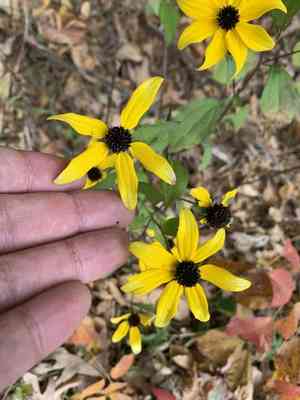
The optimal period for relocating brown-eyed susan spans from the beginning to the end of spring, or from early to mid-autumn, which fosters robust root development and more vigorous growth. Select a site that receives ample sunlight and possesses soil with good drainage. Ensure consistent watering following the transplanting process to achieve superior outcomes. Enjoy your gardening endeavors!
Preparations Required Before Relocating Brown-eyed Susan
Optimal Period for Transplanting Brown-eyed Susan
The best time to move brown-eyed susan is during the pleasant days of early to late spring or the comfortable stretch from early to mid-fall. Relocating brown-eyed susan within these periods aligns with its natural growth cycle, promoting vigorous development. Your brown-eyed susan will flourish if replanted during these times.
Recommended Spacing Between Brown-eyed Susan Plants
When transplanting brown-eyed susan, ensure adequate spacing for optimal growth. Ideally, allow 12-18 inches (30-45 cm) between each plant to facilitate good air circulation and room for expansion.
Ideal Soil Mixture for Brown-eyed Susan Transplantation
For brown-eyed susan, select a well-draining soil enriched with compost or other organic material. Incorporating a slow-release, balanced granular fertilizer (such as N-P-K 10-10-10) during soil preparation will provide the plants with an excellent start!
Choosing a New Location for Your Brown-eyed Susan
Select a sunny spot for your brown-eyed susan, as they thrive in full sun to partial shade. These adaptable plants can tolerate various light conditions, but they will achieve their best growth in a bright, sunny area!
Equipment Needed Before Transplanting Brown-eyed Susan
Gardening Gloves
To protect your hands during the process of moving the brown-eyed susan plant.
Shovel or Garden Spade
Essential for digging holes and shifting soil.
Garden Fork
Perfect for loosening the soil around the plant during its removal.
Pruning Shears
For trimming any excessively long or damaged roots.
Watering Can or Hose
To hydrate the plant after transplantation.
Organic Mulch
To aid in retaining soil moisture and inhibiting weed growth.
Method for Removing Brown-eyed Susan from the Soil
Method for Removing Brown-eyed Susan from the Soil
From Ground: Start by watering the brown-eyed susan plant to moisten the surrounding soil. Gently loosen the soil around the plant using a garden fork or shovel. Maintain a safe distance from the plant's base to prevent root damage. Once the soil is sufficiently loose, slide your shovel beneath the root ball and lift the plant from its original spot.From Pot: Begin by carefully watering the brown-eyed susan plant if the soil appears dry. Turn the pot on its side, gently hold the plant by its stems, and tap the bottom of the container until the plant slides out. Avoid pulling the plant to prevent damage to its root structure.From Seedling Tray: Thoroughly water the tray to moisten the soil before transplanting. Gently push the base of each cell or use a small tool to lift the brown-eyed susan plant out, taking care not to harm the delicate roots.
Step-by-Step Guide for Transplanting Brown-eyed Susan
Preparation
Dig a hole in the chosen planting spot that is twice the width and the same depth as the brown-eyed susan's root ball. A wider hole allows the roots ample space to spread and develop.
Transplant
Position the brown-eyed susan plant in the hole, ensuring it sits at the same depth as it was in its previous location. The top of the root ball should be level with or slightly above the surrounding ground.
Backfill
Carefully refill the hole, gently firming the soil around the root ball. Avoid mounding soil against the plant's stem, as this can lead to rot.
Initial Watering
Once the brown-eyed susan is in place, provide a generous amount of water to help it settle into its new environment.
Mulching
Apply a layer of organic mulch around the base of the brown-eyed susan plant to help retain soil moisture and suppress weed growth.
Post-Transplant Care for Brown-eyed Susan
Watering
Regularly water the newly transplanted brown-eyed susan, especially during its initial weeks. The soil should remain consistently moist, but prevent overwatering.
Pruning
Remove any dead or yellowing leaves to encourage fresh growth.
Monitoring
Observe the brown-eyed susan plant for several weeks after transplanting. Look for signs of transplant stress, such as wilting or yellowing foliage, and intervene if necessary. The plant should resume normal growth within a few weeks.
Pests and Diseases
Monitor the health of brown-eyed susan as certain pests or diseases might affect the plant. If you observe signs of pest infestations or disease, apply the appropriate insecticide or fungicide as needed.
Resolving Common Issues with Brown-eyed Susan Transplantation.
What is the best time of year to transplant brown-eyed susan?
The ideal transplanting period for brown-eyed susan is during the vibrancy of early to late spring, or within the cool ambiance of early to mid-fall.
How much space should be left between each brown-eyed susan during transplanting?
To foster robust growth, allow approximately 12 to 18 inches (30-45 cm) of space between each brown-eyed susan when transplanting.
What can be done if the transplanted brown-eyed susan wilts or browns after transplanting?
Wilting or browning may indicate transplant shock. Mitigate stress by watering consistently, avoiding direct harsh sunlight, and adding mulch to conserve moisture.
How can I help my brown-eyed susan establish quickly after transplanting?
Water thoroughly post-transplant, keep the soil consistently moist, and use a slow-release fertilizer to supply the necessary nutrients for brown-eyed susan to establish.
What are some common diseases or pests that affect brown-eyed susan post-transplanting and how to avoid them?
Brown-eyed susan may be susceptible to fungal infections or aphids after transplanting. Prevent these by ensuring good air circulation, proper spacing, and using a suitable pesticide if required.
What soil type is best when transplanting my brown-eyed susan?
Brown-eyed susan prefers well-drained soil, with a slight inclination towards clay soils. Ensure the soil contains sufficient organic matter for optimal plant health.
How deep should I dig the hole when transplanting brown-eyed susan?
Dig a hole that is twice the width and the same depth as the brown-eyed susan's root ball. This provides the roots with space to expand and grow.
What's the ideal way to water brown-eyed susan after transplanting?
Water brown-eyed susan thoroughly after transplanting, and maintain consistent soil moisture without waterlogging. Watering early in the day is best to minimize moisture loss.
What to do if the transplanted brown-eyed susan shows no signs of growth?
Patience is crucial here. However, if brown-eyed susan shows no growth after several weeks, it's advisable to re-evaluate the soil condition, watering regimen, and sunlight availability.
Can I transplant brown-eyed susan to a pot from the garden?
Certainly! Simply select a pot large enough for its roots, and provide the same care as you would for a garden planting.



