How to Transplant Southern dewberry?
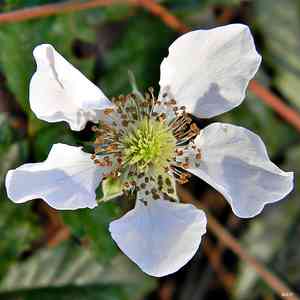
The ideal period for relocating southern dewberry is during the mild temperatures of late spring or the commencement of early summer, fostering vigorous development. Select a location offering full sun to partial shade, featuring soil that drains effectively. Careful manipulation guarantees the roots remain intact throughout the transfer.
What Preparations are Needed Before Transplanting Southern Dewberry?
What is the Ideal Time for Transplanting Southern Dewberry?
The perfect time for relocating southern dewberry is during the pleasant days of late spring or the start of early summer. This period allows southern dewberry to develop a robust root system before colder weather arrives. Moving southern dewberry at this time promotes vigorous growth, as the ground temperature is sufficiently warm for root development, yet the intense heat of mid-summer has not yet begun, lessening transplant shock. Enthusiastically moving southern dewberry in this season sets it up for peak health and vibrancy, ensuring a lovely display of its inherent beauty.
How Much Space Should You Leave Between Southern Dewberry Plants?
To ensure your southern dewberry flourishes, carefully plan its spacing. Provide ample room for each to expand, ideally about 3-5 feet (0.9-1.5 meters). This guarantees they have adequate air circulation and won't compete with each other!
What is the Best Soil Mix for Southern Dewberry Transplanting?
For soil preparation, southern dewberry thrives in well-drained, sandy or loamy soil. A balanced compost blend as a base fertilizer would be ideal! This helps supply the nutrients your southern dewberry needs to grow strong and healthy.
Where Should You Relocate Your Southern Dewberry?
Regarding placement, southern dewberry enjoys a sunny spot but can endure some shade. Therefore, aim for a location that receives approximately 6-8 hours of sunlight daily, but avoids extreme heat for the best outcomes.
What Equipments Should You Prepare Before Transplantation Southern Dewberry?
Gardening Gloves
To safeguard your hands while handling the plant and working with the earth.
Spade or Shovel
To excavate a hole for the new plant and to extract the plant from its initial position.
Watering Can
To hydrate the plant prior to and following its relocation.
Bucket
To temporarily hold the plant between its removal from the original spot and its placement in the new location. This prevents root desiccation.
Garden Trowel
To fine-tune the planting hole and assist in positioning the plant correctly.
Mulch
To maintain soil moisture and stabilize soil temperature after the transplant.
How Do You Remove Southern Dewberry from the Soil?
How Do You Remove Southern Dewberry from the Soil?
From Ground: Start by watering the southern dewberry plant to moisten the soil surrounding its roots. Use a shovel or spade to dig a broad, shallow trench around the plant, being careful not to harm the roots. Work the spade beneath the root ball and gently lift the plant from its original site. Place it carefully in a bucket to prevent the roots from drying out.From Pot: First, hydrate the plant. Turn the pot on its side, gently hold the southern dewberry plant's base, and try to slide it out. You might need to tap the pot's bottom to aid this process. If the plant is pot-bound (roots filling the pot), you may need to break the container.From Seedling Tray: Carefully lift the southern dewberry plant with a dibber or a small trowel, supporting the root ball. Avoid holding the seedling by the stem as this can cause damage.
Step-by-Step Guide for Transplanting Southern Dewberry
Plant Removal
Execute the removal procedure as detailed above based on your specific situation. Remember to be gentle to avoid root damage.
Digging
Use a shovel or spade to excavate a hole in the new location. The hole should be wide and deep enough to accommodate the southern dewberry plant's root ball.
Placing the Plant
Carefully position the plant into the hole. The top of the root ball should be level with or slightly above the surrounding soil.
Fill the Hole
Backfill the hole with soil, gently firming it around the plant's root ball.
Watering
Thoroughly water the plant using a watering can.
Mulching
Apply a layer of mulch around the southern dewberry plant to help retain soil moisture and regulate temperature.
How Do You Care For Southern Dewberry After Transplanting?
Watering
Water the southern dewberry plant thoroughly after transplanting and continue to do so regularly, especially during dry spells. The soil should remain damp but not waterlogged.
Mulching
Inspect the mulch frequently and replenish if needed to maintain its benefits to the soil around the southern dewberry plant.
Monitoring
Observe the southern dewberry plant for indications of transplant shock, such as wilting, yellowing, or leaf drop. If these signs appear, continue to water and care for the plant, and consider seeking additional advice.
Pruning
Remove any fruit or flowers in the first year after transplanting to allow the southern dewberry plant to focus on establishing a robust root system.
Troubleshooting Common Issues with Southern Dewberry Transplantation.
When is the best time to transplant southern dewberry?
The optimal season to move your southern dewberry is during the latter part of the growing season. This typically corresponds to late summer to early autumn.
How much space should I leave between each southern dewberry when transplanting?
When relocating your southern dewberry, ensure you provide ample space for its growth. Ideally, this should be approximately 3-5 feet (90-150 cm) apart.
Why has my transplanted southern dewberry wilted?
Wilting after relocation is often due to shock. Minimize transplant shock by keeping the root system as intact as possible during the process.
The leaves on my transplanted southern dewberry have turned yellow. What's the issue?
Yellowing foliage could indicate excessive watering or inadequate drainage. Ensure your southern dewberry is in well-draining soil and avoid saturating the roots.
How deep should I dig the hole when transplanting southern dewberry?
The hole should be deep enough to accommodate the entire root ball of your southern dewberry; typically twice the width and depth of the roots.
What kind of soil does southern dewberry need when being transplanted?
Southern dewberry prefers slightly acidic to neutral soil. Ensure the soil is well-drained and rich in organic matter for optimal growth.
Should I prune my southern dewberry before transplanting it?
Yes, trim your southern dewberry before relocating it, leaving only the healthiest and strongest branches. This will reduce stress on the plant during the move.
How should I water my newly transplanted southern dewberry?
Water thoroughly after transplanting. Keep the soil consistently moist but not waterlogged. Excessive dryness or wetness can harm your southern dewberry.
Why hasn't my transplanted southern dewberry produced any fruit?
Patience is key here, as newly relocated southern dewberry might take some time to establish and begin producing fruit. Ensure it receives optimal care.
My transplanted southern dewberry is growing slowly. What can I do to speed it up?
Ensure that your southern dewberry has suitable conditions: sufficient space, sunlight, and nutrient-rich soil. Also, consider a balanced fertilizer to support growth.



