How to Transplant Dyer's madder?
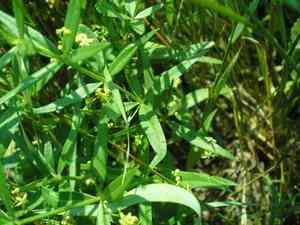
The optimal period for transplanting dyer's madder is during nature's revival, generally spanning from the spring equinox through the pleasantness of late spring. Select a location that receives ample sunlight and possesses soil with good drainage. When shifting dyer's madder, ensure its root system remains undisturbed to facilitate a smooth adjustment.
What Preparations are Needed Before Transplanting Dyer's Madder?
What is the Ideal Time for Transplanting Dyer's Madder?
The optimal period for relocating dyer's madder is during its resurgence in early to mid-spring. At this time, temperatures are mild, facilitating root establishment without the strain of extreme heat or cold. Moving dyer's madder as the ground thaws allows its root system to adjust and benefit from the increasing spring moisture and nutrients. This timing also aligns with the natural growth cycle of perennials, ensuring a smoother transition and promoting vigorous development. Rely on this season for a thriving dyer's madder in your garden!
How Much Space Should You Leave Between Dyer's Madder Plants?
When preparing to plant dyer's madder, ensure each plant has sufficient room to thrive. Aim for a spacing of approximately 18-24 inches (45-60 cm) between them. This provides ample space for growth and proper air circulation among the plants!
What is the Best Soil Mix for Dyer's Madder Transplanting?
Before settling dyer's madder into your garden, prepare the soil with care. Choose a well-drained, loamy soil; a balanced mix with a neutral pH is crucial! Enriching the site with a balanced, slow-release fertilizer will give dyer's madder the boost it needs.
Where Should You Relocate Your Dyer's Madder?
Find a sunny location for dyer's madder, as these plants thrive in sunlight. A spot that receives full sun to partial shade will make your dyer's madder happiest. So, locate a cheerful corner where sunlight can illuminate the leaves for at least 4-6 hours daily.
What Equipments Should You Prepare Before Transplantation Dyer's Madder?
Gardening Gloves
To safeguard your hands while handling soil and plants.
Trowel
For digging and carefully moving the dyer's madder plant.
Watering Can
To hydrate the dyer's madder plant before and after relocation.
Shovel/Spade
Necessary for efficiently excavating larger dyer's madder plants from the ground.
Garden Fork
Useful for loosening soil and gently lifting the dyer's madder plant's root ball with minimal harm.
Wheelbarrow or Garden Cart
For transporting the dyer's madder plant and soil.
Secateurs or Pruning Shears
To trim any damaged roots or foliage.
Root Pruning Saw or Sharp Knife
For larger root systems that might require trimming.
Measuring Tape
To ensure correct spacing when transplanting multiple dyer's madder plants.
Mulch
To help maintain soil moisture and reduce weed competition around the new site.
How Do You Remove Dyer's Madder from the Soil?
How Do You Remove Dyer's Madder from the Soil?
From Ground: First, moisten the dyer's madder plant's soil. This will make it easier to manage and reduce stress on the roots. Using a shovel or spade, begin digging around the plant, leaving ample space to avoid cutting into the root system. Angle the blade away from the plant as you dig to carefully lift the plant and root ball from the ground.From Pot: Water the dyer's madder thoroughly beforehand. Turn the pot on its side and tap the bottom edge on a firm surface to help loosen the root ball. Hold the plant's base with one hand, and with the other, gently pull the pot away. If the plant is stuck, you can use a knife to run along the inside edge of the pot to free the root ball.From Seedling Tray: Dampen the soil in the seedling tray to minimize root disturbance. Use a trowel or your fingers to gently lift the seedling by its leaves, not the stem, to prevent damage. Supporting the root ball, carefully remove the plant from the tray.
Step-by-Step Guide for Transplanting Dyer's Madder
Prepare the New Site
Clear the area of weeds and debris. Loosen the soil with a garden fork to improve root penetration and drainage.
Dig the Hole
Create a hole that is twice as wide and the same depth as the dyer's madder's root ball to allow sufficient room for root expansion.
Handle dyer's madder Gently
Carefully remove the dyer's madder from its previous location, taking care not to harm the roots and foliage.
Position dyer's madder
Place the dyer's madder in the center of the hole, adjusting its depth so the top of the root ball is level with the surrounding soil surface.
Fill the Hole
Backfill the hole with the excavated soil, gently pressing the soil around the roots without over-compacting it.
Water Thoroughly
After planting, water the dyer's madder generously to settle the soil and eliminate air pockets. Ensure moisture reaches deep into the root zone.
Apply Mulch
Spread a layer of mulch around the base of the dyer's madder, but avoid direct contact with the stem to prevent rot and deter pests.
Provide Support
If the dyer's madder is large or top-heavy, stake it appropriately to provide stability against wind until its roots can establish.
How Do You Care For Dyer's Madder After Transplanting?
Regular Watering
Ensure the dyer's madder receives adequate water, especially during its initial growing season, to promote deep root development.
Monitor for Pests
Regularly inspect the dyer's madder for signs of pests or disease, and address any issues promptly to prevent their spread.
Pruning
Lightly prune the dyer's madder to encourage denser growth and remove any parts damaged during transplanting.
Support and Training
As the dyer's madder grows, provide support structures if necessary, and guide the plant to grow in the desired direction.
Periodic Fertilizing
Once the dyer's madder has settled into its new environment, you may begin applying a balanced fertilizer according to recommendations for established plants.
Troubleshooting Common Issues with Dyer's Madder Transplantation.
What's the best time to move my dyer's madder?
Relocate dyer's madder during the peak of springtime, ideally from the early weeks to mid-spring.
How far apart should I space my dyer's madder during transplanting?
Allow each dyer's madder ample room to flourish by spacing them 18-24 inches (45-60 cm) apart.
What soil conditions favor dyer's madder after transplanting?
Ensure dyer's madder thrives by using well-draining soil, enriched with organic matter.
Can I transplant dyer's madder during a hot day?
Avoid stressing dyer's madder by transplanting on a cool, overcast day rather than during intense heat.
Should I water my dyer's madder immediately after transplanting?
Absolutely! Give your dyer's madder a generous drink post-transplant to ease its transition and encourage root growth.
How deep should I plant my dyer's madder?
Plant your dyer's madder at the same depth it was previously growing to promote optimal health.
What if my dyer's madder's leaves wilt after transplanting?
Wilting may occur; keep the soil moist and provide shade. Dyer's madder should recover with time.
How do I prepare dyer's madder for transplanting?
Gently loosen the soil around dyer's madder, lift it carefully, and keep the root ball intact.
Can I use a starter fertilizer when transplanting dyer's madder?
Incorporating a starter fertilizer can supply essential nutrients and help dyer's madder establish in its new location.
How to protect dyer's madder from pests after transplanting?
Monitor your dyer's madder for pests and intervene with appropriate organic treatments if necessary.



