How to Transplant Dwarf rotala?
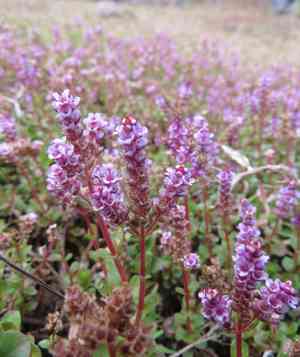
Relocate dwarf rotala as the spring season begins, taking advantage of vigorous development. Choose an aquatic environment with ample illumination, ideally with a mildly acidic substrate. Handle with delicacy – carefully extract and re-establish to prevent harm to the stems.
What Preparations are Needed Before Transplanting Dwarf Rotala?
What is the Ideal Time for Transplanting Dwarf Rotala?
The optimal period for relocating dwarf rotala is during the lush vitality of mid-spring. Moving dwarf rotala in this season, as new growth emerges, guarantees a smooth transition and strong establishment. Embracing this timing leverages nature's awakening, providing dwarf rotala the full benefit of longer days and milder temperatures, essential for its root development and adaptation. Settle your dwarf rotala into its new home when the soil is damp and workable, and the threat of frost has passed, to encourage a flourishing of health and vigor in your garden.
How Much Space Should You Leave Between Dwarf Rotala Plants?
Your dwarf rotala plants prefer their own space! Ensure they're about 0.5-1 feet (15-30 cm) apart when transplanting, which will encourage healthier and more abundant growth.
What is the Best Soil Mix for Dwarf Rotala Transplanting?
For soil, dwarf rotala thrives in well-drained, loamy or sandy varieties. Begin by incorporating a foundational fertilizer, such as compost or well-decomposed manure, to supply vital nutrients and enhance soil quality.
Where Should You Relocate Your Dwarf Rotala?
Your dwarf rotala requires abundant sunlight! Select a location that receives ample daily sun. However, they can also endure partial shade, so don't be concerned if your garden isn't entirely sunny.
What Equipments Should You Prepare Before Transplantation Dwarf Rotala?
Gardening Trowel
Utilized for excavating small holes and shifting minor quantities of earth.
Gardening Gloves
To safeguard your hands while handling soil and dwarf rotala.
Bucket or Container
To hold the dwarf rotala after extraction and during transport.
Garden Shears
For trimming and shaping the dwarf rotala to ready it for relocation.
Watering Can
To supply sufficient moisture for the plant during the transplanting process.
Measuring Tape
To ensure precise spacing during transplantation.
How Do You Remove Dwarf Rotala from the Soil?
How Do You Remove Dwarf Rotala from the Soil?
From Ground: First, hydrate the dwarf rotala to moisten the soil. Then, carefully dig around the plant using a trowel. Ensure to dig broadly enough so the plant's root ball remains intact. Work the trowel beneath the root ball to lift the dwarf rotala from its original spot.From Pot: Start by watering the dwarf rotala to dampen the soil. Invert the pot, gently tap it to loosen the soil and carefully extract the dwarf rotala from its container.From Seedling Tray: Similar to removing from a pot, first water the tray to soften the soil, then gently separate the seedlings by lifting from the leaves, not by pulling.
Step-by-Step Guide for Transplanting Dwarf Rotala
Preparation
Begin by trimming the dwarf rotala using the garden shears to remove any dead or damaged sections.
Site Preparation
Excavate a hole twice as wide as the plant's root ball and equal in depth.
Placing the Plant
Position the dwarf rotala into the hole, ensuring the top of the root ball is level with the ground.
Backfilling
Refill the hole with soil and gently firm it around the base.
Watering
Generously water the dwarf rotala after transplanting to help settle the soil.
How Do You Care For Dwarf Rotala After Transplanting?
Watering
It is crucial to keep the soil around the dwarf rotala adequately moist, but not waterlogged, for the initial few weeks after transplanting to encourage root development.
Pruning
Trim the dwarf rotala regularly to maintain its form and promote denser growth.
Protection
Utilize garden fabric or a protective covering during severe weather conditions to shield newly transplanted dwarf rotala plants.
Feeding
After approximately one to two weeks of transplanting, nourish the dwarf rotala with appropriate plant food to support its growth.
Troubleshooting Common Issues with Dwarf Rotala Transplantation.
When is the ideal time to transplant dwarf rotala?
The best occasion to relocate dwarf rotala is in season 2. Your buddy will appreciate and adapt better during this time.
What's the proper spacing for dwarf rotala?
Ensure to maintain a distance of 0.5-1 feet (15-30 cm) between each dwarf rotala. It promotes healthy growth with adequate nutrient absorption.
How deep should I plant dwarf rotala?
Try to place dwarf rotala deep enough to cover the root ball but avoid burying the stem. It supports plant stability and growth.
Should I amend the soil before planting dwarf rotala?
Absolutely, enriching the soil with organic matter or a slow-release fertilizer can significantly boost dwarf rotala's growth. However, avoid over-fertilizing.
Can I transplant dwarf rotala directly under full sun?
Although dwarf rotala loves the sun, it's best to avoid direct harsh sunlight immediately after transplanting. Gradually acclimate it to its new light setting.
What watering routine should I follow for dwarf rotala post-transplant?
Water dwarf rotala thoroughly after transplanting. Ensure the soil is consistently moist but avoid water logging. Adjust watering based on weather.
How can I protect transplanted dwarf rotala from frost?
Cover dwarf rotala with cloth or plastic when frost is expected. If potted, move it indoors. Remember, frost can be harmful to dwarf rotala.
Are there any specific tips for transplanting dwarf rotala in a pot?
Sure! Select a pot with good drainage and adequate space for dwarf rotala's growth. Avoid oversized pots, which can lead to overwatering.
What to do if dwarf rotala wilts after transplanting?
Don't worry! Transplant shock may cause wilting. Keep soil moist and provide a balance of shade and light. Normally, dwarf rotala will bounce back.
How to help dwarf rotala get established after transplant?
Frequent observation and care matter. Ensure dwarf rotala gets adequate water and is not exposed to extreme conditions. Steady growth indicates successful establishment.



