How to Transplant Lowland rotala?
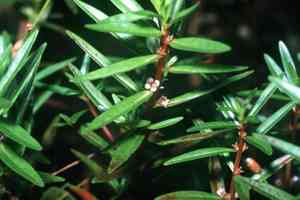
Lowland rotala flourishes when relocated between early and late spring, a timeframe providing ideal conditions for development. It favors bright spots with soil that drains effectively, so confirm these requirements are satisfied for a successful transfer.
What Preparations are Needed Before Transplanting Lowland Rotala?
What is the Ideal Time for Transplanting Lowland Rotala?
The best season for relocating lowland rotala is from early to late spring. This period offers the plant suitable growing conditions, such as mild temperatures and increased daylight. Moving it during this time promotes root establishment and growth, ensuring strong development and a healthier plant throughout its life.
How Much Space Should You Leave Between Lowland Rotala Plants?
When moving lowland rotala, ensure each plant is positioned 12-15 inches (30-38 cm) apart. This spacing allows for adequate air circulation and sufficient room for development, helping to prevent diseases and encourage robust growth.
What is the Best Soil Mix for Lowland Rotala Transplanting?
Prepare the soil for lowland rotala by selecting a well-draining loamy or sandy soil. Incorporate an all-purpose base fertilizer to enrich the soil with vital nutrients, which will support the plantâs growth throughout the active season.
Where Should You Relocate Your Lowland Rotala?
Choose a spot for lowland rotala that receives full sun to partial shade. Ideally, the plant should get at least 6 hours of sunlight daily, which encourages vigorous growth and vibrant coloration.
What Equipments Should You Prepare Before Transplantation Lowland Rotala?
Gardening Gloves
To protect your hands while handling soil and plants.
Trowel
For digging small holes and loosening compacted soil.
Shovel or Spade
To excavate trenches and larger holes for relocation.
Watering Can or Hose
For hydrating plants before and after moving them.
Pruning Shears
To trim any damaged or dead plant parts prior to transplanting.
Plant Labels
To mark the new position of your lowland rotala.
How Do You Remove Lowland Rotala from the Soil?
How Do You Remove Lowland Rotala from the Soil?
From Ground: First, moisten the lowland rotala plant to dampen the soil. Then, dig a wide trench around the plant using a shovel or spade, ensuring the plant's root ball remains intact. Carefully work the spade beneath the root ball to lift the plant from its original spot.From Pot: Water the lowland rotala plant thoroughly to soften the soil. Gently tap the pot's sides to loosen the soil. Hold the plant at its base and tilt the pot sideways, carefully sliding the plant out while supporting the root ball.From Seedling Tray: Water the seedlings well to facilitate removal. Use a trowel or your fingers to gently lift each seedling by its leaves or stem base, taking care not to harm the delicate roots.
Step-by-Step Guide for Transplanting Lowland Rotala
Site Preparation
Prepare the new site by clearing weeds and loosening the soil. Dig a hole that is twice as wide and about as deep as the lowland rotala's root ball.
Plant Removal
Follow the appropriate method to extract your lowland rotala from its initial location.
Planting
Position the lowland rotala in the center of the hole at the same depth it was growing in its original spot. Gently spread the roots in the hole. Backfill with soil, pressing lightly to remove air pockets.
Watering
Water the lowland rotala thoroughly after transplanting to settle the soil and provide initial moisture.
Mulching
Apply a layer of mulch around the base of the lowland rotala to help retain moisture and suppress weed growth.
How Do You Care For Lowland Rotala After Transplanting?
Watering
Keep the soil around the lowland rotala consistently moist, but not waterlogged, for the first few weeks after transplanting to help establish strong roots.
Pruning
Remove any damaged or dead parts of the plant to encourage healthy growth.
Monitoring
Check the lowland rotala regularly for signs of transplant shock, such as wilting or yellowing leaves, and provide extra care as needed.
Mulching
Maintain the mulch layer to ensure moisture retention and temperature regulation for the roots.
Troubleshooting Common Issues with Lowland Rotala Transplantation.
Whatâs the best time to transplant lowland rotala?
Relocate lowland rotala from early spring to late spring for optimal growth.
How much space should I leave between each lowland rotala plant?
Ensure each lowland rotala plant is spaced 12-15 inches (30-38 cm) apart.
Should I water lowland rotala immediately after transplanting?
Yes, water lowland rotala thoroughly right after transplanting to settle the soil and reduce stress.
How to prepare the soil for transplanting lowland rotala?
Use well-drained soil, enriched with compost for healthy growth after transplanting lowland rotala.
What if lowland rotala leaves start turning yellow after transplanting?
Yellow leaves can indicate overwatering or poor drainage; adjust watering and check soil conditions.
How to handle lowland rotala roots during transplant?
Handle lowland rotala roots gently to avoid damage; keep the root ball intact.
Is it normal for lowland rotala to wilt after transplanting?
Yes, slight wilting is normal; keep the soil moist and provide shade if necessary.
What should I do if lowland rotala shows signs of transplant shock?
Reduce sunlight exposure and keep soil consistently moist to help lowland rotala recover from transplant shock.
Why are my lowland rotala plants not thriving after transplanting?
Check soil quality, root damage, and watering practices; ensure proper spacing and lighting conditions.
How deep should lowland rotala be planted during transplanting?
Plant lowland rotala at the same depth as it was originally growing to avoid stress.



