How to Transplant Indian toothcup?
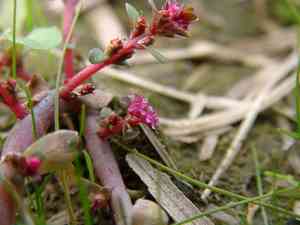
The most favorable period for relocating indian toothcup is as late spring's warmth transitions into the mild temperatures of early summer, promoting robust development. Select a bright location with damp earth to allow indian toothcup's root system to flourish. Careful manipulation during this phase enhances the likelihood of success.
What Preparations are Needed Before Transplanting Indian Toothcup?
What is the Ideal Time for Transplanting Indian Toothcup?
For indian toothcup, the best time to move them to a new location is during the mild conditions of late spring to early summer. Relocating them at this time promotes strong development as the moderate temperatures and extended daylight hours align with indian toothcup's requirements, fostering a robust root system. The temperate climate helps minimize transplant stress for indian toothcup, ensuring better root establishment and a thriving beginning. This period also allows indian toothcup ample time to adjust before the peak heat of summer, leading to a healthier, more resilient plant.
How Much Space Should You Leave Between Indian Toothcup Plants?
Ensure adequate room before planting indian toothcup. An optimal spacing of approximately 0.5 foot (15.24 cm) is recommended. This provides sufficient area for each plant to grow and flourish without competing for resources.
What is the Best Soil Mix for Indian Toothcup Transplanting?
Prior to transplanting indian toothcup, thoroughly prepare the soil. Ideally, it should be loamy or sandy with effective drainage. Incorporating a base fertilizer can also be beneficial. A slow-release fertilizer will provide sustained nourishment to your plants.
Where Should You Relocate Your Indian Toothcup?
Indian toothcup needs ample sunlight for proper growth. Select a sunny spot in your garden where the plant will receive at least 6 hours of direct sunlight daily. However, ensure it's a location where indian toothcup can avoid intense afternoon heat.
What Equipments Should You Prepare Before Transplantation Indian Toothcup?
Gardening Gloves
To protect your hands while handling soil and plants.
Shovel or Spade
For excavating the plant if removing from the ground or preparing the transplant hole.
Trowel
Used to extract the plant from a pot or seedling tray while keeping the root ball intact.
Pruning Shears
To trim any damaged or dead plant parts before relocation.
Watering Can
To hydrate the plant before and after the transplanting process.
Cart or Wheelbarrow
Useful for moving large plants from one spot to another.
How Do You Remove Indian Toothcup from the Soil?
How Do You Remove Indian Toothcup from the Soil?
From Ground: Start by watering the indian toothcup plant to moisten the soil, which makes removal easier. Use a shovel or spade to dig a wide circle around the plant, being careful not to harm the root ball. Gently work the spade beneath the root ball and carefully lift the plant from its original position.From Pot: Water the indian toothcup plant thoroughly in its pot beforehand. Then, place your hand over the soil, with the plant's stem between your fingers, and invert the pot to release the plant. It should slide out smoothly, retaining the original soil around the root ball.From Seedling Tray: Carefully hold the indian toothcup seedling by its leaves, not the stem, and gently push it out of the seedling tray using a trowel or similar tool. Hold by the leaves as they can be replaced, unlike the stem.
Step-by-Step Guide for Transplanting Indian Toothcup
Digging the Hole
Excavate a hole in the ground that is twice as wide and the same depth as the indian toothcup plant's root ball.
Plant Placement
Carefully position the indian toothcup plant within the hole, ensuring it is centered and the top of the root ball is level with the ground surface.
Refilling the Hole
Backfill the hole with the excavated soil, making sure no air pockets remain that could cause root desiccation.
Watering
Thoroughly water the plant, ensuring even distribution around its base.
Mulching
Apply a layer of mulch around the plant to help retain moisture and regulate soil temperature.
How Do You Care For Indian Toothcup After Transplanting?
Inspecting
Regularly check the indian toothcup plant for any indications of transplant shock, such as wilting foliage or discoloration.
Watering
For the initial weeks post-transplant, maintain consistent but moderate soil moisture levels. Avoid both overwatering and allowing the soil to dry out completely.
Pruning
Trim back growth after transplantation to reduce the amount of foliage the plant needs to sustain during its recovery period.
Protection
Shield the plant from harsh weather conditions like intense sunlight or heavy rainfall for the first few days after transplanting. This might involve moving potted plants indoors or to a shaded area, or using a shade cloth for ground-planted specimens.
Troubleshooting Common Issues with Indian Toothcup Transplantation.
What's the optimal time of the year to transplant indian toothcup?
The ideal period to transplant indian toothcup is during the S3-S4 seasons, which means late summer to fall.
How much space should I leave between indian toothcup plants when transplanting?
Allow a distance of 0.5 feet (approximately 15 cm) between each indian toothcup. This provides adequate room for growth.
What should be kept in mind about the planting depth of indian toothcup?
The roots of indian toothcup must be fully covered, but ensure the plant isn't set too deep. Level with the soil surface is perfect.
What's necessary to know about the soil conditions for transplanting indian toothcup?
Indian toothcup prefers soil that is slightly acidic to neutral. Ensure your soil drains well and is enriched with organic matter.
What amount of sunlight does indian toothcup need post-transplant?
Indian toothcup is a sun-loving plant. It requires full sun exposure for optimal development. Keep it where it receives at least 6 hours of sunshine daily.
What care should be taken for indian toothcup right after transplantation?
Water indian toothcup thoroughly immediately after transplant to minimize shock and aid quicker establishment. Avoid direct afternoon sunlight for a few days.
What's the best way to water indian toothcup after transplanting?
Water indian toothcup deeply but infrequently, ensuring you do not over-water. The soil should remain moist, not waterlogged.
How to fertilize indian toothcup post-transplant?
Apply a slow-release granular fertilizer 1-2 weeks after transplant. Always follow package directions, as excessive fertilization can burn and harm indian toothcup.
What can be done to increase the transplant success rate?
Utilize a starter solution containing a transplant fertilizer with a higher phosphorus content than nitrogen to assist root establishment.
How to handle indian toothcup during the transplant process?
Handle indian toothcup gently during transplanting. Avoid bruising the plant and ensure not to damage the roots.



