How to Transplant Climbing rose?
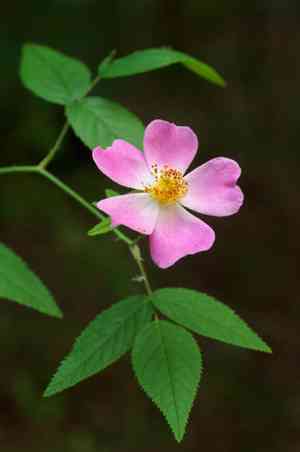
Relocate climbing rose varieties when rejuvenation and warmth align in the early to middle part of spring, facilitating strong root development prior to the intensity of summer. Select a brightly lit, well-ventilated location with good drainage, carefully encouraging the root system to expand into its new environment.
Preparations Required Before Relocating Climbing Rose?
Optimal Period for Relocating Climbing Rose?
The ideal time for moving climbing rose is when winter's grip loosens, specifically between the last frost and spring's full bloom. This timing allows climbing rose to root in the cool, warming soil, providing a strong base before summer's vigorous growth. Relocating climbing rose during this nurturing phase ensures it benefits from moist soil and mild weather, promoting healthy development and reducing transplant shock. By choosing this prime moment, you set climbing rose up for a flourishing future, enhancing your garden with its magnificent flowers.
Required Spacing Between Climbing Rose Plants?
When transplanting climbing rose, allow ample room for each plant. Ideally, position them approximately 6-8 feet (1.8-2.4 meters) apart. This provides sufficient space for growth and minimizes competition for nutrients and sunlight.
Best Soil Blend for Climbing Rose Relocation?
Climbing rose thrives in soil that drains well and is fertile. Ensure the soil is loamy and rich in organic material. To improve soil quality, incorporate a slow-release granular fertilizer before planting. This helps the plant establish quickly and grow robustly.
Optimal Location for Your Climbing Rose?
Select a spot for climbing rose that receives abundant sunlight throughout the day. The plant needs at least six hours of direct sun daily for proper development. Avoid heavily shaded areas, as this could negatively affect its growth and flowering.
Equipment Needed Before Transplanting Climbing Rose?
Gardening Gloves
To safeguard your hands while working with the soil and climbing rose.
Shovel or Spade
For excavating the planting hole for your climbing rose and extracting it from its original spot.
Compost or Organic Matter
To enhance soil health and support climbing rose's growth.
Gardening Trowel
For making minor adjustments to the planting hole's depth and width.
Trellis, Pergola or any other climbing support
As climbing rose is a vining variety of roses, this will offer structural support for the plant to ascend vertically.
How to Extract Climbing Rose from the Ground?
How to Extract Climbing Rose from the Ground?
From Ground: First, hydrate the climbing rose plant to moisten the soil. Next, dig a wide trench around the plant using your shovel or spade, ensuring the plant's root ball remains intact. Carefully slide the spade beneath the root ball to lift the plant from its initial location.From Pot: Water the potted climbing rose plant thoroughly. Wearing gloves, tilt the pot sideways and gently ease the plant out by holding its base, taking care not to harm the roots.From Seedling Tray: Dampen the soil in the seedling tray. Then, using your fingers or a small trowel, carefully separate the seedling from the tray, keeping as much soil around the roots as possible.
Step-by-Step Guide for Relocating Climbing Rose
Site Preparation
Prepare the area where you intend to transplant the climbing rose. Position your climbing support at the chosen planting spot. Then, dig a hole that is twice the width and depth of climbing rose's root ball.
Planting
After removing the climbing rose from its original spot, gently place it into the hole. Backfill with soil and organic compost, ensuring the top of the root ball is level with or slightly above the ground surface.
Support
Guide the climbing rose onto its climbing structure and loosely secure it with a soft tie to prevent plant damage.
Watering
Water thoroughly to ensure good root-to-soil contact and to eliminate any remaining air pockets in the soil.
Post-Transplant Care for Climbing Rose?
Regular Checks
Inspect climbing rose daily for any signs of wilting or stress during the initial weeks. Reduced sun exposure might be necessary until the plant is fully established.
Feeding
After 4-6 weeks, begin feeding climbing rose with a mild, organic rose fertilizer according to the manufacturer's guidelines.
Pruning
Consistent pruning is essential after the flowering season to maintain climbing rose's shape and encourage more blooms.
Pest Control
Regularly check climbing rose for pests like aphids and use environmentally friendly sprays or solutions to eliminate them.
Resolving Common Issues with Climbing Rose Transplantation.
When is the best time to move climbing rose?
The optimal period to transplant climbing rose is from late winter to early spring. This roughly corresponds to between seasons 'S1' and 'S2'.
What is the correct spacing between climbing rose plants during transplanting?
Ideally, climbing rose plants should be positioned approximately 6-8 feet (1.8-2.4 meters) apart. This distance will provide them sufficient room to grow without hindering each other.
How should I prepare the soil for transplanting climbing rose?
Before transplanting, ensure the soil in the new area is loosened. Enriching it with organic matter will boost the plant's growth. Keep the hole 2 feet (0.6 m) deep.
What size should the hole be for transplanting climbing rose?
Dig a hole that is twice as wide and equally deep as the root ball. This offers the best chance for easy root establishment and vigorous growth.
How do I water climbing rose after transplanting?
Immediately after transplanting climbing rose, water it thoroughly. This will help settle the soil. Continue to water consistently, but be careful not to overwater and cause root rot.
Does climbing rose need special care after transplantation?
Climbing rose may require regular pruning to maintain its shape, prevent excessive growth, and ensure good health. Remove all dead, damaged, or disease-prone branches to avoid disease transmission.
What if the transplanted climbing rose isn't blooming?
Ensure you're not over-fertilizing, as this can lead to abundant foliage but few flowers. Also, check if the plant is in an area with adequate sunlight, which climbing rose needs to bloom.
What should I do if climbing rose leaves turn yellow after transplanting?
Yellowing leaves could indicate water stress, either too much or too little. Adjust your watering schedule. If the issue persists, consider a soil test to check nutrient levels.
How should I handle climbing rose roots during transplanting?
Handle the roots carefully during transplanting. Try to keep the root ball intact. For root-bound plants, gently untangle the roots before planting in the hole.
What type of soil is best for transplanting climbing rose?
Climbing rose prefers well-draining soil rich in organic matter. A balanced rose garden mix is typically a good choice. It should have a slightly acidic to neutral pH.



