How to Transplant Globe yellowcress?
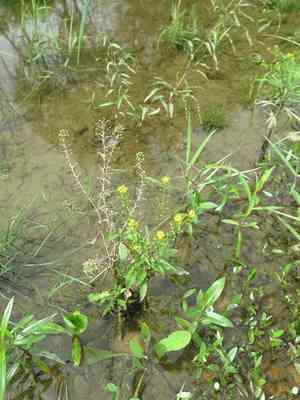
Globe yellowcress flourishes when relocated from the beginning to the middle of spring, benefiting from mild temperatures and adequate soil hydration. This plant favors areas with full sun to partial shade and soil that drains effectively. Verify that the new environment replicates the initial cultivation conditions for peak vitality.
What Preparations are Needed Before Relocating Globe Yellowcress?
What is the Ideal Time for Relocating Globe Yellowcress?
The best period for moving globe yellowcress is from early to mid-spring. Shifting globe yellowcress during this timeframe benefits from cooler temperatures and increased soil moisture, which aids root development and lessens transplant shock. Early spring conditions also allow globe yellowcress to establish before the more demanding summer months.
How Much Space Should You Leave Between Globe Yellowcress Plants?
When relocating globe yellowcress, aim to position the plants approximately 12-18 inches (30-45 cm) apart. This provides ample room for growth and ensures good air circulation, which contributes to plant health.
What is the Best Soil Mix for Globe Yellowcress Relocation?
Prepare well-draining soil rich in organic matter for globe yellowcress. Incorporating compost or a balanced fertilizer before planting enriches the soil and supplies essential nutrients for growth. Ensure the soil is slightly acidic to neutral (pH 6.0-7.0).
Where Should You Relocate Your Globe Yellowcress?
Select a sunny to partially shaded location for moving globe yellowcress. This plant thrives in spots with full sun to partial shade, receiving at least 4-6 hours of daily sunlight. Ensure the chosen site is sheltered from strong winds.
What Equipment Should You Prepare Before Relocating Globe Yellowcress?
Gardening Gloves
To safeguard your hands while handling soil and plants.
Shovel or Spade
To excavate the plant from its original spot and to prepare the new planting hole.
Trowel
For smaller, more delicate digging tasks.
Watering Can or Hose
To hydrate the plant before and after relocation.
Wheelbarrow
To move the plant and soil, especially if it's a large specimen.
Stakes and Ties (optional)
To provide support for the plant once relocated if necessary.
How Do You Extract Globe Yellowcress from the Soil?
How Do You Extract Globe Yellowcress from the Soil?
From Ground: First, water the globe yellowcress plant to moisten the soil. Then, dig a wide trench around the plant using a shovel or spade, ensuring the plant's root ball remains intact. Carefully work the spade under the root ball to lift the plant from its original location.From Pot: Water the globe yellowcress plant to loosen the soil. Gently tap the sides of the pot to release the plant. Hold the plant at the base and carefully pull it out, ensuring the root ball stays intact.From Seedling Tray: Water the seedlings thoroughly. Use a trowel or your fingers to gently lift the seedlings from the tray, taking care to keep as much of the root system intact as possible.
Step-by-Step Guide for Relocating Globe Yellowcress
Prepare New Location
Dig a hole that is twice as wide and just as deep as the root ball of the globe yellowcress plant.
Add Compost
If needed, amend the soil in the new location with compost to ensure it's nutritious and well-draining.
Transfer Plant
Place the globe yellowcress plant in the hole, making sure it is upright and that the top of the root ball is level with the surrounding ground.
Backfill with Soil
Fill in the hole with the original soil, gently packing it down around the roots to eliminate air pockets.
Water Thoroughly
Water the newly relocated globe yellowcress plant thoroughly to help settle the soil around the plant and hydrate the roots.
Mulch (optional)
Apply a layer of mulch around the base of the plant to help retain moisture and suppress weeds.
How Do You Care For Globe Yellowcress After Relocation?
Watering
Keep the soil around the globe yellowcress consistently moist, but not soggy, for the first few weeks after relocation to help establish strong roots.
Monitoring
Regularly check the globe yellowcress for signs of stress such as wilting or yellowing leaves, and adjust care as needed.
Protection
If the weather is particularly harsh (too hot or cold), consider providing some temporary shade or wind protection for the plant.
Support
For larger globe yellowcress plants, use stakes or ties to support them until they re-establish their root systems.
Troubleshooting Common Issues with Globe Yellowcress Relocation.
What is the best season to relocate globe yellowcress?
The optimal relocation time is early to mid-spring, ensuring healthy growth.
How should I space globe yellowcress plants during relocation?
Space each globe yellowcress plant 12-18 inches (30-45 cm) apart to promote ample airflow and growth.
How can I prepare the soil for relocating globe yellowcress?
Enrich the soil with organic compost to enhance fertility and ensure proper drainage.
What depth should I plant globe yellowcress transplants?
Plant globe yellowcress at the same depth as its current pot to avoid stressing the roots.
How often should I water globe yellowcress after relocating?
Regularly water globe yellowcress to keep the soil consistently moist, but avoid waterlogging the roots.
Should I provide any shade for globe yellowcress after relocating?
Temporary shade can help reduce relocation shock, especially during particularly sunny days.
How do I avoid relocation shock in globe yellowcress?
Gradually acclimate globe yellowcress to outdoor conditions and ensure proper watering post-relocation.
Can I fertilize globe yellowcress immediately after relocating?
Wait a few weeks before fertilizing to allow globe yellowcress to settle and establish its roots.
What type of mulch is best for globe yellowcress after relocating?
Use organic mulch like straw or wood chips to retain moisture and suppress weeds.
Should I prune globe yellowcress during relocating?
Light pruning can help reduce foliage stress, but avoid heavy trimming during relocation.



