How to Transplant Nippon lily?
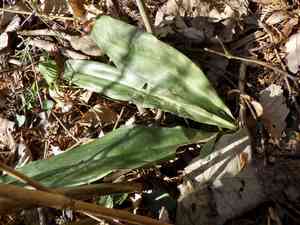
It is most favorable to transplant nippon lily during the mild weather of late spring through early summer, a period of vigorous development. Select a shaded location featuring soil that drains effectively. Should you divide the plant, verify that every segment possesses a part of the root system.
What Preparations are Needed Before Transplanting Nippon Lily?
What is the Ideal Time for Transplanting Nippon Lily?
The perfect period for relocating nippon lily is during mid-spring. This season provides mild temperatures and stable conditions, which are ideal for root development. Moving nippon lily at this time allows it sufficient opportunity to adjust before summer's heat, promoting vigorous growth. Utilize this window to benefit from spring's gentle rain and softer sun, creating an optimal environment for nippon lily's smooth transition.
How Much Space Should You Leave Between Nippon Lily Plants?
Welcome to the world of gardening! Let's prepare to plant your nippon lily. Ideally, you should space out each plant about 1-2 feet (30-60 cm) apart. This will give your plants plenty of room to grow and flourish!
What is the Best Soil Mix for Nippon Lily Transplanting?
For your nippon lily, well-draining soil is essential. You can enhance drainage by incorporating compost or potting mix into the soil. A slow-release granular fertilizer will be very beneficial. It's an easy and straightforward way to supply vital nutrients!
Where Should You Relocate Your Nippon Lily?
Selecting the correct spot is important. Your nippon lily requires a location where it can receive partial to full shade. It prefers not to be exposed to intense sunlight all day, but rather a thoughtful blend of shade and sun. Happy gardening!
What Equipments Should You Prepare Before Transplantation Nippon Lily?
Gardening Gloves
To safeguard your hands while handling the plant and soil.
Trowel
For excavating the plant from its original spot or container and for digging the hole in the new ground.
Watering Can
To hydrate the plant before and after its relocation.
Spade
If the plant is larger or established in the ground, a spade might be necessary for its removal.
Garden Pruner or Scissors
To trim any damaged roots or foliage.
Measuring Tape
To gauge the dimensions of the hole for your nippon lily.
Burlap Sack or Large Plastic Bag
To wrap around the root ball during transfer to minimize harm.
How Do You Remove Nippon Lily from the Soil?
How Do You Remove Nippon Lily from the Soil?
From Ground: Hydrate the nippon lily plant to moisten the soil, which will facilitate its removal from the ground without harming the roots. Using a trowel or spade, dig a wide circle around the plant, being careful to avoid damaging the roots. Next, gently work the spade beneath the root ball and carefully lift the plant. If the root ball is large or heavy, wrap it in a burlap sack or large plastic bag to prevent damage during the transplant.From Pot: Water your nippon lily in its pot before beginning the process. Turn the pot sideways, hold the plant gently by its base, and tap the bottom of the plant container until the plant slides out. Be sure not to excessively pull or strain the plant while doing this. Use a garden pruner to trim any overly long or damaged roots.From Seedling Tray: Water the soil in the tray to loosen it, then gently separate the nippon lily seedling you wish to transplant. Handle the seedling by its leaves, if possible, and not by its stem, as it is delicate and can be easily damaged. Be careful to avoid damaging any roots in the process.
Step-by-Step Guide for Transplanting Nippon Lily
Preparation
Prepare your new planting site by digging a hole that is twice the width and the same depth as the root ball of your nippon lily.
Insertion
Carefully place your nippon lily plant into the hole. The top of the root ball should be level with the surface of the ground.
Refilling
Backfill the hole with the original soil, gently firming it around the root ball of your nippon lily.
Watering
Water your nippon lily after transplanting, add more soil to the planting hole if the water washes any away.
Mulching
Apply a layer of organic mulch around the nippon lily to retain moisture, but avoid piling mulch against the stem of the plant to prevent rot.
How Do You Care For Nippon Lily After Transplanting?
Watering
Ensure that the soil around the nippon lily is kept moist but not waterlogged. Consistent watering is especially important during the initial 2-3 weeks following transplantation.
Checking
Regularly inspect the nippon lily for signs of stress, such as wilting or yellowing leaves. If these symptoms appear, verify that the plant's requirements for water, temperature, and care are being met.
Inspecting
Monitor the nippon lily for any pests or diseases. Examine both sides of the leaves and stem to ensure they are healthy. Prompt treatment is crucial to prevent the spread of any ailment.
Troubleshooting Common Issues with Nippon Lily Transplantation.
What is the ideal season to transplant nippon lily?
The optimal time to move nippon lily to another spot is from late spring (S2) to early fall (S4). Transplanting during these seasons allows ample time for root establishment.
How far apart should I plant nippon lily?
Ensure you plant nippon lily 1-2 feet (30-60 cm) apart. This gives each plant enough room to grow and develop healthily.
How deep should I dig the hole for nippon lily transplant?
Aim for a hole that's twice as wide and the same depth as the plant's root ball. This gives the roots space to spread and establishes a sturdy base for nippon lily.
What type of soil is best for transplanting nippon lily?
Use well-draining soil rich in organic matter. If your soil is heavy clay or overly sandy, amend it with compost to improve its texture and nutrient content for nippon lily.
How should I water nippon lily after transplanting?
Initially, water nippon lily thoroughly and keep it consistently moist until you notice new growth. Later, you can reduce watering to match the plant's normal watering needs.
How can I better ensure nippon lily survival during transplant?
Pre-water the plant and its new hole. Handling the roots gently, and maintaining as much of the root structure as possible can enhance the survival rate of nippon lily.
What should I do if nippon lily shows signs of wilting after transplant?
Don't panic! It's normal for plants to show stress after transplant. Keep it properly watered and avoid full sun exposure until the plant recovers.
How do I protect nippon lily from shock during transplant?
To reduce transplant shock, avoid disturbing the root too much and ensure you're transplanting during the recommended seasons which are late spring to early fall.
What care should nippon lily receive post-transplant?
Besides frequent watering, nippon lily may need a boost of plant food to help establish its roots. Look for a balanced, slow-release fertilizer formulated for perennials.
Are there any warning signs to look for after transplanting nippon lily?
Yes, signs such as wilting, yellowing or falling leaves, or a lack of growth can indicate transplant shock or other issues. Adjust care as needed if any of these signs persist.



