How to Transplant Black locust?
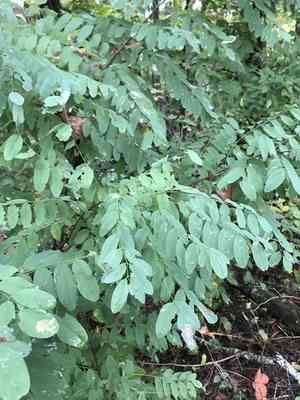
The ideal period for relocating black locust is from late spring through mid-summer, since the elevated temperatures encourage root development. Select a bright, adequately drained spot to cultivate a thriving specimen. Ensure comprehensive watering post-transplant, to aid its establishment in the new environment.
What Preparations are Needed Before Transplanting Black Locust?
What is the Ideal Time for Transplanting Black Locust?
The optimal period to relocate black locust is from late spring to mid-summer, allowing the plant to develop robust roots before colder weather. This timing fosters vigorous growth and ensures a successful transfer.
How Much Space Should You Leave Between Black Locust Plants?
When moving black locust, aim for a separation of approximately 30-50 feet (9-15 meters). This will guarantee each plant has ample room to expand and flourish.
What is the Best Soil Mix for Black Locust Transplanting?
For black locust, prepare the ground with well-draining, loamy or sandy soil. Incorporate a foundational fertilizer like compost or aged manure to enrich the soil with nutrients.
Where Should You Relocate Your Black Locust?
Select a spot that receives full sunlight for black locust, as it thrives in bright conditions. Steer clear of areas with excessive shade or poor drainage for optimal outcomes.
What Equipments Should You Prepare Before Transplantation Black Locust?
Gardening Gloves
To safeguard your hands while handling the soil and black locust plant.
Shovel or Spade
To excavate holes for relocation and extract the plant from its initial spot.
Trowel
For digging smaller holes and precisely adjusting planting depth.
Pruning Shears
To trim any compromised roots or branches during the relocation process.
Garden Fork
For loosening and aerating the soil within the transplant hole.
Watering Can or Hose
To hydrate the black locust plant before and after its move.
Stakes and Ties
To offer support for the newly relocated black locust if necessary.
How Do You Remove Black Locust from the Soil?
How Do You Remove Black Locust from the Soil?
- From Ground:First, water the black locust plant to moisten the soil. Next, dig a wide trench around the plant using a shovel or spade, ensuring the plant's root ball remains intact. Carefully work the spade beneath the root ball to lift the black locust from its original position.- From Pot:Water the black locust plant in its container to dampen the soil. Gently tap the sides of the pot to loosen the root ball, then invert the pot to slide the plant out, supporting the base of the stem with your hand. Avoid pulling the plant out by the stem, as this can harm the roots.- From Seedling Tray:Use a trowel or your fingers to carefully loosen the soil around the black locust seedling, taking care not to damage the root system. Gently lift the seedling from the tray, supporting the roots and stem.
Step-by-Step Guide for Transplanting Black Locust
Hole Preparation
Excavate a hole that is twice as wide and as deep as the black locust plant's root ball. Use a garden fork to loosen the soil at the bottom of the hole, enabling roots to penetrate the soil more easily.
Root Inspection
Examine the roots of the black locust plant and trim any dead, damaged, or circling roots with pruning shears.
Placing the Plant
Gently position the black locust plant in the hole, ensuring the top of the root ball is level with the surrounding soil. Spread the roots out evenly within the hole.
Filling the Hole
Carefully backfill the hole with soil, gently firming the soil as you go, leaving no air pockets around the roots.
Watering
Water the black locust plant immediately after transplanting, using a watering can or hose to moisten the soil and help the roots settle.
Support
If required, use stakes and ties to provide support for the newly transplanted black locust, ensuring it can grow straight and strong.
How Do You Care For Black Locust After Transplanting?
Monitoring
Keep a close watch on the black locust plant for indications of stress or damage after transplanting, such as wilting, discolored leaves, or pests. Remove any compromised foliage as needed.
Watering
Keep the soil around the black locust consistently moist, but not waterlogged, for the initial few weeks after transplanting to aid in establishing strong roots. Gradually decrease watering frequency as the plant becomes settled in its new location.
Mulching
Apply a layer of organic mulch around the base of the black locust plant to help retain moisture and regulate soil temperature.
Pruning
Prune black locust as necessary to maintain its form and encourage healthy growth.
Troubleshooting Common Issues with Black Locust Transplantation.
What is the ideal timing for transplanting black locust?
Relocate black locust during late spring to mid-summer for optimal growth and establishment.
How much space should I allow between each black locust?
Ensure a spacing of 30-50 feet (9-15 meters) between each black locust for proper growth and sunlight access.
What is the best soil type for transplanting black locust?
Black locust prefers well-draining, loamy soil with a pH range from slightly acidic to slightly alkaline.
How deep should I dig the hole for transplanting black locust?
Dig a hole twice the width of the root ball and as deep, ensuring the top of the root ball is level with the ground.
What type of sunlight exposure is ideal for black locust after transplanting?
Black locust grows best in full sun, with at least 6 hours of direct sunlight per day.
How often should I water black locust after transplanting?
Water black locust deeply after transplanting, then provide consistent moisture until established. Avoid overwatering.
How can I maintain proper root growth for black locust?
Loosen the soil around the planting hole and ensure proper spacing to promote healthy root growth.
How should I prepare black locust for transplanting?
Water black locust thoroughly before transplanting, trim any damaged roots, and carefully remove it from its container.
Do I need to stake black locust after transplanting?
Staking is optional, but it can provide additional support for young black locust trees as they establish.
What type of fertilizer should I use for transplanting black locust?
An all-purpose, slow-release fertilizer applied after transplanting can promote healthy growth in black locust.



