How to Transplant Pigeonberry?
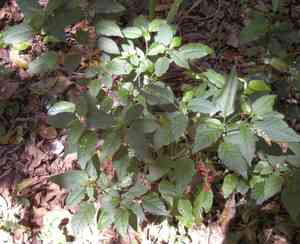
Welcome the spring equinox with pigeonberry, as this period of rejuvenation provides the mild weather and ideal ground conditions that pigeonberry flourishes in. Make sure to position pigeonberry in a sunny, adequately draining spot, offering support as it adjusts to its new environment.
What Preparations are Needed Before Transplanting Pigeonberry?
What is the Ideal Time for Transplanting Pigeonberry?
The optimal period for relocating pigeonberry is during the spring months. This timing encourages strong root development prior to summer heat, boosting the plant's resilience and promoting a productive growing season ahead.
How Much Space Should You Leave Between Pigeonberry Plants?
Initially, space each pigeonberry approximately 1-2 feet (30.5-61 cm) apart. This provides ample room for root expansion and comfortable growth without overcrowding.
What is the Best Soil Mix for Pigeonberry Transplanting?
Soil preparation for pigeonberry is vital. A well-draining soil enriched with organic compost is most effective. Additionally, incorporating a general-purpose, slow-release fertilizer during soil preparation is beneficial.
Where Should You Relocate Your Pigeonberry?
Ensure your pigeonberry is placed in a location that receives abundant sunlight, yet also offers some partial shade. This combination will allow your pigeonberry to flourish in its new environment. Happy gardening!
What Equipments Should You Prepare Before Transplantation Pigeonberry?
Gardening Gloves
To safeguard your hands while handling soil and pigeonberry.
Shovel or Spade
To assist with excavating the plant and preparing the new planting site.
Trowel
For more precise digging tasks, particularly useful for smaller plants.
Pruning Shears
To trim any damaged roots or stems during the process.
Watering Can or Hose
Required to hydrate the plant both before and after transplanting.
Mulch
To help retain moisture around your newly transplanted pigeonberry and suppress weed growth.
Compost
To improve soil fertility and provide your transplanted pigeonberry with a nutrient boost.
Wheelbarrow
To move the plant and its soil from one spot to another if the plant is large.
How Do You Remove Pigeonberry from the Soil?
How Do You Remove Pigeonberry from the Soil?
From Ground: To extract your pigeonberry from the ground, first water the plant to moisten the soil. This facilitates digging and minimizes stress on the plant's roots. Using your shovel or spade, carefully dig around the plant, taking care not to harm the root ball. Once a trench is formed around the plant, reach beneath the root ball with your spade and gently lift the plant from the hole. Trim any damaged roots with your pruning shears.From Pot: If your pigeonberry is in a pot, begin by watering it thoroughly. Then, gently tilt the pot sideways and tap it to loosen the soil and roots. If the plant doesn't easily slide out, you can run a trowel along the inner edge to free it. Be cautious not to damage the root ball as you remove the plant.From Seedling Tray: When removing pigeonberry from a seedling tray, first water the tray well. Then, gently loosen the soil around each seedling by pushing up from the bottom of the tray. Lift each seedling by its leaves, not the stem, and be careful not to harm the root system.
Step-by-Step Guide for Transplanting Pigeonberry
Preparation
Select the appropriate time. Transplanting is best performed on an overcast day or late in the afternoon to avoid direct sunlight. Ensure the pigeonberry is well-hydrated.
Digging
Using your shovel or spade, excavate a hole in the newly prepared location. The hole should be twice the width of the root ball and of equal depth.
Placing the Plant
Carefully position the pigeonberry in the hole. The top of the root ball should be level with the ground surface. Adjust the soil beneath the root ball if necessary.
Backfilling
Refill the hole with the excavated soil, gently pressing it around the base of the pigeonberry to stabilize it.
Watering
Thoroughly water the pigeonberry immediately after planting to settle the soil and eliminate any air pockets.
Mulching
Apply a thin layer of mulch around the pigeonberry, leaving a small space around the stem to prevent disease.
How Do You Care For Pigeonberry After Transplanting?
Watering Frequency
Following the initial watering, maintain a consistent irrigation schedule. This might involve watering every few days or once a week, depending on the pigeonberry's requirements and the weather conditions.
Pruning
Remove any yellow or withered leaves to redirect the pigeonberry's energy towards new growth. Some leaf wilting after transplanting is normal, but if the entire plant begins to wilt, it may indicate an issue.
Mulch Monitoring
Regularly inspect the mulch to ensure it is effectively conserving moisture and controlling weeds. Replenish the mulch layer as needed.
Pest Monitoring
Keep an eye out for pests that might be drawn to the stressed pigeonberry. If any are observed, identify them and seek advice on managing them.
Patience
Remember, it takes time for a transplanted pigeonberry to adapt to a new location and begin thriving. Be patient and allow your plant the necessary time to adjust.
Troubleshooting Common Issues with Pigeonberry Transplantation.
When's the best season to transplant pigeonberry?
Pigeonberry should ideally be transplanted from early spring until the beginning of summer (S1-S3 period). This helps it adapt to the new environment while the weather remains mild.
How much space does pigeonberry need when transplanting?
For pigeonberry to flourish, you should space your plants approximately 1-2 feet (30-60 cm) apart. Proper spacing ensures adequate air circulation and reduces the likelihood of disease spread.
What's the best method for transplanting pigeonberry?
The optimal approach is to dig a hole twice the size of the pigeonberry's root ball, place your plant within it, and then backfill with soil, gently firming it around the roots.
Should I water pigeonberry immediately after transplanting?
Yes, it is essential to water pigeonberry thoroughly after transplanting to help it settle into its new home and encourage root establishment. However, avoid overwatering.
How deep should the hole be when transplanting pigeonberry?
When transplanting pigeonberry, ensure the hole is deep enough to fully cover the plant's roots, typically about 6-10 inches (15-25 cm).
What's the ideal soil type for transplanting pigeonberry?
Pigeonberry thrives best in well-draining soil. It is important to prepare the soil by incorporating organic matter for nutrient enrichment during the transplanting process.
How does the transplanting process affect pigeonberry's growth rate?
If transplanted correctly during the ideal season and provided with proper care, pigeonberry's growth rate should not be negatively impacted. It should adapt and maintain its normal growth.
What kind of aftercare does pigeonberry need post-transplant?
Post-transplant, ensure pigeonberry is watered regularly to maintain soil moisture. Closely monitor the plant for signs of stress, such as wilting or yellow leaves, and respond accordingly.
How much sun does pigeonberry need after transplanting?
Pigeonberry prefers conditions ranging from partial shade to full sun. After transplanting, position your plant where it will receive these conditions for optimal growth.
What should I do if pigeonberry shows signs of distress post-transplant?
If pigeonberry exhibits signs of distress, such as wilting or discoloration, assess its conditions. Ensure it is receiving adequate water, sunlight, and nutrients. If problems persist, consider pest or disease issues.



