How to Transplant Castor bean?
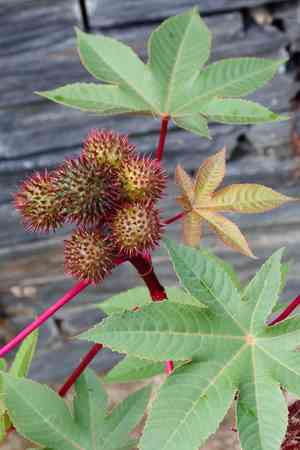
The optimal period for relocating castor bean plants is from late winter through early spring, since elevated temperatures stimulate more rapid development. Castor bean flourishes in bright, adequately drained environments. Exercise caution during transplantation, as any disruption to its root system may impede its progress. Savor your flourishing castor bean display!
What Preparations are Needed Before Transplanting Castor Bean?
What is the Ideal Time for Transplanting Castor Bean?
The optimal period to move castor bean from indoors to outdoors is between late winter and early spring. This transition during the initial signs of spring rain enhances castor bean development, as post-winter temperatures are more favorable for root establishment. Additionally, it allows ample time for acclimatization before the summer heat intensifies. Such careful planning ensures a stronger, more productive castor bean, leading to an impressive harvest.
How Much Space Should You Leave Between Castor Bean Plants?
When relocating castor bean, ensure they are spaced approximately 3-5 feet (91-152 cm) apart. This provides sufficient room for growth and flourishing without competition for nutrients and space.
What is the Best Soil Mix for Castor Bean Transplanting?
For castor bean, it's best to use soil that drains well and has a slightly acidic to neutral pH (6.0-7.0). Incorporate an all-purpose, slow-release granular fertilizer to prepare the soil and encourage healthy development.
Where Should You Relocate Your Castor Bean?
Select a sunny location for your castor bean, as they thrive in full sun exposure. Ensure it receives at least 6-8 hours of direct sunlight daily. This will help them grow robustly and produce beautiful flowers!
What Equipments Should You Prepare Before Transplantation Castor Bean?
Gardening Gloves
To safeguard your hands while handling soil and plants.
Shovel or Spade
To excavate holes in the ground for relocation and to extract the plant from its initial spot.
Trowel
For scooping earth and creating a planting cavity in the ground.
Garden Fork
For loosening soil around the plant prior to removal.
Watering Can or Hose
To hydrate the castor bean plant following its relocation.
Organic Compost or Well-rotted Manure
To enrich the planting hole with nutrients before transplanting.
Mulch
For safeguarding the newly relocated castor bean and preserving soil moisture.
How Do You Remove Castor Bean from the Soil?
How Do You Remove Castor Bean from the Soil?
From Ground: First, moisten the castor bean plant to dampen the soil. Then, excavate a wide trench around the plant using a shovel or spade, ensuring the plant's root ball remains intact. Carefully work the spade beneath the root ball to lift the plant from its original position.From Pot: Gently extract the castor bean plant from its container by laying it on its side and carefully pressing on the pot walls to loosen the soil. Once loosened, carefully slide the plant out, keeping the root ball undisturbed.From Seedling Tray: Gently grasp the castor bean seedling by its leaves and use a trowel or fork to carefully lift the root ball from the tray. Avoid holding the stem, as this can cause damage.
Step-by-Step Guide for Transplanting Castor Bean
Site Selection
Choose a spot with ample room for the mature size of the castor bean plant and appropriate drainage.
Prepare Planting Hole
Dig a hole approximately twice the width and depth of the castor bean plant's root ball using the shovel or spade. Enrich the bottom of the hole with organic compost or well-rotted manure for nutrients.
Ease Plant Into Hole
Carefully place the castor bean plant in the prepared hole, ensuring the root ball is level with the ground surface. If needed, add or remove soil to ensure the plant is at the correct depth.
Backfill Soil
Refill the hole with the excavated earth, gently firming it down around the root ball with your hands to eliminate any air pockets.
Water Thoroughly
Water the relocated castor bean plant generously to help settle the soil around the root ball and establish contact between the roots and the surrounding soil.
Mulch
Apply a layer of mulch around the base of the castor bean plant, leaving a small gap around the stem to prevent rot issues.
How Do You Care For Castor Bean After Transplanting?
Watering
Keep the soil around the castor bean consistently moist, but not waterlogged, for the initial few weeks after relocation to help establish strong roots.
Monitoring
Observe the castor bean plant's health closely, looking for indications of transplant shock or stress, such as wilting, yellowing, or dropped leaves. Take prompt action to address any problems.
Pruning
Remove any damaged or diseased leaves and branches from the castor bean plant after transplanting to encourage new growth.
Fertilizing
Provide the castor bean plant with a balanced fertilizer approximately four weeks after transplanting to promote healthy growth.
Staking
If the castor bean plant requires support as it grows, install stakes or a trellis shortly after transplanting to avoid damaging the roots later on.
Troubleshooting Common Issues with Castor Bean Transplantation.
When's the ideal period to transplant castor bean?
The optimal timeframe to relocate castor bean is from the beginning of spring to mid-spring.
What spacing should I adhere to when transplanting castor bean?
Proper spacing is crucial for castor bean growth. Maintain a distance of about 3-5 feet (90-150 cm) between each plant.
What if the castor bean wilts after transplantation?
Castor bean's wilting can indicate transplant shock. Keep the soil consistently moist and limit exposure to intense sunlight.
How deep should I plant castor bean during transplantation?
Castor bean should be planted at the same depth as the plant’s original container. This can prevent unnecessary root stress.
What if the color of castor bean leaves changes after transplantation?
Color alteration can signify a nutrient deficiency or shock. Ensure castor bean receives adequate nutrients and consider using a suitable plant food or fertilizer.
Why are my transplanted castor bean plants not growing?
Insufficient sunlight, poor drainage, or nutrient-deficient soil could be reasons. Ensure plenty of sunlight, well-draining soil, and regular watering.
Should I prune castor bean after transplantation?
Pruning is not necessary immediately after transplantation. Minimize stress by allowing castor bean to adapt to its new environment.
How often should I water castor bean after transplantation?
Water castor bean thoroughly right after transplanting and keep the soil persistently moist for a couple of weeks until it establishes.
Why is my castor bean dying even after careful transplantation?
The cause could be root rot, fungal infection or pest attack. Inspect for symptoms and treat as per specific issue.
Do I need to add fertilizer when transplanting castor bean?
It's not required immediately, but to promote growth, you could start adding a balanced fertilizer about two weeks after transplantation.



