How to Transplant Tropical Mexican clover?
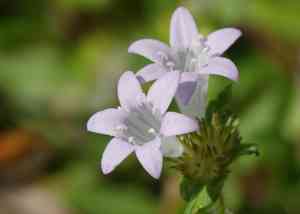
The ideal window for relocating tropical Mexican clover spans from the warmth of late spring through mid-summer. This timeframe ensures peak development, as the plant's preference for warm conditions perfectly matches these mild months. Choose a brightly lit spot with soil that drains effectively to guarantee robust growth and vitality. Bear in mind, careful handling during transplantation facilitates a seamless adjustment.
What Preparations are Needed Before Transplanting Tropical Mexican Clover?
What is the Ideal Time for Transplanting Tropical Mexican Clover?
The optimal period for relocating tropical Mexican clover spans from late spring through mid-summer. During this time, mild temperatures and extended daylight hours create perfect conditions for tropical Mexican clover to develop strong root systems and flourish. The warmth encourages growth, while increased light supports photosynthesis, boosting the plant's health. This timely transition leverages the season's vigor, giving tropical Mexican clover a headstart in its new location, ensuring robust development and abundant blooms. With proper timing, tropical Mexican clover is more likely to reach its full ornamental potential, transforming your garden into a lush sanctuary.
How Much Space Should You Leave Between Tropical Mexican Clover Plants?
Greetings! Before planting your tropical Mexican clover, ensure they have ample room to thrive. Each tropical Mexican clover should be spaced approximately 6-12 inches (15-30 cm) apart. This spacing allows individual plants sufficient area to grow without competing for nutrients or sunlight.
What is the Best Soil Mix for Tropical Mexican Clover Transplanting?
Let's prepare the perfect bed for your tropical Mexican clover! Aim for well-draining soil enriched with organic matter. Prior to planting, incorporate a balanced, slow-release fertilizer to give your tropical Mexican clover a healthy start. Properly prepared soil leads to happier plants!
Where Should You Relocate Your Tropical Mexican Clover?
Your tropical Mexican clover thrives in sunlight! Select a garden spot that receives abundant light, ideally full sun for optimal growth. This will ensure your tropical Mexican clover obtains the energy it needs to develop into a beautiful and vibrant plant.
What Equipments Should You Prepare Before Transplantation Tropical Mexican Clover?
Gardening Gloves
To safeguard your hands while handling soil and plants.
Shovel or Spade
For digging and moving the tropical Mexican clover.
Watering Can or Hose
To hydrate the tropical Mexican clover before and after its relocation.
Garden Trowel
For managing smaller plants or refining the planting hole.
Measuring Tape
To ensure correct spacing between plants.
Wheelbarrow or Plant Dolly
For moving the tropical Mexican clover if necessary.
Pruning Shears
To trim any damaged roots or foliage.
How Do You Remove Tropical Mexican Clover from the Soil?
How Do You Remove Tropical Mexican Clover from the Soil?
From Ground: First, moisten the tropical Mexican clover plant's soil. Then, excavate a wide trench around the plant using a shovel or spade, ensuring the plant's root ball remains intact. Carefully work the spade beneath the root ball to lift the plant from its original spot.From Pot: Thoroughly water the tropical Mexican clover and gently tap the pot's sides to loosen the soil. Invert the pot and carefully slide the plant out, supporting the root ball to prevent damage.From Seedling Tray: Water the seedlings well. Use a garden trowel or your fingers to gently extract the tropical Mexican clover from its cell, striving to keep the soil around the roots as undisturbed as possible.
Step-by-Step Guide for Transplanting Tropical Mexican Clover
Preparing New Location
Identify the optimal area in your garden for your tropical Mexican clover and dig a hole twice the width of the root ball and of equal depth.
Root Ball Inspection
Examine the root ball of your tropical Mexican clover, gently trimming any damaged or excessively long roots with pruning shears.
Placing the Plant
Carefully position the tropical Mexican clover in the prepared hole. The top of the root ball should be level with the surrounding ground.
Refilling the Hole
Backfill the hole with soil around the root ball, pressing down gently to eliminate air pockets.
Watering Thoroughly
Water the tropical Mexican clover deeply immediately after transplanting to help settle the soil and provide moisture to the roots.
Mulching
Apply a thin layer of mulch around the base of your tropical Mexican clover to help retain moisture and regulate soil temperature.
How Do You Care For Tropical Mexican Clover After Transplanting?
Initial Fertilizing
Allow one week before applying a balanced, slow-release fertilizer to prevent root burn.
Routine Watering
Water your tropical Mexican clover regularly, ensuring the soil stays moist but not waterlogged, as this promotes healthy root development.
Regular Monitoring
Observe your tropical Mexican clover for signs of stress, such as wilting or discolored leaves, and adjust care as needed.
Support Structures
If the plant is tall or in a windy area, gently stake it to prevent breakage.
Weed Control
Keep weeds at bay as they can compete with your tropical Mexican clover for nutrients and water.
Troubleshooting Common Issues with Tropical Mexican Clover Transplantation.
What's the best time to transplant tropical Mexican clover for successful growth?
Transplant tropical Mexican clover in late spring to early summer for a warm start.
How far apart should I space tropical Mexican clover when transplanting?
Space tropical Mexican clover approximately 6-12 inches (15-30 cm) apart to ensure adequate room for growth.
Why is my tropical Mexican clover not thriving after transplanting?
Check for common issues such as soil type, watering habits, or root damage during transplantation.
Can tropical Mexican clover be transplanted in a pot?
Absolutely! Ensure the pot has good drainage and is large enough to accommodate growth.
Should I water tropical Mexican clover immediately after transplanting?
Yes, water gently but thoroughly to help the roots settle and recover from stress.
Why are the leaves of tropical Mexican clover wilting post-transplant?
Wilting may be due to transplant shock. Maintain consistent moisture and avoid direct sunlight for a few days.
How deep should I plant tropical Mexican clover when transplanting?
Plant at the same depth it was previously growing to avoid burying the crown too deeply.
Is it necessary to add fertilizer when transplanting tropical Mexican clover?
Wait a few weeks before fertilizing to prevent root burn. Allow tropical Mexican clover to establish first.
What should I do if tropical Mexican clover shows signs of transplant shock?
Provide shade, consistent moisture, and avoid fertilizers until tropical Mexican clover shows signs of new growth.
How can I prepare tropical Mexican clover's new spot for transplantation?
Amend the soil with compost, ensure it's well-draining, and free from weeds before transplanting.



