How to Transplant Red flowering currant?
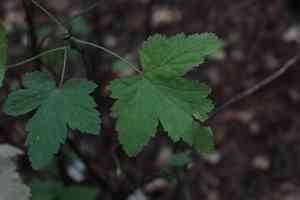
Relocating red flowering currant is most effective from mid-spring through late spring, since elevated temperatures and greater light exposure foster robust development. Select a site featuring soil that drains efficiently and receives partial sun. When moving the plant, choose established specimens and guarantee minimal disruption to their root systems for the best outcome.
What Preparations are Needed Before Transplanting Red Flowering Currant?
What is the Ideal Time for Transplanting Red Flowering Currant?
Moving red flowering currant from early to late spring offers the best chance of success. The mild warmth encourages root development, enhancing red flowering currant's ability to adapt. This period also coincides with red flowering currant's peak growth, allowing for quicker recovery and thriving in its new spot.
How Much Space Should You Leave Between Red Flowering Currant Plants?
When relocating red flowering currant, ensure each plant has ample room to expand. The optimal spacing for these beautiful plants is 3-5 ft (0.9-1.5 meters) apart. This guarantees they have space to flourish and produce their lovely red blooms!
What is the Best Soil Mix for Red Flowering Currant Transplanting?
To prepare the soil for red flowering currant, confirm it is well-draining, loamy, and moderately fertile. You can also incorporate some organic compost as a foundational fertilizer to provide a nutrient boost and aid in strong root establishment.
Where Should You Relocate Your Red Flowering Currant?
For optimal outcomes, select a garden location where red flowering currant will receive partial to full sun. This means an area that gets at least 4-6 hours of direct sunlight daily, enabling the plants to thrive and produce vibrant flowers.
What Equipments Should You Prepare Before Transplantation Red Flowering Currant?
Gardening Gloves
To safeguard your hands while handling soil and plants.
Shovel or Spade
For excavating holes and moving earth.
Watering Can or Hose
To hydrate the plant before extraction and after replanting.
Pruning Shears
To trim any damaged roots or branches.
Wheelbarrow or Container
To move the red flowering currant plant from its original spot to the new planting site.
Mulch
To prevent moisture loss and inhibit weed growth.
Organic Compost
To enrich the planting hole and facilitate rapid plant establishment.
How Do You Remove Red Flowering Currant from the Soil?
How Do You Remove Red Flowering Currant from the Soil?
From Ground: Start by thoroughly moistening the red flowering currant plant to soften the soil. This step will simplify the removal process and reduce plant stress. Using a shovel or spade, dig a wide circle around the plant, ensuring the root ball remains intact. Gently work the spade beneath the root ball to lift the plant from its initial location.From a Pot: Begin by watering the red flowering currant plant thoroughly. Turn the pot on its side and carefully slide the plant out. If it doesnât release easily, you may need to tap the bottom or sides of the pot to loosen it.From Seedling Tray: Water the seedlings completely. This can be achieved by submerging the tray in a water container. Once the soil is saturated, use a small tool or your fingers to push the soil and roots up through the hole at the tray's bottom.
Step-by-Step Guide for Transplanting Red Flowering Currant
Preparation
Prepare the new planting site for the red flowering currant plant. It should be twice as wide and deep as the plant's root ball. Incorporate some compost to enhance soil nutrients.
Placement
Position the red flowering currant plant in the center of the hole. The top of the root ball should be at ground level or slightly elevated to prevent waterlogging.
Backfilling
Fill in around the root ball with the removed soil, gently compacting it as you proceed. Ensure the plant stands upright.
Watering
Water thoroughly after transplanting to settle the soil around the root ball and minimize transplant shock.
Mulching
Apply a layer of mulch around the plant's base to retain moisture and suppress weed growth.
How Do You Care For Red Flowering Currant After Transplanting?
Pruning
Remove any damaged leaves or branches that may have occurred during transplanting, which helps the red flowering currant plant direct energy towards new growth.
Checking
Monitor your transplanted red flowering currant for signs of distress. Some wilting is normal, but if it persists, it might indicate an issue.
Watering
Maintain consistent watering, especially during the initial weeks. While red flowering currant is drought-tolerant once established, it will require regular watering initially to help it settle in its new spot.
Troubleshooting Common Issues with Red Flowering Currant Transplantation.
When is the best time to transplant red flowering currant?
Schedule your red flowering currant transplant between mid and late spring. Believe me, that's the optimal period for this task.
What spacing should I use for red flowering currant when transplanting?
Ensure to provide ample room for red flowering currant to develop. I suggest a spacing of approximately 3-5 feet (0.9-1.5m). Let them have space!
Should I water red flowering currant immediately after transplanting?
Yes, absolutely! Give red flowering currant a good drink right after transplanting. This aids in settling the soil around its roots.
How deep should the hole be for transplanting the red flowering currant?
Aim for a hole twice as wide and as deep as the root ball of your red flowering currant. That's truly beneficial for optimal development.
What should I do if the leaves of my transplanted red flowering currant start wilting?
Don't worry! Ensure it receives consistent water, shield it from excessive heat, and avoid over-fertilization. It might simply be transplant shock.
How can I nourish red flowering currant post-transplant?
You can lightly feed red flowering currant with a slow-release, balanced fertilizer to assist recovery. But remember, moderation is key here!
Why are the leaves of my red flowering currant turning brown after transplanting?
It could indicate insufficient watering or perhaps overly dry soil. Implementing frequent watering will help revive your red flowering currant.
How to ensure the perfect soil type for an red flowering currant transplant?
Red flowering currant thrives in well-drained soil. Enriching the soil with organic matter before transplanting will certainly promote vigorous growth.
Should mulching be part of the transplanting process for red flowering currant?
Absolutely, but only a thin layer around the base. It helps retain moisture and suppresses weeds, reducing competition for nutrients.
Do I prune red flowering currant post-transplant?
No need to rush, my friend, unless you notice dead or damaged branches. Postpone pruning until after it flowers. It's worth the wait!



