How to Transplant Black currant?
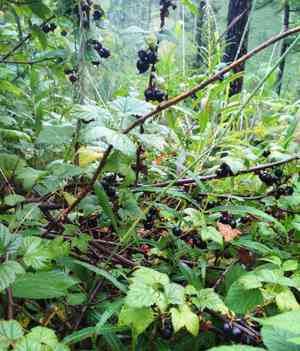
The optimal period for relocating black currant plants is mid-spring, utilizing the temperate conditions for root development. Select a location receiving ample sunlight to some shade, with well-draining soil. A crucial recommendation is to guarantee steady soil hydration following transplantation for a thriving black currant.
What Preparations are Needed Before Transplanting Black Currant?
What is the Ideal Time for Transplanting Black Currant?
Moving black currant during the onset of spring, specifically in the peak of the season, promotes root establishment, ensuring vigorous growth in summer.
How Much Space Should You Leave Between Black Currant Plants?
Firstly, ensure black currant has ample room to thrive! Optimal spacing is approximately 4-5 feet (1.2-1.5 meters). This provides sufficient growth area and helps prevent disease spread. It's straightforward!
What is the Best Soil Mix for Black Currant Transplanting?
Regarding soil preparation, black currant flourishes in well-drained, heavy clay or loamy soils. Prior to planting, enrich the earth with base fertilizer, compost, or aged manure. This will nourish black currant for abundant growth!
Where Should You Relocate Your Black Currant?
Finally, locate a suitable spot with full sun or partial shade for black currant. They enjoy sunlight but struggle with extreme heat. Therefore, a location receiving sun, but not all day, would be perfect. Happy planting!
What Equipments Should You Prepare Before Transplantation Black Currant?
Gardening Gloves
To safeguard your hands from injury when handling the black currant plant and working with soil.
Garden Shovel
To excavate black currant from its original spot and to prepare the new hole in the ground.
Garden Fork
To loosen the soil in the new location and assist with removal if black currant is currently in the ground.
Wheelbarrow or Bucket
To move black currant from its initial location to its new position.
Watering Can/Hose
To thoroughly hydrate black currant before and after the transplant.
Mulch
To help retain moisture in the soil around the transplanted black currant.
Pruning Shears
To trim damaged or excessive growth both before and after transplanting.
How Do You Remove Black Currant from the Soil?
How Do You Remove Black Currant from the Soil?
From Ground: Water black currant a few hours before the planned relocation to make the soil easier to manage. With your garden fork, gently loosen the soil surrounding the plant. Use the shovel to carefully dig out the root ball, ensuring no damage to the roots.From Pot: Water black currant thoroughly and allow it to drain. Gently tilt the pot to one side and carefully slide out the plant, being cautious not to pull on stems or leaves. If black currant seems stuck, you might need to tap the sides or gently press the pot to loosen the root ball.From Seedling Tray: Water black currant and use a tool to help pop out the plant from the tray's bottom. Avoid damaging roots by pulling on the stem, and remember to handle black currant by its leaves, not the stem.
Step-by-Step Guide for Transplanting Black Currant
Preparation
Water your black currant several hours before the scheduled move and again when you're ready to begin.
Removal
Follow the instructions above to extract your black currant from its current spot. Be sure to handle the plant carefully by its root ball, not the stem or leaves.
Transplant Location
Using your shovel, dig a hole that is sufficiently deep and wide to accommodate the entire root ball of black currant.
Placement
Position the root ball into the hole and backfill with soil to the same level black currant was previously planted.
Watering
Generously water your newly transplanted black currant to help it settle into its new environment.
Mulching
Apply a layer of mulch to help maintain soil moisture and deter potential pests.
Pruning
Trim any damaged or unnecessary growth to help direct black currant's energy towards root establishment and development.
How Do You Care For Black Currant After Transplanting?
Watering Schedule
Maintain a consistent water supply for your black currant as this will aid the plant's recovery from transplanting stress. Remember not to overwater, as this can lead to root rot.
Monitoring Growth
Observe your black currant closely for signs of distress such as wilting or yellowing leaves. If you notice any issues, try adjusting its care accordingly.
Protection
Depending on your climate, you might need to provide some protection from extreme weather like frost or intense sun for the initial weeks after transplant.
Pruning
Regular pruning of dead or old branches will help black currant allocate more energy towards new growth and fruit production.
Troubleshooting Common Issues with Black Currant Transplantation.
When is the best time to transplant black currant?
The optimal period for transplanting black currant is from late spring to early summer (S2-S3). This allows the plant a full growing season to establish roots before winter.
What is the appropriate distance to space black currant during transplanting?
Absolutely! Ensure to space black currant approximately 4-5 feet (1.2-1.5 meters) apart. This guarantees that each plant receives an ample share of nutrients, light, and space for full development.
How deep should black currant be planted in the soil?
Black currant should be planted deep enough to keep it upright and fully cover the root ball, about 10 inches (25 cm). This promotes healthy root development.
What kind of soil is best for transplanting black currant?
Black currant prefers slightly acidic, well-drained soil. A fertile loam enriched with compost or well-rotted manure enhances growth and overall plant vitality.
How can I ensure successful acclimation of black currant after transplanting?
To help black currant cope with transplant shock, minimize exposure to extreme temperatures and keep the soil moist. Add a layer of mulch to help retain soil moisture.
How often should I water black currant after transplanting?
Water black currant thoroughly after transplanting, then approximately 1 inch (2.5 cm) of water per week. Adjust based on weather; more if it's hot, less if it's cool and rainy.
How do I make sure the roots of black currant don't get damaged during transplanting?
To protect black currant's roots during transplanting, soak the roots in water beforehand, handle with care, and minimize time out of the ground to reduce exposure to air and sunlight.
Do black currant need immediate fertilizing after transplanting?
It's generally best to wait a few weeks after transplanting black currant before fertilizing. This allows the plant to recover from transplant shock and establish its root system first.
What can I do if the leaves of black currant start yellowing after transplantation?
Yellowing leaves on black currant could indicate under-watering, poor nutrient balance, or transplantation shock. Check the soil condition, watering regimen, and consider a gentle fertilizer if necessary.
What precautions should I take while transplanting black currant to ensure their healthy growth?
To ensure healthy growth, always transplant black currant in the recommended season, maintain proper spacing, water appropriately, use mulch to maintain moisture, and monitor regularly for signs of stress or pests.



