How to Transplant Staghorn sumac?
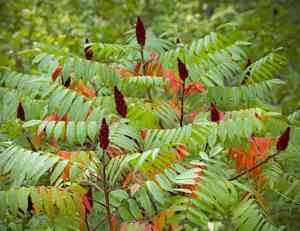
The optimal period for relocating staghorn sumac is at the onset of new development in early spring. Select a site that receives ample sunlight to partial shade and possesses soil with good drainage. Carefully separate the root mass prior to transplantation to foster robust development.
Essential Preparations Before Relocating Staghorn Sumac
Optimal Timing for Moving Staghorn Sumac?
Relocating your staghorn sumac at the start of spring is ideal. This timing allows it ample opportunity to establish roots prior to the summer heat. Moving staghorn sumac during this season promotes vigorous growth and provides a head start before the demanding warmer months. So, get ready in early spring to move your staghorn sumac!
Required Spacing Between Staghorn Sumac Plants?
When moving staghorn sumac, provide each plant sufficient room to expand by maintaining a distance of approximately 10-15 feet (3-4.5 meters) between them. This ensures they flourish and have adequate space for proper development.
Best Soil Mixture for Staghorn Sumac Relocation?
For staghorn sumac, select well-draining soil with a slightly acidic pH (5.5-7). One month before transplanting, incorporate organic matter such as compost, aged manure, or peat moss to enrich the soil. Apply a balanced slow-release fertilizer to encourage healthy development.
Where to Replant Your Staghorn Sumac?
Choose a spot for staghorn sumac that receives full sun to partial shade, ideally 6-8 hours of sunlight daily. Ensure the location has enough room to accommodate the plant's mature size so it can grow happily without blocking pathways or overcrowding other plants.
Equipment Needed Before Transplanting Staghorn Sumac
Gardening Gloves
To safeguard your hands while handling the soil and staghorn sumac.
Shovel or Spade
For excavating the plant from its original spot and creating a new hole at the destination.
Pruning Shears
To trim any damaged or unnecessary branches and roots.
Wheelbarrow or Heavy-duty Tarp
For transporting the staghorn sumac from its initial site to the new transplant location.
Water Hose or Watering Can
To irrigate staghorn sumac after relocation.
Mulch
This aids in retaining soil moisture, which is vital for the survival of staghorn sumac post-transplant.
How to Extract Staghorn Sumac from the Ground?
How to Extract Staghorn Sumac from the Ground?
From Ground: Begin by watering the staghorn sumac plant to soften the soil. Using a shovel, dig a circle around the plant wide enough to encompass all the roots. Be careful not to harm the root ball. Once complete, gently work the spade beneath the root ball and carefully lift the plant from the ground.From Pot: Water the soil in the container until it is damp. Turn the pot on its side, hold the staghorn sumac near its base, and gently tap the pot's rim against a firm surface. This allows the entire plant—roots, soil, and all—to slide out. If the plant is root-bound, you might need to squeeze or crack flexible plastic pots to loosen the root ball.From Seedling Tray: Moisten the soil before removing the staghorn sumac to prevent root damage. Handle the plant by the root ball, not the stem or leaves, as you extract it from the tray. If it's stuck, tap the bottom of the tray to dislodge the plant.
Step-by-Step Guide for Relocating Staghorn Sumac
Preparation
Prepare the new planting site before removing the staghorn sumac from its current spot. This will minimize the time the roots are exposed.
Digging
The hole should be twice as wide and as deep as the root ball. The extra space allows roots to spread and establish new growth.
Placement
Position the staghorn sumac in the center of the hole. Ensure the top of the root ball is level with the ground to prevent water accumulation and root rot.
Backfilling
Refill the hole with the excavated soil, gently firming it around the plant's base. Avoid compacting too heavily to prevent root suffocation.
Watering
Thoroughly water staghorn sumac to settle the soil around the roots and reduce transplant shock.
Mulching
Apply a layer of mulch around the plant's base to help retain moisture and inhibit weed growth.
Post-Transplantation Care for Staghorn Sumac
Initial Care
Water staghorn sumac more frequently than usual during the first few weeks. This aids root establishment in the new location. However, avoid overwatering as it can lead to root rot.
Pruning
Trim any damaged or diseased parts of the plant after transplanting. This helps the plant direct its energy towards developing new roots.
Protection
If the weather is particularly sunny or windy, consider using a plant shade or windbreak to shield the newly transplanted staghorn sumac for a few days. This helps reduce transpiration, which can harm a stressed plant.
Monitoring
Keep a close watch on staghorn sumac for signs of shock, such as wilting or discolored leaves. If observed, reduce sunlight exposure and maintain moderately moist soil.
Resolving Common Issues with Staghorn Sumac Transplantation.
When is the best time of year to move staghorn sumac?
The optimal time to relocate staghorn sumac is in early spring, just as new growth begins to appear.
Is proper spacing important when transplanting staghorn sumac?
Indeed, it is. To provide staghorn sumac with adequate space, maintain a distance of approximately 10-15 ft (3-4.5 meters) between each plant.
How should I prepare the soil before planting staghorn sumac?
Soil preparation is crucial for staghorn sumac. Ensure it is well-drained and moderately fertile. Tilling the surface and adding compost can improve soil quality.
Should I water staghorn sumac immediately after transplanting?
Absolutely! Watering staghorn sumac immediately after relocation helps settle the soil around the roots and minimizes transplant shock.
What kind of environment does staghorn sumac prefer?
Staghorn sumac thrives in locations with full sun to partial shade. It can adapt to various sites but typically flourishes in open areas.
Do I need to stake staghorn sumac after transplanting?
Given that staghorn sumac can grow quite large, it might be beneficial to stake it initially to provide support until the plant is firmly established.
How should I handle the roots when moving staghorn sumac?
When transplanting staghorn sumac, be careful not to damage its roots. Keep the root-ball as intact as possible during the process.
Why are the leaves yellow after I moved staghorn sumac?
Yellow leaves could indicate transplant shock. Don't worry, continue regular watering, and the plant should recover.
Should we apply mulch around staghorn sumac after transplanting?
Yes, applying a generous layer of mulch around staghorn sumac after relocation can help retain moisture and suppress weed growth.
How long does it typically take for staghorn sumac to become established after being transplanted?
Staghorn sumac usually requires one to two seasons to become firmly established. Ensure it is watered appropriately throughout this period.



