How to Transplant Skunk-bush sumac?
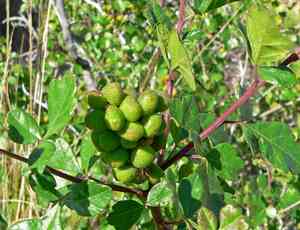
Relocate skunk-bush sumac when the weather is mild after the last frost to ensure optimal root development. Select a bright spot with soil that drains effectively. Careful management of the root mass is essential for a successful transfer.
What Preparations are Needed Before Transplanting Skunk-bush Sumac?
What is the Ideal Time for Transplanting Skunk-bush Sumac?
The best time to move skunk-bush sumac is when late spring transitions into early summer. This timing allows skunk-bush sumac to establish roots in warm, moist, but not excessively hot soil, ensuring smooth adaptation. Relocating skunk-bush sumac during this period takes advantage of mild weather, promoting strong growth before intense summer heat. A friendly reminder: your careful attention during this season can help skunk-bush sumac thrive, so happily grab your gardening tools and let's give skunk-bush sumac a perfect new home!
How Much Space Should You Leave Between Skunk-bush Sumac Plants?
When transplanting skunk-bush sumac, maintain a distance of approximately 4-6 feet (1.2-1.8 meters) between each plant. This provides ample room for proper growth without overcrowding, ensuring a healthy, abundant display. Optimal spacing is crucial for a successful garden!
What is the Best Soil Mix for Skunk-bush Sumac Transplanting?
Skunk-bush sumac thrives in well-drained, sandy or rocky soils. Before transplanting, enrich the ground with a foundational fertilizer to provide essential nutrients, creating a nourishing environment for your plants to flourish. You're off to an excellent start!
Where Should You Relocate Your Skunk-bush Sumac?
Select a location where your skunk-bush sumac will receive full sun to partial shade. This means the site should get direct sunlight for at least part of the day, aiding your plants in beautiful growth and flowering. Keep the sun shining on your gardening journey!
What Equipments Should You Prepare Before Transplantation Skunk-bush Sumac?
Gardening Gloves
These will safeguard your hands from potential thorns on the skunk-bush sumac plant and prevent injury during digging.
Spade or Shovel
This tool will be used to excavate a hole in the new spot and carefully extract the skunk-bush sumac plant from its original location, preserving its root system.
Watering Can or Hose
To hydrate the plant before and after relocation to lessen the shock of moving.
Wheelbarrow or Tarp
To transport the skunk-bush sumac plant to its new site, if it is being moved from the ground.
Pruning Shears
To trim any damaged or excessively long roots.
How Do You Remove Skunk-bush Sumac from the Soil?
How Do You Remove Skunk-bush Sumac from the Soil?
From Ground: Begin by moistening the soil around the skunk-bush sumac plant. Using your spade, start digging a wide circle around the plant, being careful not to disturb the root ball. Furthermore, be patient and take your time; you want to ensure you lift the plant, roots and all, without significant damage. From Pot: Thoroughly water the pot's soil. Holding the plant at its base with splayed fingers to evenly distribute weight, gently tip the pot side-to-side until the skunk-bush sumac and its rootball start to shift. Carefully pull the plant from the pot, supporting the plant's base and rootball. From Seedling Tray: First, water the seedlings in the tray. Once sufficiently damp, slide a table knife or small trowel beneath the seedling's rootball and lift it gently. Hold it by the rootball, not the stem or leaves.
Step-by-Step Guide for Transplanting Skunk-bush Sumac
Soil Preparation
Dig a hole in the new location that is twice as wide as the root ball of your skunk-bush sumac plant, ensuring it's also deep enough for the roots to spread comfortably. Loosen the soil at the sides and bottom of the hole.
Placement
Position the skunk-bush sumac plant in the hole and arrange its roots. The top of the root ball should be level with the surrounding soil.
Backfill
Fill the hole with soil, gently patting it around the base of the skunk-bush sumac plant.
Watering
Immediately after transplanting, thoroughly water the skunk-bush sumac until water drains from the bottom.
Stabilization
If the skunk-bush sumac is tall or unstable, you can stake it to help it remain upright.
How Do You Care For Skunk-bush Sumac After Transplanting?
Watering
For the initial 2-3 weeks, keep the soil around the skunk-bush sumac consistently moist. This aids the plant in recovering from transplant shock and helps the roots establish.
Pruning
Avoid the urge to prune or encourage new growth immediately; your skunk-bush sumac plant needs time to establish its roots before directing energy to grow leaves, flowers, or fruit. After 2-3 weeks, you can begin to prune any dead or damaged branches.
Pest Control
Regularly inspect the skunk-bush sumac plant for signs of pests. If you observe small holes in leaves or any unusual symptoms, promptly initiate organic pest control measures.
Troubleshooting Common Issues with Skunk-bush Sumac Transplantation.
What's the most opportune season for transplanting skunk-bush sumac?
Transplant skunk-bush sumac in late summer to early fall (S3-S4). This allows the plant time to establish before winter.
How much distance should I keep between each skunk-bush sumac while transplanting?
Allow a spacing of about 4 to 6 feet (1.2 to 1.8 meters). This provides each skunk-bush sumac enough space to flourish.
What's an effective way to prepare the soil before transplanting skunk-bush sumac?
Loosen the soil and add compost or organic matter. Skunk-bush sumac prefers well-drained, slightly acidic to neutral soil for healthy growth.
How deep should I dig the hole for transplanting skunk-bush sumac?
Create a hole that's twice as wide but no deeper than the root ball. Skunk-bush sumac's roots need room to spread but shouldn't be buried too deep.
How to handle the root ball of skunk-bush sumac during transplantation?
Handle gently to avoid causing any trauma. If the roots are balled and burlapped, remove or loosen the burling at the time of planting.
How often should I water skunk-bush sumac after transplanting?
Initially, provide plenty of water. After establishment, skunk-bush sumac is drought tolerant and requires watering only during extended dry spells.
What should I do if my transplanted skunk-bush sumac shows signs of distress?
Ensure it's adequately watered and has proper sunlight exposure. If the condition persists, consider soil tests to check for nutrient deficiency or pest problems.
How to promote rapid root establishment in transplanted skunk-bush sumac?
Add a root stimulator to the planting hole. It helps skunk-bush sumac establish quicker, reducing transplant shock and promoting healthier roots.
Can skunk-bush sumac be transplanted into a pot?
Yes, skunk-bush sumac can be pot-grown. Ensure the pot is large enough; its size should be based on the plant's mature size and not its current size.
Do I need to add mulch after transplanting skunk-bush sumac?
Yes, apply a 2-3 inches (5-7.5 cm) layer of mulch around the base. It keeps the roots cool, conserves water, and suppresses weed growth.



