How to Transplant Sugar Bush?
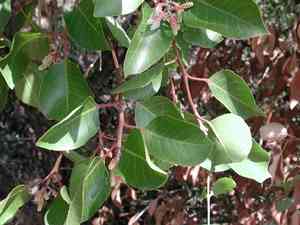
Relocating sugar Bush is most successful when performed within the revitalizing period of early to late spring, facilitating strong root development. Select a sunny, adequately drained site to encourage its energetic proliferation. Careful management of the root mass is crucial for optimal results.
What Preparations are Needed Before Transplanting Sugar Bush?
What is the Ideal Time for Transplanting Sugar Bush?
The best period for moving sugar Bush spans from the onset of early growth to the arrival of late season warmth. Relocating sugar Bush during this timeframe allows the plant to establish itself amidst the natural surge of new life, leveraging spring's nurturing conditions. This window provides your sugar Bush with an extended growing season to develop robust roots before summer's heat, minimizing transplant shock and fostering vigorous development. A helpful tip: a smooth transition during this period capitalizes on spring's mild temperatures, giving sugar Bush the optimal start in its new spot!
How Much Space Should You Leave Between Sugar Bush Plants?
Greetings! So, you're getting ready to plant lovely sugar Bush, aren't you? Remember to provide them ample room to thrive. Aim to space them approximately 6-8 feet apartâthat's roughly 1.8-2.4 meters. This way, each sugar Bush will have sufficient space to extend its branches and absorb sunlight!
What is the Best Soil Mix for Sugar Bush Transplanting?
Before placing your sugar Bush in its new home, it's crucial to prepare the soil. They prefer well-draining soil, so incorporate some organic compost to enrich and aerate the earth. A general-purpose slow-release fertilizer will provide your sugar Bush a gentle boost as it settles in. Just follow the package directions for the correct amount.
Where Should You Relocate Your Sugar Bush?
When selecting a location for your sugar Bush, you'll want to find a sunny spot where it can receive at least six hours of sunlight daily. A site that gets morning sun and some afternoon shade would be absolutely perfect. This will help your sugar Bush flourish and display its beauty!
What Equipments Should You Prepare Before Transplantation Sugar Bush?
Gardening Gloves
To safeguard your hands while handling soil and plants.
Shovel or Spade
For excavating and moving the root ball.
Pruning Shears
To trim any dead or excess plant parts prior to transplanting.
Wheelbarrow
For transporting the sugar Bush or soil, if required.
Watering Can or Hose
For hydrating the sugar Bush after planting.
Garden Fork
To loosen and aerate the soil at the new location.
Mulch
To insulate and safeguard the root area post-transplanting.
Measuring Tape
To ensure appropriate spacing between newly transplanted sugar Bush plants.
How Do You Remove Sugar Bush from the Soil?
How Do You Remove Sugar Bush from the Soil?
From Ground: First, hydrate the sugar Bush plant to moisten the soil, making it easier to manage. Then, excavate a wide trench around the plant with a shovel or spade, ensuring you avoid damaging the root ball. Gently work the tool beneath the root ball to carefully lift the plant from its original spot.From Pot: Water the sugar Bush to ensure the soil is damp and roots are flexible. Tilt the pot to the side and gently tap the bottom and sides to loosen the root ball. Grasp the plant's base and carefully ease it out, supporting the soil and root ball.From Seedling Tray: Water the seedlings to dampen the soil, then carefully use a spoon or a plant label to lift each sugar Bush seedling out by the root ball, avoiding harm to the delicate roots.
Step-by-Step Guide for Transplanting Sugar Bush
Preparation
Gather all necessary tools and thoroughly water the sugar Bush before beginning the transplant process. This will help lessen transplant shock and simplify removal. Do this a day prior to transplanting if possible, to allow the plant to absorb water well and the soil to recover from saturation. Have your transplant site prepared beforehand according to earlier guidelines to minimize the time the roots are exposed to air.
Digging the Hole
At the new planting site, dig a hole that is twice the width of the sugar Bush's root ball and of the same depth. This will provide the roots ample space to spread.
Plant Removal
Following the removal procedure for your situation (from ground, pot, or seedling tray), be sure to retain as much soil around the root ball as possible to protect the roots.
Placing the Plant
Position the sugar Bush in the center of the hole. The top of the root ball should be level with the surrounding soil surface. Fill in around the root ball with soil, gently firming it down without excessive compaction, which can hinder water from reaching the roots.
Watering
After transplanting, thoroughly water the sugar Bush to settle the soil around the roots and eliminate any air pockets. This also helps the soil make good contact with the roots.
Mulching
Apply a layer of mulch around the base of the sugar Bush to help maintain moisture and regulate soil temperature. Keep the mulch a few inches away from the trunk to prevent rot.
How Do You Care For Sugar Bush After Transplanting?
Immediate Watering
Water the newly transplanted sugar Bush generously right after planting to help settle the soil and eliminate air pockets.
Regular Check-ups
Inspect the sugar Bush every few days for signs of stress such as wilting or discolored leaves and address any issues promptly.
Support Structures
If the sugar Bush is tall or top-heavy, consider adding support stakes to help it remain stable while the roots establish.
Mulch
Maintain a layer of mulch around the plant without piling it against the stem or trunk, and refresh it as needed.
Pruning
Trim any broken or damaged branches after transplanting to foster new growth and help the sugar Bush redirect its energy to root development.
First-Year Care
Understand that the first year is critical, and the sugar Bush will need consistent care to establish itself, but avoid overwatering or over-fertilizing, which can be detrimental.
Troubleshooting Common Issues with Sugar Bush Transplantation.
What's the best time to transplant sugar Bush for optimal growth?
Transplant sugar Bush when the weather's mild, ideally from the awakening of spring to the cusp of summer.
How much space should I leave between sugar Bush plants?
Position sugar Bush plants about 6-8 feet (1.8-2.4 meters) apart to give them ample room to flourish.
Why are the leaves of my transplanted sugar Bush wilting?
Wilting after transplanting is often due to root disturbance. Ensure gentle handling and proper watering.
How deep should I dig the hole for transplanting sugar Bush?
Dig a hole twice as wide and the same depth as the root ball to encourage growth.
How do I prepare the soil for sugar Bush transplantation?
Enrich the soil with compost and ensure it's well-draining to match sugar Bush's natural preference.
What should I do if my sugar Bush doesn't seem to take root?
Stabilize the plant with stakes and check if the soil is compacted; gently loosen if necessary.
Can I transplant sugar Bush on a hot, sunny day?
It's best to transplant sugar Bush on a cloudy day or in the evening to reduce transplant shock.
What's the proper watering regimen post-transplanting sugar Bush?
Water deeply after transplanting, then regularly to keep the soil moist but not soggy.
How can I protect my newly transplanted sugar Bush from pests?
Use a natural pesticide and regularly inspect your sugar Bush for signs of pests or diseases.
Should I prune sugar Bush during transplantation?
Prune only damaged or dead branches to help sugar Bush recover faster from the transplanting process.



