How to Transplant Yunnan rhododendron?
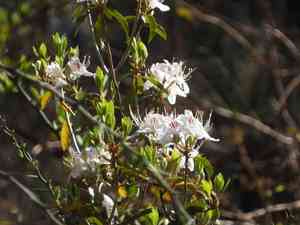
Yunnan rhododendron flourishes most effectively when relocated from late autumn to early winter, owing to its dormant state. Select a partially shaded area featuring soil that drains efficiently. Verify that the new site replicates its native environment for peak development.
What Preparations are Needed Before Transplanting Yunnan Rhododendron?
What is the Ideal Time for Transplanting Yunnan Rhododendron?
The best period for relocating yunnan rhododendron is from late autumn to early winter. This timeframe allows the plant to establish its root system prior to the active growth season, promoting better stability and development. Moving it during this time minimizes stress and shock due to cooler temperatures and dormancy, leading to a healthier perennial.
How Much Space Should You Leave Between Yunnan Rhododendron Plants?
For yunnan rhododendron, ensure a transplanting distance of 3-5 feet (91-152 cm) between them. This spacing provides ample room for their growth and flourishing without competing for essential nutrients and sunlight.
What is the Best Soil Mix for Yunnan Rhododendron Transplanting?
Prepare a well-draining, acidic soil with a pH of 4.5-6.0 for yunnan rhododendron. Incorporate organic compost or peat moss to enhance soil structure and add a phosphorus-rich base fertilizer to aid root development.
Where Should You Relocate Your Yunnan Rhododendron?
Select a site that receives partial to full sunlight, ideally 4-6 hours of morning sun with some afternoon shade. These light conditions are perfect for yunnan rhododendron to thrive without the risk of leaf burn.
What Equipments Should You Prepare Before Transplantation Yunnan Rhododendron?
Gardening Gloves
To safeguard your hands while handling soil and the plant.
Shovel or Spade
For digging around and lifting the plant from its original spot.
Watering Can or Hose
To provide water to the plant before and after its relocation.
Pruning Shears
For trimming any damaged roots or branches.
Wheelbarrow
To move the plant if it is large or heavy.
Garden Fork
To help loosen compacted soil around the plant.
How Do You Remove Yunnan Rhododendron from the Soil?
How Do You Remove Yunnan Rhododendron from the Soil?
From Ground: First, hydrate the yunnan rhododendron plant to moisten the soil. Next, excavate a wide trench around the plant using a shovel or spade, ensuring the plant's root ball remains intact. Carefully work the spade beneath the root ball to lift the plant from its initial position.From Pot: Thoroughly water the yunnan rhododendron plant. Tilt the pot sideways and gently tap its sides to loosen the soil. Hold the plant at its base and carefully pull it out. If the plant is root-bound, use a garden knife to gently separate the roots.From Seedling Tray: Water the seedling tray to make the soil damp. Use a small tool, such as a spoon or a dibbler, to carefully lift each seedling by its leaves or root ball, avoiding contact with the delicate stem.
Step-by-Step Guide for Transplanting Yunnan Rhododendron
Preparation
Prepare the new location by digging a hole that is twice as wide and equally deep as the root ball of your yunnan rhododendron plant. Ensure the hole is spacious enough to accommodate the entire root system.
Root Inspection
Examine the roots of your yunnan rhododendron before placing it in the ground. Trim any damaged or excessively long roots using pruning shears.
Placing the Plant
Position the yunnan rhododendron plant in the center of the hole. The stem's base should be level with the surrounding soil. Fill the hole halfway with soil and water it to remove air pockets. Then, completely fill the hole with soil.
Firming the Soil
Gently press down on the soil around the base of the yunnan rhododendron to ensure stability and eliminate any remaining air pockets.
Watering
Thoroughly water the yunnan rhododendron plant after transplanting to help settle the soil and establish good contact with the roots.
How Do You Care For Yunnan Rhododendron After Transplanting?
Watering
Keep the soil around the yunnan rhododendron consistently moist, but not waterlogged, for the initial few weeks post-transplant to aid in establishing strong roots.
Mulching
Apply a layer of mulch around the base of the yunnan rhododendron plant to help retain soil moisture and regulate soil temperature.
Pruning
Trim any broken or damaged branches to reduce stress on the plant and encourage healthy growth.
Monitoring
Regularly check the plant for signs of stress, such as wilting or yellowing leaves, and respond accordingly by adjusting watering or providing shade if necessary.
Troubleshooting Common Issues with Yunnan Rhododendron Transplantation.
When is the best time to transplant yunnan rhododendron?
Early to mid-winter is ideal for transplanting yunnan rhododendron, ensuring minimal stress on the plant.
What soil type is best for transplanting yunnan rhododendron?
Well-drained, acidic soil rich in organic matter is perfect for yunnan rhododendron.
How far apart should yunnan rhododendron plants be spaced?
Space yunnan rhododendron plants 3-5 feet (0.9-1.5 meters) apart for optimal growth.
How should I prepare the soil before transplanting yunnan rhododendron?
Loosen the soil to 10 inches (25 cm) deep and mix in compost for nutrients.
How much water does yunnan rhododendron need after transplanting?
Water yunnan rhododendron thoroughly after transplanting and maintain moist soil, not waterlogged.
What type of mulch is best for yunnan rhododendron?
Use pine bark or pine straw mulch around yunnan rhododendron to retain moisture and acidify the soil.
How do I handle root-bound yunnan rhododendron before transplanting?
Gently tease out or trim the roots of root-bound yunnan rhododendron to promote growth.
Should I prune yunnan rhododendron before transplanting?
Yes, lightly prune any dead or diseased branches to focus growth on healthy parts.
How much sunlight does yunnan rhododendron need after transplanting?
Yunnan rhododendron thrives in partial shade to full sun but prefers morning sunlight.
What should I do if yunnan rhododendron has transplant shock?
Water regularly, provide shade, and avoid fertilizing until yunnan rhododendron shows signs of recovery.



