How to Transplant Chinese rhubarb?
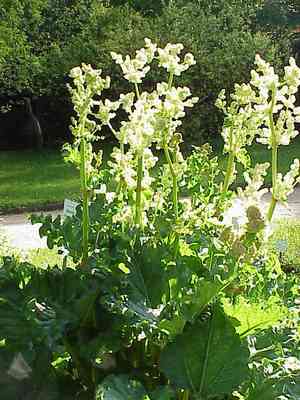
Chinese rhubarb flourishes when relocated in the initial to middle spring period, benefiting from ideal growing circumstances. It favors a bright position with soil that drains effectively. Confirm the chosen site provides sufficient space for development. Steer clear of severe temperatures during the transplanting process for superior outcomes.
What Preparations are Needed Before Transplanting Chinese Rhubarb?
What is the Ideal Time for Transplanting Chinese Rhubarb?
Chinese rhubarb, a perennial, flourishes when moved in early to mid-spring. This timing ensures the ground is workable and the plant can establish roots prior to summer heat. Relocating during this period guarantees optimal development as chinese rhubarb benefits from cool, damp conditions that minimize transplant shock, leading to robust growth.
How Much Space Should You Leave Between Chinese Rhubarb Plants?
When relocating chinese rhubarb, ensure each plant is spaced 3-4 feet (0.9-1.2 meters) apart. This provides ample room for them to grow and thrive without overcrowding.
What is the Best Soil Mix for Chinese Rhubarb Transplanting?
Prepare the soil by ensuring it drains well and is rich in organic material. Incorporate a balanced base fertilizer, such as a 10-10-10 (N-P-K) blend, to support healthy growth for chinese rhubarb.
Where Should You Relocate Your Chinese Rhubarb?
Select a sunny location for transplanting chinese rhubarb, ideally where it will receive at least 6 hours of sunlight daily. This ensures the plant obtains the energy it requires to flourish.
What Equipments Should You Prepare Before Transplantation Chinese Rhubarb?
Gardening Gloves
To safeguard your hands while handling soil and plants.
Shovel or Spade
For excavating holes and furrows.
Trowel
For precise digging and loosening soil around the plant.
Watering Can or Hose
For hydrating the plant before and after relocation.
Compost or Organic Matter
For enriching the new planting location.
How Do You Remove Chinese Rhubarb from the Soil?
How Do You Remove Chinese Rhubarb from the Soil?
From Ground: First, hydrate the chinese rhubarb plant to moisten the soil. Then, dig a wide trench around the plant using a shovel or spade, ensuring the plant's root ball remains intact. Carefully work the spade beneath the root ball to lift the plant from its original spot.From Pot: Gently water the chinese rhubarb in its container to loosen the soil. Invert the pot while supporting the plant's base, and tap the pot's edges to release the plant. If the plant is root-bound, carefully work your fingers around the root ball to separate the roots.From Seedling Tray: Water the seedling tray to make the soil damp. Use a trowel or your fingers to carefully lift each seedling, ensuring the root ball remains undamaged.
Step-by-Step Guide for Transplanting Chinese Rhubarb
Prepare the New Site
Ensure the new planting location is ready by digging a hole twice the width and the same depth as the plant's root ball. Enrich the soil with compost or organic material.
Remove the Plant
Follow the removal procedure appropriate for the plant's current position, ensuring minimal root disturbance.
Place the Plant
Position the chinese rhubarb in the center of the hole at the same depth it was previously growing. Gently spread the roots and ensure the plant stands upright.
Backfill the Hole
Fill the hole with soil, pressing down lightly to eliminate air pockets. Water the area generously to help the soil settle.
Mulching
Apply a layer of mulch around the plant's base to retain moisture and regulate soil temperature.
How Do You Care For Chinese Rhubarb After Transplanting?
Watering
Keep the soil around the chinese rhubarb consistently moist, but not waterlogged, for the initial weeks after transplanting to aid in establishing strong roots.
Monitoring
Regularly inspect the plant for indications of stress or pests, and take prompt action if necessary.
Mulching
Maintain the mulch layer to keep the soil damp and prevent weeds.
Pruning
Trim any dead or damaged foliage to encourage healthy development.
Troubleshooting Common Issues with Chinese Rhubarb Transplantation.
When is the best time to transplant chinese rhubarb?
Relocate chinese rhubarb in early to mid-spring for optimal outcomes, when conditions are cool and moist.
How much space should I leave between chinese rhubarb plants?
Allow 3-4 feet (0.9-1.2 meters) between plants for sufficient growth and air circulation.
How do I prepare the soil for transplanting chinese rhubarb?
Utilize well-draining, fertile soil with organic matter. Ensure it's loose to promote root development.
What tools do I need to transplant chinese rhubarb?
You'll require a spade or shovel, garden gloves, and a watering can for effective relocation.
How deep should I plant chinese rhubarb roots?
Plant chinese rhubarb roots approximately 2-3 inches (5-7.5 cm) deep, ensuring the crown is just above the soil surface.
What should I do if chinese rhubarb leaves wilt after transplanting?
Trim any wilted leaves and ensure the plant is adequately watered to lessen transplant shock.
How often should I water newly transplanted chinese rhubarb?
Water the newly relocated chinese rhubarb every 2-3 days to maintain consistently moist soil.
Do I need to fertilize chinese rhubarb immediately after transplanting?
Fertilize with a balanced, slow-release fertilizer after the plant has settled in, around 2-3 weeks.
How can I protect chinese rhubarb from pests after transplanting?
Employ organic mulch and monitor for pests. Neem oil and insecticidal soap can be beneficial.
What should I do if chinese rhubarb isn't thriving after transplanting?
Examine soil conditions, water levels, and for pests. Adjust care as needed and consult a local expert.



