How to Transplant Needle palm?
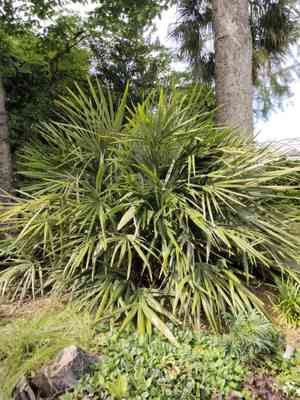
Relocate needle palm during the mild season of late spring or summer, as the warmth aids root development. Choose a shaded spot featuring soil that drains effectively. Supply plenty of water at first to alleviate the transplant shock for needle palm.
Essential Preparations Before Relocating Needle Palm
When is the Best Time to Move Needle Palm?
The perfect time to move needle palm is during the pleasant days of late spring to early summer. This period offers needle palm ample daylight and mild temperatures, promoting robust root development and growth before winter. Moving needle palm at this point leverages naturally moist soil, lessening transplant shock and encouraging vigorous growth. Selecting this season allows needle palm to settle comfortably, utilizing optimal growing conditions to flourish.
What Distance Should Be Maintained Between Needle Palm Plants?
For needle palm, it's best to allow ample room, aiming for a separation of approximately 10-12 feet (3-3.6 meters). This ensures each plant can expand without growth being hindered by crowding. Be patient, it's beneficial!
What is the Ideal Soil Mixture for Needle Palm Relocation?
Needle palm thrives in soil that drains well. Before planting, enrich the ground with organic materials such as compost. You can also incorporate a slow-release granular fertilizer at the base for a nutritional boost, ensuring healthy development.
Where Should You Replant Your Needle Palm?
Regarding placement, needle palm is quite adaptable. It can endure full sun to partial shade. However, for peak growth, choose a spot with a blend of sun and shade. Remember to check on it daily for optimal care!
What Tools Are Necessary Before Transplanting Needle Palm?
Shovel or Spade
For excavating holes and extracting the plant from its initial spot.
Gardening Gloves
To safeguard your hands while handling the plant and working with soil.
Gardening Trowel
A smaller implement useful for transplanting tasks in confined areas.
Bucket or Wheelbarrow
To move the plant from its original location to the new planting site.
Watering Can
To supply the plant with water during and after the procedure.
Mulch
Helps retain moisture and prevents weed growth after transplant.
Compost
To enrich the soil in the new planting site before transplanting.
How to Extract Needle Palm from the Ground?
How to Extract Needle Palm from the Ground?
From Ground: Start by hydrating the needle palm plant a few hours before the move to facilitate easier removal. Begin digging a wide trench around the plant with your shovel or spade, ensuring you're not too close to the main root, preventing damage. Once the trench is adequate, angle the shovel underneath to lift the plant from the ground, preserving as much of the root system as possible.From a Pot: Water the needle palm plant in its container before moving it. Be gentle to avoid damage. Once the soil is moist, turn the pot sideways, grasp the plant at its base, and pull it out along with the soil. Be careful not to yank the plant abruptly.From Seedling Tray: Water the needle palm seedlings prior to transplanting. Gently remove the seedlings by pushing them from the bottom of the tray. Handle seedlings by their leaves to prevent any damage to the stem or roots.
Detailed Guide for Transplanting Needle Palm
Preparation
Before you start, immerse the needle palm in water and allow excess water to drain from the plant.
Excavation
Prepare a hole in your chosen spot using a shovel or trowel. The hole should be as deep as the needle palm's root ball and twice its width.
Positioning
Carefully place the needle palm plant in the hole and straighten it. Ensure it stands upright.
Backfilling
Gradually fill the hole with soil and compost, pressing down gently to remove any air pockets. Do not bury the plantâs stem.
Hydration
Water the plant immediately after transplanting. This aids in settling the soil around the roots.
Mulching
Spread a layer of mulch around the plant's base to help retain moisture and deter weed growth.
Post-Transplant Care for Needle Palm
Watering
Ensure the needle palm plant receives consistent watering, especially during the initial weeks after transplant. The soil should be damp but not waterlogged.
Protection
Consider shielding needle palm from environmental elements during the first few weeks post-transplant. A loose covering of hessian (burlap) can help guard against frost and wind.
Monitoring
Closely observe the needle palm plant for the first few weeks. Watch for any signs of transplant shock such as leaf drop or wilting. If noticed, provide more water and consider adding a layer of compost to the soil.
Pruning
If the needle palm plant grows erratically or doesn't seem to establish well after transplanting, consider light pruning to help it direct energy towards developing stronger roots.
Addressing Common Issues with Needle Palm Transplantation.
When is the ideal time to transplant needle palm?
The most favorable period to transplant needle palm is between its third and sixth growing seasons. This offers the best chances for survival and growth.
What spacing should be maintained between needle palm when transplanting?
For optimal spacing, aim to maintain a distance of about 10-12 feet (3-3.7 meters). This allows the plant to spread out and grow without restriction.
Why are my transplanted needle palm turning yellow?
Yellowing typically indicates overwatering or inadequate drainage. Ensure your needle palm is planted in well-draining soil and water it moderately.
What should I do if my transplanted needle palm is wilting?
Wilting can be a symptom of transplant shock. Keep the soil moist and provide shade for the initial days after transplanting.
Why is my needle palm not growing after transplanting?
Ensure proper spacing and planting depth, and check soil type and pH. Needle palm might be in a non-ideal environment, which hinders its growth.
My needle palm has brown leaves after transplant. What to do?
Brown leaves may suggest insufficient water. However, avoid overwatering as it can lead to root rot. Maintain a proper watering schedule.
Can needle palm be transplanted in full sun?
Needle palm is adaptable and can tolerate various light conditions, including full sun. However, it also thrives happily in full shade.
Can needle palm survive transplanting in cooler weather?
Needle palm is a resilient plant and can withstand cool temperatures. However, it's best to transplant it during warmer, mild weather to ensure better growth.
How deep should the hole be while transplanting needle palm?
The hole should be 2-3 times wider and the same depth as needle palm's root ball. This ensures roots have sufficient space to spread and establish.
How long does needle palm take to establish after transplant?
Needle palm may take several weeks to a few months to fully establish, depending on the conditions. Regular watering and proper care accelerate this process.



