How to Transplant Bridal veil broom?
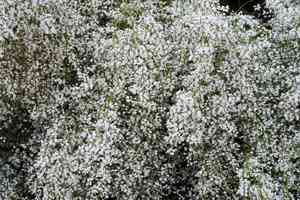
Spring's revitalizing growth phase presents the ideal opportunity for relocating bridal veil broom, facilitating a smooth adjustment. Select a sunny location featuring soil that drains effectively; attentive nurturing will guarantee bridal veil broom's flourishing after its relocation.
What Preparations are Needed Before Relocating Bridal Veil Broom?
What is the Ideal Time for Relocating Bridal Veil Broom?
Moving bridal veil broom to a new spot is best done during the vibrant days of spring, when nature revives with energy. This allows bridal veil broom to settle in milder temperatures and build strength before the summer heat. By selecting this revitalizing period of the year, you're giving your bridal veil broom an excellent head-start, ensuring vigorous growth and abundant beauty in your garden, while enjoying the pleasant embrace of the season's moderate weather.
How Much Space Should You Leave Between Bridal Veil Broom Plants?
For bridal veil broom, sufficient plant spacing is vital for proper development. Aim to leave approximately 2-3 feet (60-90 cm) of room between each plant. This helps them receive adequate sunlight and provides space for nutrient absorption.
What is the Best Soil Mix for Bridal Veil Broom Relocation?
Prepare your garden bed with well-draining soil, ideally sandy to loamy. Bridal veil broom prefers a neutral pH, so ensure the soil isn't excessively acidic or alkaline. Incorporate a slow-release granular base fertilizer for the optimal initial nutrient boost.
Where Should You Relocate Your Bridal Veil Broom?
Choose a site where bridal veil broom will receive full sunlight for at least 6 hours daily; it thrives in a bright, sunny location! However, a bit of afternoon shade will also help it perform better in hot climates. Happy planting!
What Equipment Should You Prepare Before Relocating Bridal Veil Broom?
Gardening Gloves
To safeguard your hands while handling the plant and soil.
Shovel or Spade
Used to loosen the earth and excavate the planting hole for the bridal veil broom plant.
Hand Trowel
Useful for extracting bridal veil broom from pots or seedling trays.
Pruners or Shears
For trimming any damaged roots or branches.
Watering Cans
To hydrate the plant both before and after relocation.
Garden Hose (optional)
If the plant is large or the ground is dry, a garden hose can help moisten the soil.
Wheelbarrow or Bucket (optional)
Helpful for transporting the plant if it's larger or heavier.
How Do You Remove Bridal Veil Broom from the Soil?
How Do You Remove Bridal Veil Broom from the Soil?
From Ground: First, gently water the bridal veil broom plant to moisten the soil, making it easier to excavate. Carefully dig around the plant with a spade, ensuring you dig wide enough to avoid damaging the root system. Gradually work the spade under the root ball to lift the plant without harming the roots.From Pot: Water the pot until the soil is damp. Turn it sideways, hold the bridal veil broom plant gently by the stems, tap the bottom of its container until the plant slides out. Avoid pulling by the plant stems.From Seedling Tray: Moisten the soil and carefully remove the bridal veil broom plant by grasping its leaves, not the stem. Use a kitchen spoon or a similar tool to lift the seedlings individually by leveraging up the compost and roots.
Step-by-Step Guide for Relocating Bridal Veil Broom
Preparation
Begin by watering the bridal veil broom plant in its current spot. This will facilitate its removal and prepare it for relocation.
Digging Hole
Excavate a hole in your chosen location that is twice as wide and just as deep as the root ball of your bridal veil broom plant.
Placing the Plant
Position your bridal veil broom plant in the center of the hole. The top of the roots should be level with, or slightly below, the surrounding soil to allow for settling.
Backfilling
Refill the hole with original soil, ensuring no roots are exposed. Gently firm the soil around the base of the bridal veil broom plant.
Watering
Water the plant immediately after relocating to help alleviate relocation shock.
How Do You Care For Bridal Veil Broom After Relocating?
Mulching
After relocating, apply a layer of mulch around the base of the bridal veil broom, but not touching the stem, to conserve soil moisture and regulate soil temperature.
Watering
Water the bridal veil broom consistently in the initial stages, ensuring the soil remains moist, not waterlogged.
Pruning
In the early days, remove any visibly damaged or diseased branches to redirect the plantâs energy to root development.
Monitoring
Watch for signs of disease or pests, and apply appropriate treatments if necessary. Remember, a bridal veil broom might take a while to recover after relocation; give it time.
Troubleshooting Common Issues with Bridal Veil Broom Relocation.
When's the best time to relocate bridal veil broom?
The optimal time to relocate bridal veil broom would ideally be during S1-S3. Moving it in the wrong season can cause significant stress to the plant.
What's the proper spacing when relocating bridal veil broom?
Providing bridal veil broom with ample space is key, ideally 2-3 feet (60-90 cm) apart. This ensures plants have room to spread their roots and prevents competition for nutrients.
How do I prepare the soil for relocating bridal veil broom?
Loosen the soil before relocating, making it easier for roots to establish. Remember to amend the soil with organic compost if it's not fertile enough.
What are the watering needs for bridal veil broom right after relocating?
Water bridal veil broom immediately after relocating to prevent wilting. Continue to keep the soil moist but not waterlogged as this can lead to root rot.
How should I handle bridal veil broom while relocating to avoid damage?
Gently remove bridal veil broom from its current location, avoiding damage to the roots. Handle the plant by the root ball, not the stem, to minimize stress.
How deep should the relocation hole be for bridal veil broom?
Dig a hole that is twice as wide and the same depth as the root ball. This allows the roots to spread out in their new surroundings.
What can I do to help bridal veil broom settle after relocating?
Create a good start by adding compost to the planting hole prior to relocating. After relocating, apply a thick mulch to conserve moisture and suppress weeds.
Why are my relocated bridal veil broom leaves turning yellow?
Yellow leaves might indicate overwatering, underwatering, or a nutrient deficiency. Adjust watering and feed bridal veil broom with a balanced fertilizer to regain its health.
Should I fertilize bridal veil broom immediately after relocating?
Wait a few weeks before fertilizing relocated bridal veil broom to avoid burning the roots. Start with a light application, adjusting based on the plant's response.
Why are my relocated bridal veil broom wilting despite regular watering?
Wilting can be triggered by relocation shock, which is common when plants are moved. Maintain consistent care and consider adding a root stimulator to boost recovery.



