How to Transplant Rehmannia?
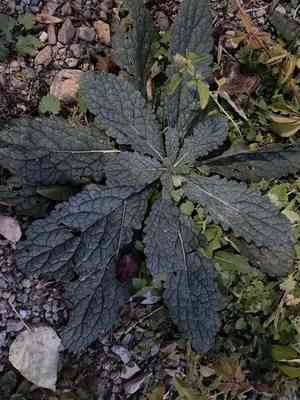
To achieve the most successful integration of rehmannia, the beginning of the cultivation period is the ideal moment for relocation, facilitating a smooth adaptation. Select a location that receives ample sunlight to partial shade and features soil with good drainage. Careful manipulation is crucial for safeguarding the root system throughout the procedure.
What Preparations are Needed Before Transplanting Rehmannia?
What is the Ideal Time for Transplanting Rehmannia?
The beginning of the growing season, usually as winter ends, is perfect for moving rehmannia. This period encourages strong root development and recovery.
How Much Space Should You Leave Between Rehmannia Plants?
When preparing to move your rehmannia, ensure ample room for growth! Position your plants approximately 1-2 feet (30-60 cm) apart. This provides sufficient space for each plant to flourish without competing for resources.
What is the Best Soil Mix for Rehmannia Transplanting?
Your rehmannia prefers soil that drains well. Before planting, prepare the bed by incorporating a blend of garden soil and organic compost to create a rich foundation. A slow-release organic fertilizer can be mixed in for initial nourishment.
Where Should You Relocate Your Rehmannia?
Select a spot that receives partial sunlight for your rehmannia. This could be an area that gets some afternoon shade, as these plants prefer slightly cooler conditions over full sun.
What Equipments Should You Prepare Before Transplantation Rehmannia?
Spade or Shovel
To excavate the plant from its original spot without harming its root ball.
Gardening Gloves
To safeguard your hands while handling soil and the plant.
Gardening Trowel
To create a hole in the new location where you will place your rehmannia.
Watering Can
To thoroughly hydrate the plant before and after the relocation.
Wheelbarrow or Plant Trolley
To move the plant from its initial position to the new one, especially if it's a large rehmannia.
Gardening Shears
To trim the rehmannia before and after transplanting if needed.
Measuring Tape
To ensure adequate spacing between plants and select an appropriate hole size.
How Do You Remove Rehmannia from the Soil?
How Do You Remove Rehmannia from the Soil?
From Ground: First, put on your gardening gloves and begin by watering the rehmannia to make the soil and roots easier to manage. Then, using your spade or shovel, dig a wide trench around the plant, ensuring the plant's root ball remains intact. Be sure to do this gently to avoid damaging the plant's roots. Once this is done, work the spade under the root ball and carefully lift the plant from its current location.From Pot: Start by watering the rehmannia in the pot. Then, carefully invert the pot, supporting the plant with your other hand. Tap the bottom and sides of the pot to loosen it, then gently slide the plant out, making sure to support the root ball. If the plant resists, you may need to use a cutting tool to carefully cut the pot away.From Seedling Tray: Ensure the rehmannia seedlings are well watered, then use a gardening trowel or a dibber to carefully lift the seedlings, trying as best as possible not to harm the delicate roots.
Step-by-Step Guide for Transplanting Rehmannia
Preparation
First, prepare your new site by digging a hole with your gardening trowel that's roughly twice the size of your rehmannia's root ball. The hole should be deep enough to cover the roots but not so deep that the base of the plant's stems are buried.
Transplanting
Carefully place your rehmannia into the hole, attempting to spread out the roots slightly as you do so. Backfill the hole with soil, ensuring the plant stands upright. Gently press the soil down to ensure the plant is stable in its new spot.
Watering
After transplanting, give your rehmannia a thorough watering, ensuring the soil is well saturated but not waterlogged. This helps the plant settle and encourages new root growth in its new location.
How Do You Care For Rehmannia After Transplanting?
Watering
Ensure the soil around your rehmannia remains moist but not waterlogged in the days following the transplant. This aids in establishing strong roots.
Pruning
If your rehmannia appears stressed after the transplant, a light pruning can be beneficial. This reduces the amount of foliage the roots need to support, allowing them to focus on establishing in the new location.
Monitoring
Closely observe your rehmannia in the days and weeks after transplanting. Look for any signs of transplant shock such as wilting, yellowing, or dropping leaves, and respond appropriately based on advice from gardening resources or experts. Rehmannias are typically resilient and with proper care, your rehmannia should recover and thrive in its new location!
Troubleshooting Common Issues with Rehmannia Transplantation.
When is the ideal time to transplant rehmannia?
The optimal time to relocate rehmannia is during the season S1. This season provides the best conditions for rehmannia to successfully establish itself in a new environment.
What is the ideal spacing for transplanting rehmannia?
Rehmannia should be transplanted at an optimal distance of 1-2 feet (approximately 30-60 centimeters) apart. This space will help rehmannia grow healthy and strong.
How deep should I plant rehmannia during transplanting?
When transplanting rehmannia, ensure to bury the rootball deep enough so that it's level with or slightly below the surface. Doing so gives the plant stability and encourages root growth.
How much water do rehmannia need immediately after transplanting?
Upon planting, rehmannia needs a generous amount of water. Watering deeply helps the roots to establish in the new placement and reduces stress the plant might experience.
What is the best type of soil for rehmannia when transplanting?
Rehmannia thrives best in well-draining soil with moderate fertility. If your soil is heavy clay or sandy, consider improving it with organic matter before transplanting.
Should I amend the soil when transplanting rehmannia?
Yes. Amending the soil with organic matter can improve its structure, drainage, and nutrient content, which promotes the healthy growth of rehmannia.
What should I do if the leaves of my transplanted rehmannia start wilting?
Wilting can be a sign of transplant shock. Make sure rehmannia is well watered, but do not overwater. If the condition persists, consider using a transplant shock prevention product.
How can I prevent rehmannia from transplant shock?
To minimize transplant shock, transplant rehmannia during the cooler parts of the day, ensure it is adequately watered and place it initially in a slightly shaded area.
Should I use a root stimulator when transplanting rehmannia?
Applying a root stimulator can enhance root development which helps rehmannia to establish faster. However, make sure to follow the package instructions carefully as overuse can cause damage.
Do I need to prune rehmannia before transplanting?
It is not typically necessary to prune rehmannia before transplanting unless the plant is too large or the branches are damaged. Pruning can help redirect energy to root development.



