How to Transplant Radish?
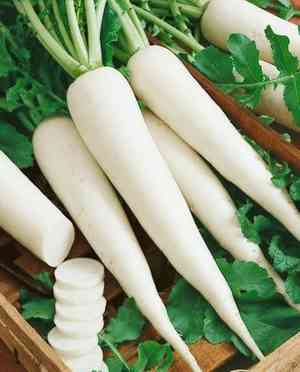
The ideal period for relocating radishes is from early to mid-spring, which guarantees robust development under favorable circumstances. Select a bright, adequately drained spot and allow sufficient room. If necessary, contemplate transplanting with protective coverings, like cloches, to achieve superior outcomes.
What Preparations are Needed Before Transplanting Radish?
What is the Ideal Time for Transplanting Radish?
The perfect period to relocate our radish is during nature's reawakening, from early to mid-spring. This timeframe offers radish a supportive environment for thriving. Moving radish in this season provides prime conditions for robust growth, vibrant health, and a plentiful yield.
How Much Space Should You Leave Between Radish Plants?
For transplanting radish, allow a spacing of 2-3 inches (5-7.5 cm) between them to provide ample room for development. This promotes healthy root growth and ensures a good harvest.
What is the Best Soil Mix for Radish Transplanting?
To prepare the soil for radish, create a blend of well-draining, loamy or sandy soil with quality compost, and a foundational fertilizer like 10-10-10 granules. This guarantees adequate nutrients and moisture retention for optimal growth.
Where Should You Relocate Your Radish?
Select a spot for radish where they will receive full sun exposure for approximately 6 â 8 hours daily. Sunlight is crucial for their development and enhances their delicious flavor, so choose a bright, sunny area in your garden.
What Equipments Should You Prepare Before Transplantation Radish?
Gardening Gloves
To safeguard your hands while handling soil and the radish plant.
Trowel or Shovel
Used for digging holes for relocation and loosening soil around the root ball.
Garden Fork
Helpful for aerating compacted soil and gently extracting radish from seedling trays.
Watering Can or Hose
To hydrate the radish before and after relocation.
Hand Pruner
Useful for trimming any damaged roots or foliage from the radish plant.
Organic Matter (e.g. compost, aged manure, or peat moss)
To enrich the planting site and improve soil structure.
How Do You Remove Radish from the Soil?
How Do You Remove Radish from the Soil?
From Ground: First, water the radish plant to moisten the soil. Then, dig a wide trench around the plant using a shovel or spade, ensuring the plant's root ball remains undisturbed. Carefully work the spade beneath the root ball to lift the plant from its original spot.From Pot: Water the radish plant and gently extract it from the pot by laying it on its side and tapping the pot's edges. Gently grasp the plant's base and wiggle it out, taking care not to harm the roots.From Seedling Tray: Water the tray and use a garden fork to gently loosen the soil around the radish seedling. Carefully lift the seedling from the tray, without pulling on the stem, to avoid damaging the delicate roots.
Step-by-Step Guide for Transplanting Radish
Preparation
Water the radish plant thoroughly a few hours prior to transplanting to minimize stress on the plant.
Site Preparation
Loosen the top 8-10 inches of soil with a garden fork and incorporate organic matter (e.g., compost, aged manure, or peat moss) to enhance soil structure.
Dig Hole
Using a trowel or shovel, excavate a hole as deep as the root ball and twice its width.
Place radish
Gently position the radish plant in the center of the hole, ensuring the roots are spread out and the plant is situated at its original soil depth.
Backfill
Fill the hole with soil, gently firming it around the plant's roots to ensure good contact and eliminate any air pockets.
Water
Water the newly transplanted radish thoroughly to settle the soil and aid in root establishment.
Mulch
Apply a layer of organic mulch, such as shredded bark or compost, around the radish plant to help retain moisture and deter weeds.
How Do You Care For Radish After Transplanting?
Watering
Keep the soil around the radish consistently moist, but not waterlogged, for the initial weeks after transplanting to help establish strong roots.
Pruning
Remove any damaged or weak foliage to encourage new, healthy growth.
Protect from Pests
Monitor the radish plant for pest issues and treat as needed with appropriate methods, such as introducing beneficial insects or using organic insecticides if necessary.
Fertilizing
Apply a balanced, slow-release fertilizer approximately 3-4 weeks after transplanting to encourage healthy growth and root development.
Troubleshooting Common Issues with Radish Transplantation.
What is the best time of the year to transplant radish seedlings?
The optimal period for relocating radish is from the beginning of spring to mid-spring. This takes advantage of the cool, moist weather conditions this plant prefers.
How far apart should radish be placed when transplanting?
To keep radish healthy and uncrowded, it's important to maintain a space of about 2-3 inches (5-7.6 cm) between each plant when transplanting.
How should I prepare the soil for transplanting radish?
The soil must be loose, well-drained with a healthy mix of compost. Remove any rocks or debris which could hinder the radish's root development.
How to water radish after transplanting?
Radish prefers moist but not soggy soil. Water the newly transplanted plants thoroughly, then keep the soil consistently moist until the plants are established.
What should I do if radish leaves are yellow after transplanting?
Yellow leaves may indicate over-watering. Ensure your radish isn't waterlogged, and consider reducing the watering schedule. Good-draining soil can help prevent this issue.
How deep should I transplant radish seedlings?
When transplanting, radish seedlings should be positioned at the same depth they were grown at initially. They generally require about 0.5 inches (1.27 cm) soil covering.
Why are my radish seedlings not growing after transplanting?
Slow growth could be due to poor soil nutrients, lack of sufficient light, or too much or too little water. Ensure the appropriate care conditions.
Is direct sunlight good for radish after transplanting?
Radish enjoys lots of sun but can tolerate partial shade. Excessive direct sunlight, especially in hot climates, might cause the plant to bolt or dry out.
How often should I fertilize radish after transplanting?
Transplanted radish typically doesn't require additional fertilization if planted in nutrient-rich soil. If your soil is lacking nutrients, a well-balanced vegetable fertilizer applied sparingly can help.
What are the likely pests and diseases after transplanting radish?
Radish can attract pests like flea beetles and root maggots. Common diseases include club root and leaf spot. Regular observation and early intervention can prevent extensive damage.



