How to Transplant Wild radish?
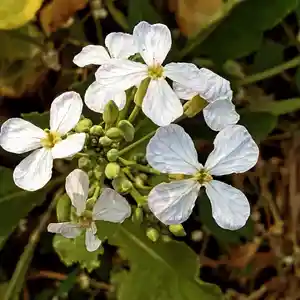
For wild radish, the most favorable period for relocation is amidst the vigorous development of mid to late spring, facilitating a smooth adjustment. Select a bright spot with soil that drains effectively, and gradually introduce wild radish to its new surroundings for optimal outcomes.
What Preparations are Needed Before Transplanting Wild Radish?
What is the Ideal Time for Transplanting Wild Radish?
The best time to move wild radish is in mid-spring. This period supports strong development by aligning with wild radish's natural growth cycle. Relocating wild radish during this season allows it sufficient time to establish robust roots before summer's heat intensifies. By selecting this favorable window, gardeners enhance wild radish's chances of flourishing, ensuring a smooth transition to its new setting.
How Much Space Should You Leave Between Wild Radish Plants?
Transplant wild radish with ample room for expansion. Sufficient distance between each plant ensures proper air circulation and nutrient availability. Ideally, maintain a gap of approximately 1-2 feet (30.5-61 cm) between plants.
What is the Best Soil Mix for Wild Radish Transplanting?
Prepare a rich, well-draining soil base for wild radish. Incorporate a generous amount of compost or organic material before planting to boost soil fertility. A slow-release fertilizer can also provide wild radish with a healthy start.
Where Should You Relocate Your Wild Radish?
Wild radish thrives in sunlight! Select a spot that receives at least 6 hours of sun daily. Ensure the location is not overly exposed to strong winds, to safeguard your delicate wild radish plants.
What Equipments Should You Prepare Before Transplantation Wild Radish?
Gardening Gloves
To shield your hands from dirt and roots while working with the plant.
Shovel or Spade
To assist in removing the wild radish from its initial spot, whether it's in a pot, a seedling tray, or the ground, and for planting it in the new location.
Watering Can
To hydrate the wild radish before and after relocation.
Pruners
To trim and remove any dead or damaged parts from the wild radish if necessary.
Organic Compost/Mulch
To enrich the soil in the new site and encourage vigorous growth.
How Do You Remove Wild Radish from the Soil?
How Do You Remove Wild Radish from the Soil?
From Ground: First, water the wild radish to moisten the soil. Then, dig a wide trench around the plant using your gardening shovel or spade. This prevents damage to the plant's root ball. Once the trench is deep enough, gently work your spade under the root ball to lift the plant from its position.From Pot: Begin by watering the wild radish in the pot. Next, turn the pot sideways, hold the plant gently by its base, and pull it out. The damp soil will allow the roots to slide out more easily.From Seedling Tray: Water the tray first. The moisture in the soil will enable you to gently push the seedling from the bottom. Always hold the wild radish by its leaves, not its stem, when removing it. Care must be taken not to harm the roots or stem during this process.
Step-by-Step Guide for Transplanting Wild Radish
Preparation
Begin by preparing the new site. Dig a hole as deep as and twice as wide as the wild radishâs root ball. At the bottom of the hole, add some compost.
Planting
Position your wild radish in the center of the hole, spreading the roots out if needed. Backfill the hole with soil, completely covering the roots, but ensuring that the stem's base (where it meets the root) is at ground level. Firm the soil around the plant.
Watering
After transplanting, water the wild radish thoroughly. This will help the soil settle around the roots and lessen transplant shock.
How Do You Care For Wild Radish After Transplanting?
Watering
Keep the soil around the wild radish moist but avoid overwatering. Frequent, lighter irrigation is preferable to less frequent, heavy watering.
Pruning
Snip off any withered flowers or leaves to encourage new growth. Be careful not to harm the stems and leave the healthy foliage intact.
Weed Control
Keep the area around the wild radish free of weeds as they can compete with your plant for water and nutrients. Hand pull or carefully use a hoe to eliminate them. However, be cautious not to damage wild radishâs roots when removing weeds.
Monitoring
Observe your plant for signs of diseases or pests. If you notice any unusual changes, take immediate action to prevent harm to your wild radish.
Troubleshooting Common Issues with Wild Radish Transplantation.
When should I transplant wild radish to ensure best growth?
Wild radish prefers to be moved during late spring to early summer (S2-S3). This offers ideal conditions for establishment and development.
What is the optimal spacing for wild radish when transplanting?
For healthy development, wild radish should be spaced approximately 1-2 feet (30-61 cm) apart. This ensures each plant receives adequate sunlight and nutrients from the soil.
What kind of soil is best for transplanting wild radish?
Wild radish thrives in well-drained, fertile soil. Enriching the soil with organic matter can enhance nutrient content and boost plant vitality.
What lighting conditions are ideal for wild radish after transplanting?
Wild radish requires full sun for optimal growth. Ensure your planting location receives at least 6 hours of sunlight daily.
How should I water wild radish after transplanting?
Initially, water wild radish thoroughly after transplanting. Once established, maintain moderate watering, allowing the soil to dry out slightly between waterings.
Can I transplant wild radish to a pot?
Yes, wild radish can flourish well in both gardens and pots. However, ensure the pot has sufficient drainage and is deep enough to accommodate the roots.
Why do my transplanted wild radish plants look stressed?
Transplanting can be stressful for plants. If your wild radish appears stressed, it may be due to transplant shock. Continue to provide proper care, and they should recover.
My transplanted wild radish is not growing well, what could be the problem?
Poor growth can stem from incorrect spacing, light, or water conditions. Evaluate your plant's environment, ensuring it has optimal conditions as per the guidelines above.
Why are the leaves of my transplanted wild radish turning yellow?
Yellow leaves can indicate overwatering or a nutrient deficiency. Review your watering routine, and consider supplementing with a balanced, slow-release fertilizer.
Can I transplant wild radish multiple times?
While wild radish is quite resilient, multiple relocations can stress the plant. Try to limit moves as much as possible to preserve its health and vigor.



