How to Transplant Creeping buttercup?
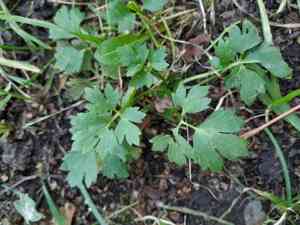
Choose the onset of spring, specifically from early to mid-season, for relocating creeping buttercup. This plant flourishes in damp, adequately drained soil and dappled light. Carefully facilitate root expansion to aid its settling.
Preparations Required Before Relocating Creeping Buttercup
Optimal Period for Creeping Buttercup Relocation?
The prime time for moving creeping buttercup is at the onset of spring or during its mid-rejuvenation phase. Transplanting then ensures strong root development and minimizes stress on creeping buttercup. This season leverages rising soil temperatures and increased daylight, creating an ideal environment for creeping buttercup to flourish post-transplant. This timing also aligns with the plant's natural growth cycle, promoting vigorous development before summer's heat.
Recommended Spacing Between Creeping Buttercup Plants?
For successful gardening! When preparing to transplant creeping buttercup, maintain a distance of approximately 1-2 feet (30-60 cm) between each plant. This provides ample room for them to reach their full growth potential.
Ideal Soil Mixture for Creeping Buttercup Transplanting?
Healthy soil leads to happy plants! Creeping buttercup thrives in well-drained soil enriched with organic matter. Quality compost can serve as a foundational fertilizer, replenishing vital nutrients and fostering robust growth.
Where to Replant Your Creeping Buttercup?
Selecting the appropriate location for creeping buttercup is crucial. It flourishes in conditions ranging from full sun to partial shade. This means any spot receiving direct sunlight for at least half the day would be an excellent choice. Enjoy your gardening!
Equipment Needed Before Transplanting Creeping Buttercup
Gardening Gloves
To safeguard your hands, as you will be digging and handling soil and plants.
Trowel or Small Shovel
Essential for excavating the planting hole for the creeping buttercup.
Watering Can or Hose
For hydrating the creeping buttercup both before and after its relocation.
Gardening Pruners
Used to trim overgrown or dead sections of the creeping buttercup prior to and following transplantation.
Wheelbarrow or Bucket
Necessary for transporting and positioning the creeping buttercup into its new location.
How to Extract Creeping Buttercup from the Soil?
How to Extract Creeping Buttercup from the Soil?
From Ground: Provide a gentle watering the day prior to facilitate easier removal. Then, using your trowel or small shovel, carefully begin digging a circle around the base of the creeping buttercup, aiming to include as much of the root system as possible. Gently pry the creeping buttercup from underneath, gradually loosening the plant from the soil. Hold the base of the creeping buttercup while lifting it to ensure maximum root retention. From Pot: If in a container, consider watering it an hour before the procedure. Carefully tilt the pot sideways, supporting the creeping buttercup at its base with your hand. Then, gently slide the creeping buttercup out of its pot. Avoid pulling the plant, as this can harm stems and roots. From Seedling Tray: Water the seedlings beforehand; this will bind the soil, making the transfer smoother. Gently grasp the base of the creeping buttercup and use a spoon or small gardening tool to scoop out the seedling, ensuring to include as many roots as possible.
Step-by-Step Guide for Relocating Creeping Buttercup
Preparation
Begin by thoroughly watering the creeping buttercup a day before transplanting; this helps reduce transplant shock. Trim any excessively long or dead parts of the creeping buttercup using your garden pruners.
Hole Preparation
Excavate a hole using your trowel or small shovel where you intend to move the creeping buttercup. The hole should be twice the width and the same depth as the creeping buttercup's root ball.
Planting
Carefully place the creeping buttercup into the hole. Gently spread its roots and backfill the hole with soil, firming the soil around the creeping buttercup to secure it in place.
Watering
Once the soil is firmed, water the creeping buttercup generously. This will further settle the soil and eliminate any air pockets. Ensure the soil is moist but not waterlogged.
Post-Transplant Care for Creeping Buttercup
Inspection
Regularly check your newly transplanted creeping buttercup for any indications of stress, such as wilting or discoloration.
Pruning
In the initial days following transplantation, trim back any elongated or sparse growth to encourage a bushier habit.
Watering
While the creeping buttercup establishes its roots, water it deeply and consistently, but be cautious not to overwater – the soil should feel damp, not saturated.
Protection
For the first few weeks after transplanting, it may be beneficial to shield the creeping buttercup from strong winds or intense sunlight using a shade cloth or windbreak structure.
Resolving Common Issues with Creeping Buttercup Transplantation.
What is the optimal season to transplant creeping buttercup?
The ideal period to relocate creeping buttercup is between S1-S2. Transplanting during this time maximizes its growth potential.
How much space is needed between creeping buttercup plants?
Allowing each creeping buttercup 1-2 feet (30-60 cm) of space will enable them to flourish without competing for nutrients or sunlight.
What soil conditions are best for creeping buttercup?
Creeping buttercup prefers well-drained soil enriched with organic matter. A slightly acidic to neutral pH is optimal for best results.
How much sunlight does creeping buttercup require?
Creeping buttercup can thrive in both full sun and partial shade. However, a location with morning sun and afternoon shade is most favorable.
How deep should I plant creeping buttercup?
Transplant creeping buttercup at the same depth as its original position. The top of the root ball should be level with the soil surface.
How much water does creeping buttercup need after transplanting?
Initially, water creeping buttercup thoroughly, then once per week or more in hot conditions. However, avoid excessive watering as it can lead to rot.
Should I fertilize creeping buttercup after transplanting?
To stimulate growth, apply a slow-release fertilizer to creeping buttercup after transplanting. Do not over-fertilize to prevent root burn.
Can I transplant creeping buttercup into a pot or container?
Yes, you can. Ensure the container is wide. A depth of 10-12 inches (25-30 cm) is sufficient for creeping buttercup's roots to spread.
What should I do if the transplanted creeping buttercup wilts?
If creeping buttercup wilts, it might require more water. Additionally, check for adequate sunlight or any pest infestations.
What if my creeping buttercup is not blooming post-transplant?
Patience, my friend! If creeping buttercup isn't blooming, it is likely establishing and rooting. Continue its care. Blooms will appear in due course.



