How to Transplant Greater creeping spearwort?
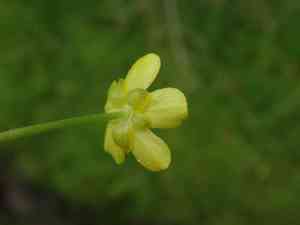
For optimal results, relocate greater creeping spearwort during the mild weather of late spring to summer, facilitating a seamless adjustment. Select a location featuring damp earth and dappled sunlight. Bear in mind that preserving steady hydration is crucial for greater creeping spearwort's successful growth after being moved.
Preparations Required Before Relocating Greater Creeping Spearwort?
Optimal Timing for Greater Creeping Spearwort Transplant?
The best time to move greater creeping spearwort is during the mild conditions of late spring or the warmth of early summer. This period offers stable temperatures, encouraging root growth and adaptation for greater creeping spearwort. Transplanting greater creeping spearwort within this favorable window ensures robust health as the plant settles into its new environment, benefiting from summer's extended daylight and gentle nights.
Recommended Spacing Between Greater Creeping Spearwort Plants?
Ensure ample room for your greater creeping spearwort plants to expand. Aim for a spacing of approximately 1-2 feet (30-60 cm). This provides each plant sufficient area to spread and thrive without overcrowding.
Ideal Soil Blend for Greater Creeping Spearwort Transplanting?
When preparing soil for greater creeping spearwort, select a pH range from slightly acidic to neutral. Incorporate a balanced slow-release fertilizer to supply your greater creeping spearwort plants with essential nutrients for post-transplant growth and vitality.
Optimal Location for Greater Creeping Spearwort Relocation?
Note that greater creeping spearwort prefers abundant sunlight. Select a spot that receives full or partial sun throughout the day. However, excessive intense heat can be detrimental, making partial shade a suitable alternative.
Equipment Needed Before Transplanting Greater Creeping Spearwort?
Gardening Gloves
To safeguard your hands when handling sharp tools and the plant material.
Hand Trowel
A small digging tool for carefully lifting the greater creeping spearwort plant and preparing the new planting site.
Garden Spade
This larger implement is useful for excavating bigger holes and cutting through dense soil or roots.
Watering Can
Essential for moistening the plant before removal and hydrating the soil in its new position.
Plant Marker
This item will help you remember where you have planted your greater creeping spearwort.
Wheelbarrow
If you are extracting greater creeping spearwort from the ground, it can be helpful for transporting the plants.
How to Extract Greater Creeping Spearwort from the Soil?
How to Extract Greater Creeping Spearwort from the Soil?
From Ground: Start by thoroughly saturating the greater creeping spearwort plant to loosen the soil. Next, use your garden spade to carefully dig around the plant. The goal is to keep as much of the root system intact as possible. Proceed cautiously and attempt to lift the plant out, avoiding damage to the root ball.From Pot: Begin by watering the greater creeping spearwort. When removing the plant, grasp it as close to the base as possible. Use your hands to gently coax the plant from the pot, employing slight side-to-side movements to loosen it. Once loosened, carefully pull the plant out while supporting the root ball.From Seedling Tray: Pre-watering the greater creeping spearwort can facilitate easier removal. Using a small tool or your finger, gently ease the seedling out, ensuring you hold it by the leaves and not the stem. Aim to minimize root damage to ensure a smoother transplantation process.
Step-by-Step Guide for Greater Creeping Spearwort Transplanting
Plant Removal
Carefully extract the greater creeping spearwort from its original spot, paying close attention to the integrity of its root system. Remember to carry the plant by its root ball, not by the stem or leaves.
Hole Preparation
Utilize your garden spade or hand trowel to dig a hole in your chosen location. The hole should be approximately twice as wide and deep as the greater creeping spearwort's root ball.
Planting
Position the greater creeping spearwort in the newly dug hole. Place it so that the top of its root ball is level with the ground surface. Then, backfill the area around the plant with soil.
Watering
Water the plant immediately after transplanting. The water must reach the plant's roots to help it recover from the shock of relocation.
Marking
Finally, place a marker next to the greater creeping spearwort to keep track of its planting location. Just ensure it doesn't obstruct sunlight from reaching the plant!
Post-Transplant Care for Greater Creeping Spearwort?
Water Consistency
Maintain consistent watering for the greater creeping spearwort plant following the transplantation process. This aids in the successful establishment of the plant in its new environment.
Monitoring
Keep a close watch on the greater creeping spearwort's development. Observe any wilting or discoloration of the leaves, as these can indicate an issue.
Pruning
Remove any dead or damaged leaves to encourage healthier growth. However, avoid extensive pruning until the greater creeping spearwort is fully established in its new location.
Pest Control
Be vigilant for insects or other pests that could harm greater creeping spearwort and take appropriate measures as needed.
Troubleshooting Common Greater Creeping Spearwort Transplantation Issues.
When is the best time to transplant greater creeping spearwort?
The ideal period to transplant greater creeping spearwort is during stages S3-S6, typically spanning from late spring through summer.
What's the ideal spacing for greater creeping spearwort during transplanting?
When transplanting, ensure a generous space of 1-2 feet (30.5-61 cm) between each greater creeping spearwort to foster healthy growth.
Why are the transplanted greater creeping spearwort leaves turning yellow?
Yellow leaves may indicate watering issues. Ensure greater creeping spearwort receives regular watering, but avoid over-watering which can lead to root rot.
Why isn't my transplanted greater creeping spearwort growing?
Stunted growth often stems from insufficient sunlight or a lack of nutrients. Verify the location for adequate sunlight exposure and assess the soil quality.
What can I do if my greater creeping spearwort wilts after transplantation?
Wilting suggests greater creeping spearwort is experiencing stress. Maintaining moisture balance is crucial; consider watering the plant and providing shade cloth protection from intense sun.
How to treat the brown spots on my transplanted greater creeping spearwort?
Brown spots could be a sign of a fungal infection. Remove any affected parts and consider applying a fungicide according to product instructions.
What type of soil does greater creeping spearwort prefer after transplantation?
Greater creeping spearwort thrives in well-drained, fertile soil rich in organic matter. A pH between 6.0 and 7.0 is optimal for this plant.
How much sun does greater creeping spearwort require post-transplanting?
Greater creeping spearwort flourishes in full sun to partial shade. Therefore, the freshly transplanted greater creeping spearwort should receive at least 6 hours of sunlight daily.
Why are my transplanted greater creeping spearwort's roots rotting and what can I do?
Root rot is frequently caused by excessive watering or poor drainage. Allow the soil to dry out, improve drainage, and consider a fungicide treatment.
How should I water greater creeping spearwort after transplantation?
Greater creeping spearwort prefers consistently moist soil. After transplanting, water it thoroughly and then keep the soil moist, but avoid over-saturating.



