How to Transplant Meadow buttercup?
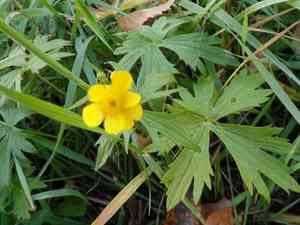
The most suitable period for transplanting meadow buttercup is mid-spring, providing moderate temperatures conducive to root development. Select a brightly illuminated spot with damp earth, guaranteeing meadow buttercup's robust proliferation. Careful manipulation during the transfer helps avert transplant stress.
What Preparations are Needed Before Transplanting Meadow Buttercup?
What is the Ideal Time for Transplanting Meadow Buttercup?
Relocate meadow buttercup in mid-spring. This period offers mild temperatures and soil moisture that is neither excessive nor insufficient, which is perfect for meadow buttercup's root development.
How Much Space Should You Leave Between Meadow Buttercup Plants?
When moving your meadow buttercup, ensure ample room for its growth. Ideally, position each plant approximately 1-2 feet (30-60 cm) from adjacent plants. This provides sufficient area for them to flourish without overcrowding.
What is the Best Soil Mix for Meadow Buttercup Transplanting?
The meadow buttercup thrives in well-drained soil rich in organic matter. Prior to transplanting, incorporate a layer of compost or aged manure into the topsoil of your planting area as a foundational fertilizer. This will provide a nutritional boost, ideal for your plant.
Where Should You Relocate Your Meadow Buttercup?
Select a location for your meadow buttercup that receives ample sunlight. A spot with full sun or partial shade is optimal. Keep in mind that insufficient sunlight can lead to less vigorous growth, so choose your site carefully.
What Equipments Should You Prepare Before Transplantation Meadow Buttercup?
Gardening Gloves
To safeguard your hands while handling soil and the plant.
Spade or Shovel
For excavating the new planting hole and extracting the meadow buttercup from its original spot.
Garden Fork
To loosen the soil at the new planting location. This facilitates easier root spread for the meadow buttercup.
Organic Compost
To enhance the nutritional content of the soil at the new planting site, benefiting the meadow buttercup.
Watering Can with a Rose Attachment
To gently and uniformly water the meadow buttercup without disturbing the soil.
Mulch
To aid in retaining soil moisture around the meadow buttercup after it has been transplanted.
How Do You Remove Meadow Buttercup from the Soil?
How Do You Remove Meadow Buttercup from the Soil?
From Ground: First, water the meadow buttercup to soften the soil for digging. Then, use a spade or shovel to dig a wide circle around the plant, being careful not to cut into the root ball. Work the spade beneath the root ball to gently lift the plant from the ground.From Pot: Begin by thoroughly watering the meadow buttercup in its container. Hold the plant at its base, invert the pot, and tap it to loosen the soil. Slowly and carefully pull the plant out, keeping as much soil as possible attached to the roots.From Seedling Tray: Water the seedlings, then carefully dislodge them using a fork or similar tool. Handle them gently by their leaves to avoid damaging the stem or roots. Aim to keep as much soil around the roots as possible to minimize transplant shock.
Step-by-Step Guide for Transplanting Meadow Buttercup
Preparation
Begin by preparing the new planting area. Using a garden fork, turn over the soil and mix in organic compost to enrich it.
Digging
Use the spade or shovel to create a hole that is twice as wide and equal in depth to the meadow buttercup's root ball. The plant's crown (where the stem meets the roots) should be level with or slightly below the soil surface after planting.
Planting
Carefully place the meadow buttercup into the hole, ensuring it stands upright. Gently backfill the hole, firming the soil around the plant.
Watering
Water the meadow buttercup using a watering can with a rose attachment for gentle and even irrigation. Avoid overwatering, as this can lead to root rot.
Mulching
Finally, apply a layer of mulch around the plant to help retain soil moisture and suppress weed growth.
How Do You Care For Meadow Buttercup After Transplanting?
Watering
Maintain consistent moisture in the soil around the meadow buttercup, without making it waterlogged, for the initial weeks post-transplantation to encourage strong root development.
Pruning
Remove any dead or dying foliage to allow the plant to direct its energy towards new growth. Initially, aim to prioritize the meadow buttercup's energy on root establishment rather than top growth.
Inspection
Observe the meadow buttercup for indications of transplant shock (e.g., wilting leaves, yellowing). If these symptoms persist, consider seeking advice from a local nursery or horticultural expert.
Troubleshooting Common Issues with Meadow Buttercup Transplantation.
What is the best time to transplant meadow buttercup?
The optimal period to move meadow buttercup is from late spring to early summer, aligning with S2-S3. Plant them when temperatures are cooler to lessen transplant shock.
What is the ideal spacing when transplanting meadow buttercup?
When relocating meadow buttercup, ensure a spacing of approximately 1 to 2 feet (30 to 60 cm) between each plant. This provides adequate room for their development.
How deep should I plant meadow buttercup when transplanting?
Bury the roots of meadow buttercup at the same depth they were previously growing. Do not cover the plant's crown, as this could lead to rot.
What kind of soil does meadow buttercup prefer during transplanting?
When transplanting meadow buttercup, choose well-drained soil. Meadow buttercup does not tolerate waterlogged conditions, so ensure proper drainage to prevent root rot.
How often should I water meadow buttercup after transplanting?
Meadow buttercup prefers moist soil but cannot tolerate saturated soil. After transplanting, water every 2-3 days for the first few weeks until it becomes established.
Do I need to prune meadow buttercup before transplanting?
You can lightly prune meadow buttercup before relocating if it is overgrown. This reduces stress on the plant and simplifies the transplanting process.
Why are the leaves of my transplanted meadow buttercup turning yellow?
Yellowing leaves may indicate overwatering or poor drainage. Ensure your transplanted meadow buttercup is not sitting in water and adjust irrigation as needed.
Can meadow buttercup be transplanted in containers?
Yes, you can transplant meadow buttercup into pots or containers. Ensure the container has good drainage and is sufficiently sized to support plant growth.
Why does my transplanted meadow buttercup look droopy?
Droopiness is common after transplanting and typically improves as the plant adapts. However, if it persists, check for proper watering, adequate sunlight, and nutrient-rich soil.
Should I fertilize meadow buttercup immediately after transplanting?
Wait approximately two weeks after transplanting meadow buttercup before applying a slow-release fertilizer. This allows your plant time to acclimate to its new environment.



