How to Transplant Live oak?
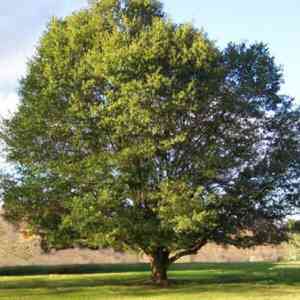
Transplanting live oak is most effective from late spring through midsummer, since the elevated temperatures foster robust root development. Select a site with good drainage and ample sunlight for the specimen. During the transplanting process, carefully untangle the roots to facilitate improved settling.
What Preparations are Needed Before Transplanting Live Oak?
What is the Ideal Time for Transplanting Live Oak?
The best period to move live oak is from late spring to mid-summer. These warmer months offer prime growth conditions, promoting rapid establishment and healthier, more vigorous plants.
How Much Space Should You Leave Between Live Oak Plants?
When relocating your live oak, a good guideline is to position them approximately 60-80 feet (18-24 meters) apart. This ensures proper development and fosters a robust root system.
What is the Best Soil Mix for Live Oak Transplanting?
For optimal outcomes, prepare a well-draining soil mixture with a pH that is slightly acidic to neutral. Incorporate a slow-release, balanced granular fertilizer to provide your live oak with a strong foundation for growth.
Where Should You Relocate Your Live Oak?
Select a site for your live oak that receives full to partial sunlight. Aim for about 6-8 hours of direct sun daily to keep your plant content and flourishing.
What Equipments Should You Prepare Before Transplantation Live Oak?
Gardening Gloves
To safeguard your hands while handling soil and the plant.
Shovel or Spade
For excavating holes in the ground and lifting the plant from its initial spot.
Pruning Shears
To trim and remove any damaged, dead, or unhealthy roots and branches prior to transplanting.
Garden Fork
To loosen the soil in the new planting area, facilitating easier root penetration.
Watering Can or Hose
For hydrating the plant before its removal and after its relocation.
Organic Compost or Soil Amendment
To enhance soil structure and supply nutrients to the plant.
How Do You Remove Live Oak from the Soil?
How Do You Remove Live Oak from the Soil?
- From Ground:First, water the live oak plant to moisten the soil. Next, dig a wide trench around the plant using a shovel or spade, ensuring the plant's root ball remains intact. Carefully work the spade beneath the root ball to lift the plant from its original position.- From Pot:Thoroughly water the live oak plant in its pot to ensure loosened roots. Wearing gloves, place one hand on the soil surface near the plant's base and hold the pot with your other hand. Gently invert the pot and support the plant as it slides out. Avoid pulling the plant; instead, lightly tap the pot or use a knife to loosen the soil along the pot's inner wall if necessary.- From Seedling Tray:Water the live oak seedlings before transplanting. Use a garden knife or a small trowel to carefully remove seedlings from the tray, taking care not to harm roots or stems. Hold them by the root ball or leaves, not by the stem.
Step-by-Step Guide for Transplanting Live Oak
Site Selection
Choose a location with adequate sunlight and room for your live oak plant to reach its mature size.
Soil Preparation
Loosen the soil in the new planting area using a garden fork, and incorporate organic compost or soil amendment to improve the soil's texture.
Digging Hole
Using a shovel, excavate a hole large enough for the live oak plant's root ball, making it at least twice as wide and the same depth as the root ball.
Preparing Plant
Use pruning shears to remove any damaged, dead, or unhealthy roots and branches from the live oak plant before its relocation.
Planting
Gently lower the live oak plant into the hole, ensuring the root ball is positioned at the same depth as it was in its previous location. Fill the hole with soil around the root ball, gently firming it down with your hands.
Watering
Thoroughly water the plant after transplanting, allowing the water to penetrate deeply and settle the soil around the roots.
How Do You Care For Live Oak After Transplanting?
Watering
Keep the soil around the live oak consistently moist, but not waterlogged, for the initial few weeks post-transplant to aid in root establishment.
Mulching
Apply a layer of organic mulch around the base of the live oak plant to help retain moisture, regulate soil temperature, and suppress weeds.
Pruning
Regularly remove dead or damaged branches as the plant grows, fostering strong and healthy development in your live oak plant.
Fertilizing
Approximately 6 weeks after transplanting, apply a slow-release fertilizer around the drip line of the live oak plant to support its growth, following the product's instructions.
Monitoring
Keep a close watch on the overall health of the live oak plant, looking for any indications of stress or disease. Address any issues promptly to ensure a successful transplant.
Troubleshooting Common Issues with Live Oak Transplantation.
When is the best time to transplant live oak?
The optimal period to transplant live oak is between late spring and midsummer, ensuring ideal growth and establishment.
What is the recommended spacing for live oak?
Ensure live oak are spaced approximately 60-80 feet (18-24 meters) apart, providing ample room for them to grow and flourish.
How deep should I dig the planting hole?
Dig the hole to the same depth as the root ball. Typically, about 10-12 inches (25-30 cm) in depth should be sufficient.
How do I ensure proper root growth for live oak?
Gently loosen the roots before planting, and spread them out in the hole. This promotes healthy root development.
How much should I water live oak after transplanting?
Water live oak thoroughly until the soil is uniformly moist. Continue to water regularly, especially during dry spells.
What type of soil should I use for live oak?
Live oak prefers well-draining, slightly acidic soil. Amend the soil with organic matter for improved growing conditions.
How do I protect live oak from transplant shock?
Water consistently, and add a layer of mulch. Consider using a root stimulant or transplanting fertilizer to assist.
How much sunlight does live oak need?
Live oak thrives best in full sun, requiring at least 6 hours of direct sunlight to flourish and remain healthy.
What signs should I look for to check successful transplantation?
Observe for new growth, healthy-looking foliage, and a well-established root system to confirm successful transplantation.
How to care for live oak after transplanting?
Maintain consistent watering, provide necessary nutrients, and periodically check for pests or diseases, ensuring a healthy live oak after transplanting.



