How to Transplant Chinese cork oak?
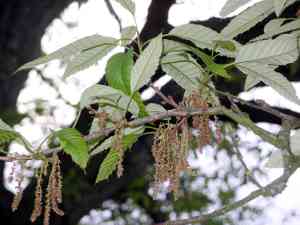
For Chinese cork oak, the arrival of milder weather, as winter recedes, presents an ideal period for effective planting. Select a spot featuring permeable earth and abundant solar exposure. Careful preparation of its new environment fosters vigorous development.
What Preparations are Necessary Before Relocating Chinese Cork Oak?
What is the Optimal Period for Moving Chinese Cork Oak?
The best time for relocating chinese cork oak is during the transition from early to mid-spring. This timing allows roots to settle in mild temperatures before summer's intensity. Planting chinese cork oak in this season leverages its natural growth cycle, promoting strong root development and ensuring a smooth transition, boosting its chances to flourish in its new spot. A move at this point ensures chinese cork oak benefits from spring's growth-enhancing conditions, utilizing ample rainfall and increasing daylight for a successful start.
How Much Space Should You Provide Between Chinese Cork Oak Specimens?
When relocating your chinese cork oak, ensure they are ideally spaced 20-30 feet (approximately 6-9 meters) apart. This allows for healthy growth as they mature and provides them sufficient individual space under the sun.
What is the Best Soil Mixture for Chinese Cork Oak Relocation?
Your chinese cork oak will thrive best in well-drained, moderately fertile soil enriched with a gentle base fertilizer. Small quantities will suffice to avoid overfeeding the plant too much too soon.
Where Should You Replant Your Chinese Cork Oak?
The most suitable relocation site for your chinese cork oak is an area where it will receive at least 6 hours of direct sunlight daily. A south or west-facing position is perfect.
What Tools Should You Prepare Before Relocating Chinese Cork Oak?
Gardening Gloves
These will safeguard your hands while handling the soil and the plant.
Shovel or Spade
You'll need this to excavate a hole for the chinese cork oak and to aid in its removal from its current spot.
Watering Can or Hose
Crucial for keeping the chinese cork oak hydrated throughout the relocation process.
Wheelbarrow
Will assist in transporting the chinese cork oak if it's a larger specimen or if you're moving it a significant distance.
Root Pruning Shears
In case you need to trim any damaged or excessively long roots when extracting chinese cork oak from its present location.
Mulch
To apply around the base of the chinese cork oak after planting, to retain soil moisture and stabilize soil temperature.
Fertilizer
Specific to chinese cork oak, to encourage healthier, faster growth post-relocation.
How Do You Extract Chinese Cork Oak from the Soil?
How Do You Extract Chinese Cork Oak from the Soil?
From Ground: Hydrate the chinese cork oak to moisten the soil before digging any trenches, ensuring the plant's root ball remains intact. Carefully work the spade beneath the root ball to lift the plant from its original spot. Use root pruning shears to trim any damaged roots.From a Pot: Water the chinese cork oak in its container and tilt it sideways, then gently tap the bottom and sides to slide the plant out. Avoid pulling the plant out by its stem or trunk to protect the root ball. If the plant is firmly rooted and doesn't come out easily, you might need to cut the pot away.From a Seedling Tray: Gently push up from the bottom of the tray to lift the chinese cork oak seedling. Relocate later in the day to minimize transplant shock and avoid touching the delicate roots with your fingers; instead, use a fork or spoon to lift them carefully.
Step-by-Step Guide for Relocating Chinese Cork Oak
Preparing the Ground
Dig a hole that is twice as wide and the same depth as the chinese cork oakâs root ball. Amend the excavated soil with recommended compost, if necessary.
Relocating
Position the chinese cork oak in the hole so that the top of the root ball is level with or slightly above the soil surface. Backfill the hole with soil and gently firm it. The plant should be stable in the hole.
Watering
Water the chinese cork oak immediately after relocating. Use a watering can or a gentle spray from a hose and thoroughly moisten the soil, avoiding the leaves.
Mulching
After watering, add a layer of mulch around the base of the chinese cork oak without touching the stem or trunk. This helps the soil retain moisture and regulates soil temperature, promoting root growth.
How Do You Care For Chinese Cork Oak After Relocation?
Watering
Keep the chinese cork oak well-hydrated immediately after relocating, with the soil remaining consistently moist until the plant is established. Reduce watering once the plant shows new growth, indicating good recovery.
Pruning
Prune the chinese cork oak moderately after relocation to compensate for root loss. Prune more from the top than the bottom to encourage a low center of gravity and decrease the plant's wind resistance. Avoid heavy pruning as it may promote excessive leaf growth at the expense of root development.
Monitor Growth
Regularly check for signs of growth or distress. If the chinese cork oak exhibits leaf discoloration, wilting, or stunted growth, it could signal a problem with the relocation process, such as incorrect planting depth or overwatering.
Fertilizing
Wait until the chinese cork oak has begun to establish and display new growth before applying fertilizer. Applying fertilizer too soon can burn the roots and hinder the plant's ability to settle in its new location.
Troubleshooting Common Issues with Chinese Cork Oak Relocation.
When's the perfect time to relocate chinese cork oak?
The optimal period to move chinese cork oak is during 'S1-S2'. This allows them to settle before the active growing season.
What's the ideal distance for planting multiple chinese cork oak saplings?
Plants of chinese cork oak require ample space to grow, so ensure they're spaced 20-30 feet (6-9 meters) apart.
What causes the chinese cork oak to wilt after relocation?
Chinese cork oak can wilt due to transplant shock. To minimize this, gradually acclimate the plant to the new site before relocating.
What kind of soil is suitable for chinese cork oak?
Chinese cork oak prefers well-drained, slightly acidic soils, rich in organic matter. If your soil doesn't meet these needs, consider amending it.
How do I water a newly relocated chinese cork oak?
Water chinese cork oak generously right after planting, then regularly in its first growing season. However, do not overwater as it can lead to root rot.
What if the chinese cork oak's leaves turn yellow after relocation?
Yellow leaves might indicate a need for more water or sunlight, or a nutrient deficiency. Check the plant's conditions to identify and resolve the issue.
Is it possible to relocate a mature chinese cork oak?
Although challenging, you can move a mature chinese cork oak. The key is to preserve most of its root system during the process.
When should I prune chinese cork oak before or after relocating?
Prune chinese cork oak lightly before relocating to reduce water loss. Extensive pruning is best done after the plant has fully established in the new location.
What should I do if the relocated chinese cork oak doesn't grow?
If chinese cork oak shows no growth, ensure it's receiving adequate water, sunlight, and nutrients. If conditions are correct, be patient - recovery may take time.
How deep should the hole be when relocating chinese cork oak?
The hole should be twice as wide and the same depth as chinese cork oak's root ball. This provides roots space to spread and establish.



