How to Transplant Cork oak?
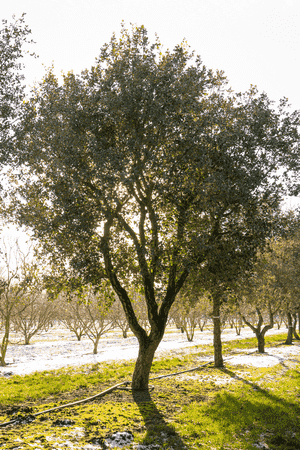
Ideally, the revitalizing period of early spring presents the prime opportunity for cork oak to acclimate and flourish in a different environment. Placing it in sunny, adequately drained spots encourages vigorous development. Careful management of the root mass during transplantation guarantees successful establishment.
Essential Preparations Before Relocating Cork Oak
Optimal Period for Cork Oak Relocation?
The prime time for moving cork oak is during its period of rejuvenation and expansion. This favorable window allows the cork oak sufficient time to develop robust roots prior to the summer heat. Transplanting cork oak at this stage promotes crucial root growth, beneficial for enduring dry spells, ensuring a successful transition to its new location.
Required Spacing Between Cork Oak Plants?
When moving cork oak, ensure ample clearance! Maintain a distance of approximately 30-40 feet (9-12 meters) between each specimen. This provides your plants with the necessary room for vigorous and healthy development.
Ideal Soil Blend for Cork Oak Transplanting?
Provide cork oak with a suitable environment by preparing well-draining soil with a slightly acidic to neutral pH. Incorporate a foundational fertilizer such as composted organic matter for a nutrient-rich base. This will aid your plants in flourishing from the outset!
Optimal Location for Your Cork Oak?
Cork oak thrives in sunlight, so select a site where it will receive full to partial sun daily. Excessive shade can impede growth, so prioritize bright and sunny conditions when choosing the perfect spot for your plant.
Equipment Needed Before Transplanting Cork Oak
Garden Gloves
To safeguard hands while handling the cork oak and its root mass.
Shovel or Spade
Crucial for excavating the hole where the cork oak will be replanted, and for removing the plant from the ground or a larger container.
Hand Trowel
Useful for extracting the cork oak from a small pot or seedling tray.
Gardening Fork
To untangle the roots of the cork oak before planting.
Bucket(s) or Wheelbarrow
For moving the cork oak and soil from one garden area to another without causing undue stress to the plant.
Watering Can
For the initial watering after the cork oak has been moved to its new spot.
Mulch
Helps maintain moisture levels around the planting site.
How to Extract Cork Oak from the Soil
How to Extract Cork Oak from the Soil?
From Ground: First, hydrate the cork oak to moisten the soil, facilitating root extraction. Carefully dig around the perimeter of the cork oak. This should be done at a considerable distance, about 3-4 feet, from the plant to keep its root ball intact. By ensuring the shovel or spade is beneath the root ball, one can then lift the plant from its current location and place it in a bucket or wheelbarrow for transport. From Pot: Tilt the container slightly and gently pull the cork oak by its base. If the plant resists, lightly tap the bottom of the pot to loosen the soil, then try again. From Seedling Tray: Use a small hand trowel to scoop out the cork oak seedling, including its root ball. It is important not to pull by the stems as they are very delicate and can break.
Step-by-Step Guide for Transplanting Cork Oak
Prepare the New Site
Excavate a hole twice the size of the root ball. Incorporate compost into the base of the hole to enrich the soil.
Prepare the cork oak
Use a gardening fork to gently loosen the root ball and remove any old soil. Avoid forcing stubborn roots.
Plant the cork oak
Position the cork oak in the center of the hole. The top of the root ball should be level with the surrounding ground.
Fill the Hole
Backfill the hole with soil, gently firming it as you proceed. Do not compact the soil as this can hinder water penetration.
Water Thoroughly
Use a watering can to thoroughly irrigate the cork oak. This aids in settling the soil around the roots.
Mulching
Apply a layer of mulch around the cork oak but keep it clear of the trunk.
Post-Transplant Care for Cork Oak
Watering
Water the cork oak consistently, especially during dry spells. However, avoid overwatering to prevent root rot.
Pruning
Manage the cork oak's growth with regular trimming.
Pests and Disease
Periodically inspect the cork oak for any indications of pests and diseases. Early detection can lead to simpler treatment.
Support
If the cork oak is tall, it may require support until it is firmly established. Use a stake and ties, placing it on the windward side and securing it at two-thirds of its height.
Frost Protection
Young cork oak may need safeguarding from frost. Use fleece or another type of horticultural fabric for this purpose. Do not use plastic as it can cause sweating and subsequent freezing.
Resolving Common Issues with Cork Oak Transplantation.
What is the optimal time of year to transplant cork oak saplings?
Early to mid-spring (S1-S3) is the best season for transplanting cork oak to allow the sapling time to establish roots.
How much space should I leave between each cork oak?
Each cork oak should be spaced approximately 30-40 feet (9-12 meters) from the next. This provides the plant ample room for growth.
Is there a specific depth to plant cork oak saplings?
Position the cork oak so the top of the root ball is level with or slightly above the surrounding soil. Avoid planting it too deeply.
How should I water the cork oak after transplanting?
Water cork oak thoroughly immediately after planting, and frequently thereafter. Excessive watering can lead to root rot, so ensure proper drainage.
What kind of soil is best for transplanting cork oak?
Cork oak thrives in well-drained, slightly acidic to neutral soil. Amend the planting hole with compost or peat moss if necessary.
How should I prepare the planting hole for the cork oak?
Dig a hole twice as wide and roughly the same depth as the cork oak's root ball. This allows space for root development.
Should I fertilize cork oak after transplanting?
Wait until the second growing season to fertilize cork oak. Over-fertilization can stress the newly transplanted sapling.
What should I do if my transplanted cork oak shows signs of distress?
Investigate for common issues like insufficient watering or disease. Ensure the plant receives adequate space, light, and nutrients.
Is it necessary to stake a transplanted cork oak?
Staking isn't always required, especially if the cork oak is smaller. If staking is needed, use soft ties and do not leave them on for more than a year.
When is the right time to prune cork oak after transplantation?
Wait until the cork oak establishes itself (typically by the second growing season) to prune for shape and health.



