How to Transplant Shumard oak?
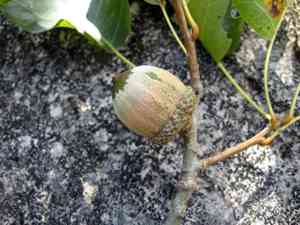
The optimal period for relocating shumard oak is during the invigorating early to mid-spring, as the dormant phase concludes but intense summer warmth has not yet arrived. Select locations with good drainage and abundant solar exposure. Carefully place shumard oak to prevent root shock, facilitating a smooth adaptation.
What Preparations are Needed Before Transplanting Shumard Oak?
What is the Ideal Time for Transplanting Shumard Oak?
The perfect period for relocating shumard oak is during spring, specifically early to mid-season when new growth is ready to begin. Moving shumard oak at this time allows its roots to benefit from spring's mild temperatures and ample rain, helping them establish in their new spot. This timeframe aids recovery from transplant shock, promoting strong growth and enabling shumard oak to flourish in its new home. A friendly reminder: spring's warmth and renewal are crucial for giving shumard oak the best start in its new environment.
How Much Space Should You Leave Between Shumard Oak Plants?
When moving shumard oak, ensure ample room for development. Position each plant approximately 30-50 feet (9-15 meters) apart. This spacing allows shumard oak to extend its branches freely and reach its full size, creating a magnificent natural display!
What is the Best Soil Mix for Shumard Oak Transplanting?
Soil quality is vital for shumard oak's well-being! Choose well-draining, moist soil enriched with a foundational fertilizer. This will supply the essential nutrients shumard oak needs to strengthen its root system and grow beautifully. Remember, healthy soil leads to thriving plants!
Where Should You Relocate Your Shumard Oak?
Select a sunny spot for transplanting shumard oak, as it flourishes with abundant sunlight. An area receiving direct sun for most of the day is optimal. Don't worry if it seems a bit intense; shumard oak loves to absorb the sun's rays!
What Equipments Should You Prepare Before Transplantation Shumard Oak?
Gardening Gloves
To safeguard your hands when handling soil and the shumard oak plant.
Shovel
For excavating the hole to transplant the shumard oak.
Gardening Spade
To assist in loosening the soil when extracting the shumard oak plant from its original site.
Watering Can
To irrigate the shumard oak.
Wheelbarrow
To transport the shumard oak along with its soil.
Organic Matter (Compost)
To enrich the soil at the new location.
Mulch
To safeguard the shumard oak after transplanting.
Stakes
To provide support for the shumard oak.
String
To secure the shumard oak to stakes for stability.
How Do You Remove Shumard Oak from the Soil?
How Do You Remove Shumard Oak from the Soil?
From Ground: Before extracting the shumard oak from the ground, water the plant. This will facilitate digging it up without harming the roots. Using a gardening spade, excavate a trench about 2 feet deep or to a depth that encompasses the roots. Endeavor to keep the root ball of the shumard oak intact and carefully lift the plant from the ground.From Pot: If your shumard oak is in a pot, water it first. Invert the pot while supporting the plant with your other hand, and it should slide out. If the plant remains stuck, you might need a knife to loosen the soil around the pot's edge before trying again.From Seedling Tray: For a seedling or smaller shumard oak, simply grasp by the leaves and gently pull upward. If the seedling is somewhat lodged, try pushing up from the tray's bottom.
Step-by-Step Guide for Transplanting Shumard Oak
Digging
Measure the root ball of your shumard oak and excavate a hole twice as wide and of the same depth as the root ball at the transplant site. The hole should ideally accommodate the plant's roots without being excessively deep.
Placement
Position the shumard oak in the hole, ensuring the top of the root ball is level with the ground surface.
Backfill
Fill the hole with soil, gently firming it around the root ball. Confirm the shumard oak is upright and its roots are adequately covered.
Water
Use the watering can to generously water the plant after planting to settle the soil.
Mulching
Spread a layer of mulch around the base of shumard oak to aid in moisture retention.
Staking
If the shumard oak is a larger or more mature plant, it may require staking for support. Utilize stakes and string to ensure it remains upright while establishing its roots.
How Do You Care For Shumard Oak After Transplanting?
Monitoring
Observe the shumard oak closely for several weeks post-transplant. Watch for indications of shock, such as wilting, yellowing, or shedding leaves.
Watering
Ensure consistent moisture levels. Avoid letting the plant dry out or overwatering it.
Mulching
Replenish the mulch around the shumard oak as necessary to conserve moisture and deter weeds.
Staking
Inspect the stakes and strings to confirm the plant's stability. Adjust them as needed to prevent damage to the tree.
Pruning
Prune your shumard oak when required, but refrain from extensive pruning immediately after the transplant.
Troubleshooting Common Issues with Shumard Oak Transplantation.
What's the best time of year to transplant shumard oak?
The optimal time of year to transplant shumard oak is during S1-S2. This season offers the best conditions for shumard oak's roots to establish effectively.
How far apart should I space my shumard oak when I transplant them?
Considering shumard oak's mature size, ensure a spacing of 30-50 feet (approximately 9-15 meters). This provides ample room for them to reach their full growth potential.
How deeply should I plant shumard oak when I transplant it?
When transplanting shumard oak, plant it to the same depth as its original pot or the depth of its root ball, whichever is greater.
What should I do if the leaves of shumard oak turn yellow after transplanting?
Yellow leaves might signal overwatering or poor drainage. Confirm the soil drains well and avoid excessive watering. If the issue worsens, consider amending the soil.
Why isn't my newly-transplanted shumard oak growing?
Transplant shock could be the cause. Maintain regular watering, ensure adequate sun exposure, and avoid over-fertilizing. Patience is crucial; growth may not be immediately visible.
How frequently should I water the shumard oak after transplanting?
Water shumard oak immediately after transplanting, then consistently in the subsequent weeks. Once established, shumard oak becomes drought-tolerant. Find a balance to prevent both insufficient and excessive watering.
Why is my transplanted shumard oak dropping leaves?
Leaf drop can result from stress due to transplantation. Maintain balanced watering and good sunlight exposure. If the problem persists, check for root disease or pests.
How wide a hole do I need to dig for transplanting the shumard oak?
Dig a hole twice as wide but no deeper than the root ball (or the depth of the pot). This facilitates easier root spread and successful establishment.
Should I prune shumard oak during transplantation?
Avoid significant pruning during the transplanting process. Any necessary pruning should be minimal, targeting only broken or diseased branches to reduce stress on shumard oak.
What type of soil should I use when transplanting shumard oak?
Shumard oak thrives in well-draining soil. It tolerates various soil types but prefers a slightly acidic pH. Consider a soil test to ensure optimal growing conditions.



