How to Transplant Northern red oak?
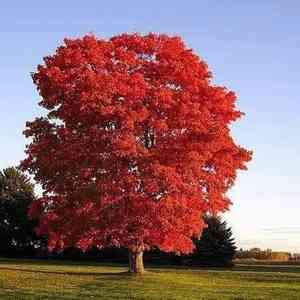
The ideal period for relocating northern red oak is from the end of spring through mid-summer, facilitating prime root establishment. Select a site featuring soil that drains effectively and receives partial to complete sunlight. Carefully managing the root system is a beneficial transplanting suggestion to guarantee a successful move.
What Preparations are Needed Before Transplanting Northern Red Oak?
What is the Ideal Time for Transplanting Northern Red Oak?
The optimal period for relocating northern red oak spans from late spring to mid-summer, providing warmer soil and prime growth conditions. Transplanting at this time guarantees faster establishment, stronger root development, and healthier plants overall.
How Much Space Should You Leave Between Northern Red Oak Plants?
When moving your northern red oak, ensure a separation of approximately 50-70 feet (15-21 meters) between them. This provides ample room for growth and the development of a robust root system.
What is the Best Soil Mix for Northern Red Oak Transplanting?
For northern red oak, utilize a well-draining soil mixture with a pH between 5.0-7.0, and incorporate a balanced, slow-release fertilizer to prepare the ground. This aids in proper development and sustained nourishment.
Where Should You Relocate Your Northern Red Oak?
Select a site for your northern red oak that receives a minimum of 6 hours of direct sunlight daily. A sunny spot with some afternoon shade would be perfect for this hardy tree.
What Equipments Should You Prepare Before Transplantation Northern Red Oak?
Gardening Gloves
To safeguard your hands while handling soil and the plant.
Shovel or Spade
For excavating the hole to transplant the northern red oak and for extracting it from its initial spot.
Garden Shears or Pruners
To trim any impaired roots or branches.
Tarp or Wheelbarrow
To move the northern red oak from its original location to the new planting site.
Watering Can or Hose
To hydrate the northern red oak prior to and following transplantation.
Stakes and Ties
For providing support to the northern red oak after transplanting, if required.
How Do You Remove Northern Red Oak from the Soil?
How Do You Remove Northern Red Oak from the Soil?
- From Ground:First, moisten the northern red oak plant to dampen the soil. Next, excavate a wide trench around the plant using a shovel or spade, ensuring the plant's root ball remains intact. Carefully work the spade beneath the root ball to lift the plant from its initial position.- From Pot:Water the northern red oak in its container and allow it to sit for a few moments to help loosen the soil from the pot's sides. Gently tilt the pot, and slide the northern red oak out while supporting the root ball with your hand.- From Seedling Tray:Once the northern red oak has reached an appropriate size in a seedling tray, moisten the soil to facilitate removal. Gently grasp the stem's base between your fingers and lift the plant while supporting the root ball.
Step-by-Step Guide for Transplanting Northern Red Oak
Site Selection
Choose a location with adequate sunlight and room for your northern red oak plant to reach its mature size.
Dig a Hole
Use a shovel or spade to excavate a hole in your chosen spot, ensuring it's wide and deep enough for the root ball. The hole should be at least two to three times wider than the root ball and as deep as the root ball's height.
Trim Roots and Branches
Use garden shears or pruners to remove any damaged or circling roots and branches on the northern red oak.
Position the Plant
Place the northern red oak into the hole, making sure the root ball is level with the ground. Spread the roots out in the hole if they are tightly bound or circling.
Backfill the Hole
Refill the hole with the same soil you removed during excavation, ensuring to gently compact the soil around the root ball to eliminate air pockets.
Water Thoroughly
Deeply water the northern red oak after transplanting, allowing the water to settle the soil around the roots. You might need to add more soil if it settles too much.
Stake if Necessary
If your northern red oak requires additional support, install stakes around the plant and secure them with soft ties to keep it upright and prevent wind damage.
How Do You Care For Northern Red Oak After Transplanting?
Watering
Keep the soil around the northern red oak consistently moist, but not waterlogged, for the initial weeks post-transplant to aid in strong root establishment.
Mulching
Apply a 5 cm toUNIT_CONVERT_START_3 inches_UNIT_CONVERT_STARTlayer of organic mulch around the base of the northern red oak, keeping it a few inches away from the trunk, to help retain moisture, regulate soil temperature, and suppress weeds.
Monitoring
Regularly check for indications of transplant stress, such as wilting leaves or stunted growth, and address any issues promptly.
Pruning
Prune the northern red oak as needed to maintain its form and remove any dead or damaged branches.
Fertilization
Avoid using fertilizer for the first few months after transplanting, as the northern red oak will need time to adjust to its new environment. Begin fertilizing according to the specific needs of your northern red oak after it has settled in and started growing.
Troubleshooting Common Issues with Northern Red Oak Transplantation.
When is the best time to transplant northern red oak?
The optimal period for relocating northern red oak is from late spring to midsummer, ensuring the best conditions for successful growth.
What is the recommended spacing for northern red oak?
A suitable spacing of approximately 50-70 feet (15-21 meters) between northern red oak trees is advised to allow for ample growth.
How deep should the planting hole be for northern red oak?
Excavate a hole twice the width and as deep as the root ball. This provides sufficient space for root establishment.
How do I ensure sufficient moisture when transplanting northern red oak?
Water thoroughly after planting and maintain consistent moisture, especially during the initial growing season and dry periods.
Should I add any fertilizer or additives when transplanting northern red oak?
Incorporate organic matter, such as compost, into the soil. Fertilizers can be added after a few weeks, but avoid excessive fertilization.
What is the preferred soil type for northern red oak?
Northern red oak thrives in well-draining, loamy soil with a pH range of 5.0-6.5. Avoid dense clay or waterlogged soils.
How much sun exposure does northern red oak require?
For optimal development, plant northern red oak in a location with full sun exposure for at least 6 hours daily.
How to prune roots before transplanting northern red oak?
Trim any damaged or excessively long roots, but avoid removing more than 20% of the total root mass.
What should I do if northern red oak shows transplant shock?
Keep the tree well-hydrated, mulch around the base to conserve moisture, and consider adding a root stimulator to encourage growth.
How to properly mulch and stake northern red oak after transplanting?
Apply 2-4 inches (5-10 cm) of mulch, keeping it 6 inches (15 cm) away from the trunk. Stake only if necessary, and not too tightly.



