How to Transplant English oak?
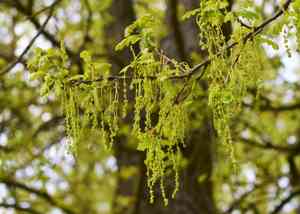
The most favorable period for relocating english oak is within the pleasant interval from the close of summer to the beginning of fall. Select a site featuring soil that drains effectively and receives abundant solar exposure. During the transplantation process, ensure adequate room is allocated for english oak's expansive root structure to flourish.
What Preparations are Needed Before Transplanting English Oak?
What is the Ideal Time for Transplanting English Oak?
Moving english oak from late summer to early autumn is optimal. This timeframe allows english oak to establish its root system prior to the onset of winter frosts. This can lead to more robust and vigorous development. Remember, english oak flourishes with patient and diligent care.
How Much Space Should You Leave Between English Oak Plants?
When transplanting english oak, ensure a spacing of 30-50 feet (9-15 meters) between each plant to accommodate their eventual size.
What is the Best Soil Mix for English Oak Transplanting?
Select a soil that drains well for english oak and incorporate a foundational fertilizer, such as composted organic material, to enhance nutrient content and moisture retention.
Where Should You Relocate Your English Oak?
Choose a site that provides english oak with at least 4-6 hours of direct sunlight daily, and confirm the area is not prone to waterlogging or flooding.
What Equipments Should You Prepare Before Transplantation English Oak?
Shovel
To excavate an appropriate hole for the english oak's rootball.
Gardening Gloves
To safeguard your hands during gardening activities.
Watering Can/Hose
To adequately hydrate english oak during and after the relocation.
Gardening Fork
To loosen the soil surrounding english oak.
Burlap
Utilized for wrapping the root ball during relocation to minimize stress.
Pruning Shears
To trim or prune english oak as needed.
Wheelbarrow
To transport english oak from its original spot to the new planting site.
Mulch
To apply on the soil surface after transplanting to conserve moisture and improve soil health.
How Do You Remove English Oak from the Soil?
How Do You Remove English Oak from the Soil?
From Ground: Start by moistening the soil around english oak to facilitate removal. Using a gardening fork, carefully loosen the soil around the roots. Then, dig a wide circle around english oak with a shovel, being careful not to harm the roots. Once the soil is loose, gently slide the shovel beneath the root ball, and use your hand to support english oak as you lift it from the ground.From Pot: Begin by watering english oak until the soil is damp, but not saturated. Carefully turn the pot sideways and use your other hand to catch the plant as it slides out, ensuring support for the root ball. If english oak is stuck, you can tap the bottom or sides of the pot to help release it.From Seedling Tray: Water the seedlings first, allowing for absorption. Then, with a spoon or small tool, gently ease each english oak from the tray, lifting from under the leafy part, not pulling. It's crucial to handle them delicately to prevent root damage.
Step-by-Step Guide for Transplanting English Oak
Preparation
Submerge the english oak's root ball in water immediately after excavation to lessen transplant shock.
Hole Preparation
Use a shovel to dig a hole twice as wide and equal in depth to the root ball. The broad hole allows roots easy access to air and room to spread.
Transplanting
Carefully position english oak in the center of the prepared hole, ensuring the top of the root ball is level with the ground. Backfill the hole with soil, making sure no roots are exposed.
Watering
Water english oak generously immediately after transplanting to ensure the root ball and surrounding soil are thoroughly moistened.
Mulching
Apply a 2-3 inch layer of mulch on the soil surface around english oak, ensuring it does not touch the trunk.
Staking
For larger english oak trees, it can be beneficial to stake the tree for the initial year to ensure straight growth and protection from winds.
How Do You Care For English Oak After Transplanting?
Monitoring
Observe your english oak closely to see how it adapts to its new environment. Watch for any signs of stress such as wilting or discoloration.
Watering
Appropriate watering is vital after english oak is transplanted. Water it deeply and consistently, allowing the water to penetrate rather than run off.
Attention to Fall Foliage
As english oak are deciduous, do not be concerned when leaves turn brown and drop in autumn; this is a natural process.
Pruning
Prune english oak the following spring after transplanting to encourage healthy growth. Only remove dead or damaged branches in the first year.
Protection
Utilize a tree guard to shield young english oak from wildlife.
Troubleshooting Common Issues with English Oak Transplantation.
When is the best time to move english oak to a new location?
The optimal period for transplanting english oak spans from late summer to early fall. This allows the plant to establish a robust root system before winter's arrival.
How much space should I allow between each english oak when transplanting?
A distance of 30 to 50 feet (9 to 15 meters) should be maintained between each english oak. This provides the plant ample room to grow and thrive without competition.
My english oak seems unwell after transplanting. What might be the issue?
Transplant shock can manifest as wilting or yellowing leaves. Maintain proper hydration, avoid excessive sun exposure, and ensure adequate spacing to alleviate this condition.
How should I prepare the soil before planting english oak?
Ensure the soil is well-drained and rich in organic matter. Test the pH level to confirm it is between 4.5 and 7.5, as english oak flourishes within this range.
What is the proper planting depth for english oak?
To give english oak the best chance, plant it at the same depth it was growing in its previous spot. The top of the root ball should be level with the soil surface.
Is full sunlight important when transplanting english oak?
English oak, while appreciating some sunlight, can tolerate shaded areas. However, ensure it receives at least 4-6 hours of sunlight daily for improved growth.
How frequently should I water my newly transplanted english oak?
Water english oak immediately after transplanting. Then, continue watering deeply a couple of times per week until new growth indicates successful transplantation.
Should I use any special fertilizer while transplanting english oak?
A slow-release fertilizer can be beneficial but is not essential. If you opt to use it, apply according to package directions to promote healthy development.
My english oak is showing yellow leaves after transplanting. What can be the reason?
Yellowing leaves can indicate overwatering. Check the soil's moisture level. If it's consistently wet, reduce your watering frequency to prevent root rot.
Is wind a factor when transplanting english oak?
Yes, english oak can be susceptible to winds, especially when newly transplanted. Consider placing it in a location with some wind protection, or stake it for additional support.



