How to Transplant Cherrybark oak?
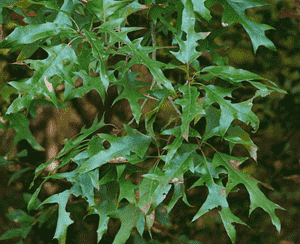
Relocate cherrybark oak during the vibrant period of late spring transitioning into early summer to facilitate superior root development. Select a site featuring fertile, adequately draining earth and ample sunlight. Provide sufficient room for expansion, ensuring a smooth integration into its new environment.
What Preparations are Needed Before Transplanting Cherrybark Oak?
What is the Ideal Time for Transplanting Cherrybark Oak?
The optimal period for relocating cherrybark oak is as spring blooms fade, yet prior to summer's intense heat. Moving them during this gentle transition allows roots to establish in warm, stable soil, promoting robust growth. This timing ensures a smooth adaptation to the new site, with ample time for deep rooting before winter, setting the stage for future vitality.
How Much Space Should You Leave Between Cherrybark Oak Plants?
When preparing to rehome cherrybark oak, ensure ample spacing. Aim for approximately 24-60 feet (7.3-18.3 meters) between each specimen to accommodate their mature spread over time.
What is the Best Soil Mix for Cherrybark Oak Transplanting?
For cherrybark oak, selecting the appropriate site begins with the soil. You'll need well-draining soil, rich in organic matter. Before planting, incorporate compost to provide a strong start, and consider a balanced fertilizer to aid their transition.
Where Should You Relocate Your Cherrybark Oak?
Ensure cherrybark oak receives abundant sunlight in its new location. A spot with full sun exposure is ideal. This will provide the energy needed for vigorous growth. A sunny location makes for a happy cherrybark oak!
What Equipments Should You Prepare Before Transplantation Cherrybark Oak?
Shovel or Spade
To carefully excavate the cherrybark oak with its root ball intact.
Garden Fork
To loosen the soil surrounding the cherrybark oak and assist in lifting the plant.
Pruning Shears
To trim any damaged or excessively long roots prior to transplanting.
Wheelbarrow or Tarp
To move the cherrybark oak from its original spot to the new planting site.
Watering Can or Hose
To hydrate the cherrybark oak before removal and after planting.
Gardening Gloves
To safeguard your hands while handling soil and the plant.
How Do You Remove Cherrybark Oak from the Soil?
How Do You Remove Cherrybark Oak from the Soil?
From Ground: First, thoroughly water the cherrybark oak the day before transplanting to help the soil adhere. Use a shovel or spade to dig a wide trench around the plant, ensuring sufficient depth to encompass the entire root ball. Gently pry beneath the root ball with the shovel or garden fork, taking care not to harm the roots, and carefully lift the cherrybark oak from the ground.From Pot: Water the cherrybark oak to facilitate the easy release of roots and soil. Tilt the pot sideways and gently tap or squeeze its sides to loosen the root ball. Use your hands or a gentle pull to carefully extract the cherrybark oak while preserving its root structure.From Seedling Tray: Water the seedlings to moisten the soil. Use a spoon or a small tool to lift the cherrybark oak from its individual cell, ensuring support for the root ball and avoiding root disturbance.
Step-by-Step Guide for Transplanting Cherrybark Oak
Prepare the New Location
Dig a planting hole in the ground that is twice the width and the same depth as the cherrybark oak's root ball. Loosen the soil at the bottom of the hole with a garden fork to promote better root development.
Root Pruning
Inspect the cherrybark oak's root ball and trim any roots that are broken, damaged, or excessively long to encourage new root growth.
Placing the Plant
Carefully position the cherrybark oak in the center of the prepared hole, ensuring it sits at the same level as it did in its original location. The top of the root ball should be flush with the surrounding soil surface.
Refilling the Hole
Begin to backfill the hole with the excavated soil. Gently firm the soil around the root ball to eliminate air pockets and ensure good root-to-soil contact.
Watering after Transplant
Water the cherrybark oak generously immediately after transplanting to help settle the soil and provide essential moisture for the roots.
How Do You Care For Cherrybark Oak After Transplanting?
Mulching
Apply a layer of mulch around the base of the cherrybark oak to help retain soil moisture and moderate soil temperature.
Monitoring
Regularly inspect the cherrybark oak for signs of stress, such as wilting or discolored leaves, and address any issues promptly.
Staking
If the cherrybark oak is tall or in a windy area, staking may be necessary to provide support until the root system is established.
Pruning
Prune any broken or damaged branches to direct the cherrybark oak's energy towards root establishment.
Regular Watering
Provide the cherrybark oak with consistent watering, especially during the initial months after transplanting, to encourage strong root development.
Troubleshooting Common Issues with Cherrybark Oak Transplantation.
What's the best time of year to transplant cherrybark oak?
Relocate cherrybark oak during the favorable period from late spring to early summer, when conditions are mild.
How far apart should I plant cherrybark oak saplings?
Allow ample space for growth by planting saplings 24-60 feet (7.3-18.3 meters) apart. This ensures sufficient light and nutrient access.
How do I prepare the soil for cherrybark oak transplantation?
Improve soil structure and fertility by enriching it with organic matter. Good drainage is vital for cherrybark oak development.
What size should the planting hole be for cherrybark oak?
Excavate a hole that is twice the width of the root ball and of equal depth to allow roots to spread easily.
How much water does cherrybark oak need after transplanting?
Water cherrybark oak thoroughly post-transplant to settle soil around roots and continue providing 1-2 inches (2.5-5 cm) weekly.
Should I fertilize cherrybark oak immediately after transplanting?
Avoid immediate fertilization after transplanting. Wait until cherrybark oak is established, then apply a balanced fertilizer according to specific guidelines.
Why are the leaves on my transplanted cherrybark oak wilting?
Wilting may indicate transplant shock. Ensure adequate, but not excessive, watering, and shield cherrybark oak from strong winds or extreme temperatures.
How do I protect my newly transplanted cherrybark oak from wind?
Stabilize cherrybark oak with stakes, especially if planted in an exposed location, to prevent wind damage and root disturbance.
What should I do if the transplanted cherrybark oak shows no growth?
Be patient; cherrybark oak might experience transplant shock. Continue proper care, and it should resume growth once acclimated.
Can I transplant cherrybark oak in cooler weather?
It's preferable to wait for milder temperatures. If necessary, ensure the ground isn't frozen or waterlogged and provide frost protection.



