How to Transplant Chinquapin oak?
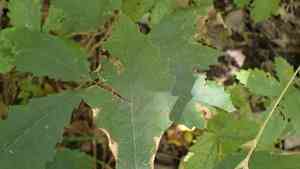
The optimal period for relocating chinquapin oak is during the gentle warmth of early spring, which fosters development. Choose a location bathed in sunlight with soil that drains effectively to encourage robust rooting. Providing sufficient room reflects the enduring strength of a mature oak.
What Preparations are Needed Before Transplanting Chinquapin Oak?
What is the Ideal Time for Transplanting Chinquapin Oak?
The optimal period to relocate chinquapin oak is during the initial stages of early spring or the onset of mid-spring. This timing permits chinquapin oak to establish its root system in the warming ground prior to the summer heat, providing a smooth transition and prime growth conditions. By situating your chinquapin oak during this interval, you're giving it a head start to flourish, utilizing nature's cycle of rejuvenation. Furthermore, spring's frequent rainfall assists in root establishment without requiring additional irrigation efforts.
How Much Space Should You Leave Between Chinquapin Oak Plants?
For chinquapin oak, ample room for growth is essential. Ideally, aim for a separation of approximately 50-60 feet (15-18 meters) between each specimen. This distance will provide your future large tree with sufficient area to thrive!
What is the Best Soil Mix for Chinquapin Oak Transplanting?
A flourishing chinquapin oak depends on its soil! Your chinquapin oak prefers well-drained, slightly acidic soil. Before transplanting, enrich your garden soil with compost or organic matter, and incorporate some foundational fertilizer. These steps will make your chinquapin oak feel perfectly at home!
Where Should You Relocate Your Chinquapin Oak?
Ready to locate the perfect spot for your chinquapin oak? It's simple! Your chinquapin oak loves sunlight and can tolerate full sun to partial shade. Find a location that offers these conditions to help your chinquapin oak prosper!
What Equipments Should You Prepare Before Transplantation Chinquapin Oak?
Gardening Gloves
To safeguard your hands while handling the plant and soil.
Hand Trowel
Perfect for excavating small holes and useful during the relocation process.
Shovel or Spade
Crucial for extracting the plant from its original spot, and for preparing the new planting site.
Watering Can
An essential item to ensure the plant receives adequate moisture during the transplant procedure.
Mulch
Helps to maintain soil moisture levels after the transplant.
Pruning Shears
To trim away any damaged or diseased branches, if necessary.
How Do You Remove Chinquapin Oak from the Soil?
How Do You Remove Chinquapin Oak from the Soil?
From Ground: If the chinquapin oak is currently in the ground, begin by thoroughly saturating the surrounding soil to moisten it. This facilitates easier digging without harming the root ball. Carefully excavate a wide circle around the tree using a shovel or spade, ensuring the root ball remains intact. Gradually work the spade beneath the root ball, and lift the plant from the ground.From Pot: If the chinquapin oak is in a container, water it thoroughly, then tilt the pot and gently pull the tree by its base. Be careful not to tug forcefully; the plant should slide out easily from the wet soil.From Seedling Tray: If the chinquapin oak is in a seedling tray, start by watering the tray, then gently ease the seedling out with a hand trowel or your fingers. Remember to hold it by its leaves, as the stems are still delicate and unintentional damage can negatively impact the plant's development.
Step-by-Step Guide for Transplanting Chinquapin Oak
Hole Preparation
Excavate a hole that is two to three times wider than the chinquapin oak's root ball. Ensure the hole is deep enough for the plant to sit at the same level as it was in its previous location.
Plant Positioning
Place the chinquapin oak in the center of the hole. Gently spread out the roots and remove any broken or damaged ones.
Backfilling
Fill the hole halfway with the same soil you removed. Water it lightly to settle the soil around the root ball. Once it has drained, fill the remainder of the hole.
Watering
Water the chinquapin oak immediately after planting. Provide sufficient water to saturate the roots to help the plant acclimate to its new environment.
Mulching
Apply a layer of mulch around the base of the plant. This aids in retaining soil moisture and regulating temperature. Ensure the mulch does not touch the trunk to prevent rot.
How Do You Care For Chinquapin Oak After Transplanting?
Checking
During the initial weeks following transplanting, regularly inspect the chinquapin oak to confirm it is adapting well. Look for new growth as an indicator that it has settled into its new spot.
Watering
Water the tree consistently and deeply, especially during dry spells. Prevent the soil from completely drying out. Each watering should penetrate deep into the root ball to encourage profound root development.
Pruning
Avoid pruning the tree immediately after planting. Wait for at least a year and then only prune the tree if necessary.
Protection
Utilize tree guards or a fence to shield the young tree from animals or damage from lawn maintenance equipment.
Troubleshooting Common Issues with Chinquapin Oak Transplantation.
When is the best time of year to move chinquapin oak?
The optimal period to transplant chinquapin oak is during its dormant phases, typically from early spring to late summer.
How much space does chinquapin oak need while transplanting?
Chinquapin oak requires ample room to grow. Ideally, allow a distance of 50-60 feet (approximately 15-18 meters) between each plant.
What measures should I take if chinquapin oak shows signs of transplant shock?
Firstly, maintain consistent watering but avoid overwatering. Minimize sunlight exposure for a few days and prune any damaged leaves or branches. Always exercise patience.
How can I prepare the soil for moving chinquapin oak?
Ensure the soil is well-draining and rich in organic matter. Incorporate compost or aged manure into the planting hole to enhance fertility.
How deep should I plant chinquapin oak?
The planting hole should be twice as wide and as deep as the root ball. Do not plant deeper than chinquapin oak was in its original container.
How to water chinquapin oak after transplanting?
Water chinquapin oak thoroughly after transplanting to settle the soil around the roots. Continue watering consistently, but do not allow it to sit in water.
Why are the leaves of chinquapin oak wilting after transplanting?
Wilting might be a symptom of transplant shock. Maintain consistent watering and minimize sunlight exposure. If conditions do not improve, consider professional advice.
Should I stake chinquapin oak after relocating it?
Staking can offer stability, particularly for younger, less-established trees. However, remember to permit some movement; it helps chinquapin oak to develop strength and resilience.
Why is chinquapin oak not growing after planting?
Several factors might contribute to this: insufficient sunlight, nutrient deficiency, inadequate soil pH, pests, or diseases. Identify the issue, and address it accordingly.
How to handle the possible diseases of chinquapin oak after transplanting?
Maintain proper watering, sunlight, and soil conditions, and monitor regularly. Most disease issues are manageable with the correct treatment. But if in doubt, always seek professional advice



