How to Transplant Chestnut oak?
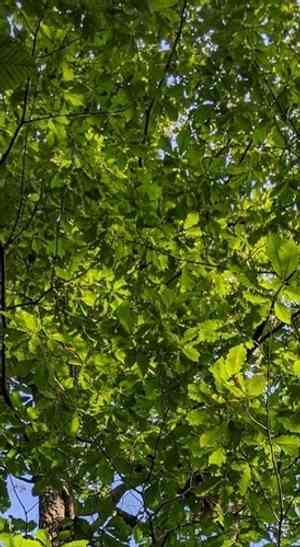
The prime period for relocating chestnut oak is from late spring through early summer, capitalizing on the warm ground and mild temperatures that are perfect for root development. Select a site with good drainage, protected from severe elements, and think about incorporating organic material to boost vitality.
What Preparations are Needed Before Transplanting Chestnut Oak?
What is the Ideal Time for Transplanting Chestnut Oak?
The best time to move your chestnut oak is during the transition from late spring to early summer. Transplanting chestnut oak at this point allows them to benefit from warmer soil and the start of a full growing season, promoting strong root development. This timing also enables chestnut oak to maximize summer's abundant sunlight and rainfall for healthy growth. Moving chestnut oak now facilitates successful adaptation, leveraging mild weather that supports recovery and resilience in your chestnut oak.
How Much Space Should You Leave Between Chestnut Oak Plants?
Maintain ample distance when transplanting chestnut oak. Ideally, aim for approximately 40-60 feet (12-18 meters) of separation between each plant. This ensures sufficient room for growth and prevents overcrowding.
What is the Best Soil Mix for Chestnut Oak Transplanting?
For chestnut oak, well-draining soil is preferred. Prepare the planting area with a base layer of compost or a slow-release granular fertilizer to enrich it. This will supply essential nutrients and encourage robust growth.
Where Should You Relocate Your Chestnut Oak?
Always select a site where chestnut oak can receive full to partial sunlight daily. This means six or more hours of direct sun for optimal development. It will thrive basking in the warm rays!
What Equipments Should You Prepare Before Transplantation Chestnut Oak?
Gardening Gloves
Protect your hands while handling soil and the chestnut oak plant.
Garden Trowel
Required for digging an appropriate hole for the chestnut oak plant.
Shovel or Spade
Needed for extracting the plant from its original spot and preparing the new location.
Watering Can
Essential for supplying the chestnut oak plant with adequate water post-transplanting.
Measuring Tape
Used for ensuring correct spacing and depth when transplanting the chestnut oak plant.
Wheelbarrow
Helpful for easily and safely moving the chestnut oak plant and excess soil.
Gardening Scissors
May be useful for trimming off any dead or damaged parts of the chestnut oak plant during transplantation.
Mulch
Aids in retaining soil moisture after transplanting.
How Do You Remove Chestnut Oak from the Soil?
How Do You Remove Chestnut Oak from the Soil?
From Ground: Start by watering the chestnut oak plant to moisten the soil, simplifying the removal process. Using a shovel or spade, dig a wide trench around the plant, ensuring the plant's root ball remains intact. Carefully work the spade beneath the root ball to lift the plant from the ground.From Pot: If the chestnut oak plant is in a pot, the process is somewhat easier. Just before repotting or transplanting, water your chestnut oak plant. Invert the pot, gently tap to loosen the soil and root ball, and carefully slide the plant out. Avoid pulling the plant by its stem.From Seedling Tray: Fill the tray with water, which helps loosen the soil and makes removal easier. Gently hold the lower part of the chestnut oak plant near its base and slowly lift it out of the tray.
Step-by-Step Guide for Transplanting Chestnut Oak
Preparation
Begin by preparing the transplant site. Ensure it is free of weeds or debris. Measure out a hole that is twice as wide and the same depth as the root ball of your chestnut oak plant.
Transfer
Very gently, place your chestnut oak plant into the hole. Ensure it is positioned at the same depth as it was in its original location.
Backfilling
Fill the hole with the original soil. If necessary, gently tamp the soil around the base of the chestnut oak plant to eliminate any air pockets. Avoid compacting the soil too much, as this can restrict water and air movement.
Mulching
Spread a layer of mulch around your chestnut oak to help retain soil moisture. Avoid mulching directly against the base of the plant, as this could lead to excessive moisture and cause root rot.
Watering
Water the chestnut oak plant thoroughly after transplanting.
How Do You Care For Chestnut Oak After Transplanting?
Watering
After transplanting, ensure the soil around the chestnut oak plant stays consistently moist, but not waterlogged, to aid in the development of strong roots. Watering frequency will depend on the season and climate; both insufficient and excessive watering can harm the newly transplanted plant.
Pruning
Trim any dead or damaged leaves or branches a few weeks after transplant; this encourages healthier and more vigorous growth.
Monitoring
Closely observe your chestnut oak plant for the first few weeks. Watch for signs of transplant shock, such as wilting, yellowing, or dropped leaves. If you notice any of these symptoms, the plant may require more shade or water.
Troubleshooting Common Issues with Chestnut Oak Transplantation.
When is the best time to transplant chestnut oak?
The ideal period for transplanting chestnut oak is from late summer to early fall (S3-S4). This allows chestnut oak to establish itself before winter.
What's the optimal spacing for chestnut oak?
For optimal growth and development, maintain a generous distance of approximately 40-60 feet (12-18 meters) between chestnut oak plants.
What should I do if chestnut oak shows signs of distress after transplanting?
Don't worry! Some transplant shock is normal. Keep the soil moist but not saturated, and prune back any dead or dying foliage.
Should I fertilize chestnut oak just after transplanting?
Avoid fertilizing immediately after transplanting as it may harm the roots. Instead, wait until chestnut oak is established, typically after 4-6 weeks.
How deep should the hole be when transplanting chestnut oak?
Dig a hole twice as wide and as deep as the root ball of chestnut oak. This provides ample space for roots to spread.
Do I need to stake chestnut oak after transplanting?
Staking is generally not necessary for chestnut oak unless the planting site is windy. If needed, stake loosely and remove after one year.
What type of soil does chestnut oak prefer?
Chestnut oak thrives in well-drained soil. If your soil is heavy clay or sandy, amend it with organic matter for best growth results.
How do I care for chestnut oak after transplanting?
Water chestnut oak deeply and regularly, especially during the initial few seasons. Also, apply a layer of mulch to conserve moisture and suppress weeds.
How much sunlight does chestnut oak require?
Chestnut oak prefers full sun to partial shade. Choose a transplant location that receives at least 4-6 hours of direct sunlight daily.
How often should I prune chestnut oak after transplanting?
Initially, prune chestnut oak minimally to remove any dead or dying branches. Afterward, regular annual pruning is usually not required unless to maintain shape.



