How to Transplant Swamp chestnut oak?
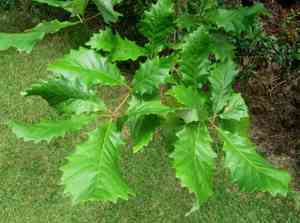
For swamp chestnut oak, the prime period for relocation is from mid to late spring, providing a mild environment conducive to root development. Select a site featuring damp, well-drained earth and abundant solar exposure. A gentle, encouraging approach can foster successful integration.
What Preparations are Needed Before Transplanting Swamp Chestnut Oak?
What is the Ideal Time for Transplanting Swamp Chestnut Oak?
The optimal period for relocating swamp chestnut oak is during the peak of the spring season. This timeframe offers mild weather, promoting vigorous root development and minimizing stress for swamp chestnut oak. Moving swamp chestnut oak in this season leverages rising temperatures and soil moisture, crucial elements for the plant's establishment. Furthermore, the natural spring growth surge aids in faster recovery from transplant shock. Embrace the vitality of mid to late spring to give your swamp chestnut oak the best start in its new spot.
How Much Space Should You Leave Between Swamp Chestnut Oak Plants?
When relocating swamp chestnut oak, provide ample room for growth. Ideally, position young plants approximately 30-40 feet (9-12 meters) apart. This allows their roots sufficient area to spread and develop. Remember, patience is essential while awaiting swamp chestnut oak to mature!
What is the Best Soil Mix for Swamp Chestnut Oak Transplanting?
Remember, swamp chestnut oak thrives in well-drained, slightly acidic to neutral soils. Prepare the base with a good blend of garden soil and compost or organic material. A slow-release all-purpose fertilizer can help them get a strong start. Go ahead, swamp chestnut oak will appreciate it!
Where Should You Relocate Your Swamp Chestnut Oak?
Placement is key! Swamp chestnut oak loves full sun but can tolerate partial shade. Avoid areas with deep shade. Whether it's a sunny spot in your yard or a planned woodland area, swamp chestnut oak is ready to brighten it up. Happy gardening!
What Equipments Should You Prepare Before Transplantation Swamp Chestnut Oak?
Shovel or Spade
The tool required to excavate the hole for swamp chestnut oak in the ground. It is also useful for removing the plant from its original location, if applicable.
Gardening Gloves
To safeguard your hands while handling the soil and plant.
Garden Hose or Watering Can
Needed to hydrate the plant before and after relocation. It helps to moisten the soil and establish roots.
Wheelbarrow or Plant Pot
To move the swamp chestnut oak transplant from its initial spot to the new planting site.
Pruning Shears
These are essential if you need to trim any dead or overgrown branches of the swamp chestnut oak during relocation.
Stakes and Strings
Useful for providing support to young swamp chestnut oak plants after transplanting.
How Do You Remove Swamp Chestnut Oak from the Soil?
How Do You Remove Swamp Chestnut Oak from the Soil?
From Ground: First, water the swamp chestnut oak plant to moisten the soil, making extraction easier. Then, dig a wide trench around the plant using a shovel or spade, ensuring the plant's root ball remains intact. Carefully work the spade under the root ball to lift the plant from its original location.From Pot: Water the swamp chestnut oak and then turn the pot sideways, hold it gently and tap the bottom of your pot. Pull out the plant by holding at its base, ensure not to yank or pull the plant.From Seedling Tray: Carefully remove the swamp chestnut oak seedling from the tray by supporting the root ball. Make sure not to squeeze or damage the seedling during removal.
Step-by-Step Guide for Transplanting Swamp Chestnut Oak
Preparation
Prepare the transplantation hole. It should be twice as wide but just as deep as the current root ball of swamp chestnut oak. Avoid digging too deep to prevent water accumulation.
Positioning
Place the swamp chestnut oak in the hole. The top of the root ball should be level with or slightly above the surrounding soil to allow for settling.
Backfilling
Backfill the hole with the native soil. Ensure the plant is straight and then firm the soil around the base.
Watering
Water the swamp chestnut oak thoroughly after transplanting. This helps the soil settle around the root ball.
Staking
For young or weak swamp chestnut oak, use stakes to provide support. Place the stakes outside the root ball and use soft ties to connect them to the plant.
How Do You Care For Swamp Chestnut Oak After Transplanting?
Watering
Consistently maintain soil moisture, but avoid making it soggy. Watering is crucial especially during dry weather.
Mulching
Apply a layer of organic mulch around the base of swamp chestnut oak after transplanting. It helps in retaining soil moisture, and controls the weeds.
Pruning
Trim off dead or oversized branches to promote healthy growth after transplantation. Avoid rigorous pruning immediately after transplantation.
Staking
Keep a check on the stakes, tightened or replace them as needed. Remove them once the swamp chestnut oak has established and can stand on its own.
Troubleshooting Common Issues with Swamp Chestnut Oak Transplantation.
When is the best time to transplant swamp chestnut oak?
The ideal time to transplant swamp chestnut oak is during the late summer to early autumn (S2-S3). This gives the plant enough time to adjust before winter sets in.
What is the appropriate spacing to consider while planting swamp chestnut oak?
Ample space is crucial for swamp chestnut oak's growth. A distance of 30-40 feet (9-12 meters) between each plant ensures they have enough room to grow without competition.
How deep should I dig the hole for swamp chestnut oak?
When transplanting, dig a hole that is double the width and equal to the height of the root ball. This gives the roots room to spread and provides better stability.
Should I prune swamp chestnut oak before transplanting?
Yes, prune dead or damaged roots of swamp chestnut oak before transplanting. This encourages new growth and reduces the risk of disease transmission.
Should I water swamp chestnut oak after transplanting?
Definitely! After transplanting, water swamp chestnut oak thoroughly to settle the soil around the roots. Continue watering regularly to keep the soil moist until the plant is well-established.
How do I handle swamp chestnut oak roots during transplanting?
Treat swamp chestnut oak's roots with care. Avoid letting them dry out, and place the plant at the center of the hole making sure the root flare is level with or slightly above ground level.
Is there a specific soil type preferred by swamp chestnut oak?
Swamp chestnut oak prefers a well-drained soil that is slightly acidic to neutral. Enrich the soil with organic matter, like compost, to increase its nutrient content and improve texture.
What should I do if swamp chestnut oak shows signs of wilting post-transplant?
Temporary wilting is normal after transplanting. Keep the soil adequately moist and observe the swamp chestnut oak. If wilting persists, consult a horticulturist to rule out the possibilities of pests or diseases.
Can I transplant a very mature swamp chestnut oak tree?
Transplanting mature swamp chestnut oak trees can be very challenging due to their size and established root systems. Professional arborists are best equipped to handle such tasks safely.
Do I need to stake swamp chestnut oak after transplanting?
Staking swamp chestnut oak keeps it stable as new roots develop, especially in windy conditions. Make sure that any ties used are flexible to allow the tree to move naturally and promote stronger root growth.



