How to Transplant Sand post oak?
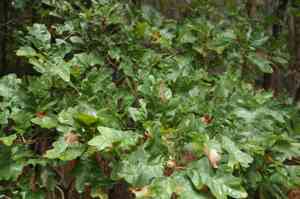
To ensure optimal establishment, relocate sand post oak once the ground warms in late spring, extending into early summer. Select a location that receives ample sunlight and features soil with good drainage. Careful handling of the root system during this process encourages vigorous development.
Necessary Preparations Before Relocating Sand Post Oak?
Optimal Period for Transplanting Sand Post Oak?
The perfect time to move your sand post oak is from late spring to early summer. Shifting your sand post oak during this period of new development allows the plant sufficient time to establish its root system in warmer soil, boosting its chances of flourishing. This timing is advantageous as it aligns with the natural growth cycle, giving sand post oak the best start in its new spot with moderate temperatures and consistent daylight.
Required Spacing Between Sand Post Oak Plants?
Hello, gardening enthusiast! Before moving your sand post oak to its new home, plan to provide ample room. Position them 20-30 feet apart (6-9 meters), ensuring each has adequate space to mature gracefully and enjoy nature's splendor.
Best Soil Mixture for Sand Post Oak Transplantation?
For your sand post oak, prepare the soil with care! Aim for sandy, well-drained soil, and enhance it with a balanced slow-release fertilizer. A gentle blend, perhaps labeled '10-10-10', should be effective. This will help your sand post oak thrive from its fresh start.
Where to Replant Your Sand Post Oak?
Sun lover alert! Sand post oak thrives in the sun's warm embrace, so find a location where it can absorb full sunlight. Target an open area with at least 6-8 hours of direct sun daily. Your sand post oak will reward you with vigorous growth and good health!
Equipment Needed Before Transplanting Sand Post Oak?
Gardening Gloves
To safeguard your hands while handling soil and the plant.
Shovel or Spade
For excavating the plant and preparing the new planting site.
Wheelbarrow
To move the excavated plant and soil.
Pruning Shears
For trimming any damaged roots or branches.
Watering Can or Hose
For hydrating sand post oak before and after relocation.
Garden Fork
To loosen the soil around the root ball during extraction.
Burlap or Tarp
To cover the root ball during transit to the new spot.
Measuring Tape
To ensure correct spacing from other plants and structures.
How to Extract Sand Post Oak from the Soil?
How to Extract Sand Post Oak from the Soil?
From Ground: Moisten the sand post oak's soil. Dig a wide trench around it with a shovel or spade, keeping the root ball intact. Gently work the spade beneath the root ball to lift the plant from its original position.From Pot: Water the soil in the pot until it's damp. Turn the pot sideways and gently tap it to loosen the sand post oak. Pull the plant out by the base of the trunk, ensuring the root ball is supported.From Seedling Tray: Water the seedlings thoroughly. Use a spoon or small tool to loosen the soil around each seedling. Carefully lift the sand post oak to prevent damage to the young roots and stems.
Step-by-Step Guide for Relocating Sand Post Oak
Excavating the New Hole
Dig a hole twice as wide and the same depth as the sand post oak's root ball.
Preparing the Root Ball
Inspect the root ball, and use pruning shears to remove any damaged or circling roots.
Positioning the Plant
Gently place the sand post oak in the center of the new hole, spreading out the roots if they were constricted.
Depth Adjustment
Ensure the top of the root ball is level with the surrounding ground surface.
Refilling the Hole
Carefully backfill the hole with the excavated soil, gently firming it down as you proceed.
Watering
Water thoroughly around the base of the sand post oak to settle the soil and eliminate air pockets.
Support
If the sand post oak is large or top-heavy, consider staking it to prevent swaying and encourage root establishment.
Post-Transplantation Care for Sand Post Oak?
Mulching
Apply a layer of organic mulch around the base of sand post oak to retain soil moisture and regulate temperature.
Monitoring
Regularly check on sand post oak for signs of transplant shock, which may appear as wilting or yellowing leaves.
Watering Frequency
Continue to water sand post oak deeply and consistently, especially during dry spells, for the first growing season after relocation.
Pruning
Avoid extensive pruning immediately after transplanting to allow sand post oak to prioritize root establishment.
Fertilizing
Refrain from fertilizing sand post oak until it shows signs of new growth and has settled into its new location, typically after one season.
Addressing Common Issues with Sand Post Oak Transplantation.
What's the ideal time of year to transplant sand post oak?
For optimal adaptation, transplant sand post oak during late spring to early summer, avoiding extreme temperatures.
How far apart should I plant sand post oak saplings?
Space sand post oak saplings 20-30 feet (6-9 meters) apart to ensure ample room for growth and proper development.
Why is my sand post oak wilting after transplanting?
Wilting can be due to transplant shock. Ensure proper watering, neither excessive nor insufficient, and shield from strong winds.
How deep should I dig a hole for sand post oak roots?
The hole should be twice as wide and the same depth as the root ball to promote healthy growth.
Can sand post oak survive a transplant during summer heat?
Transplanting sand post oak in intense summer heat can stress the plant. Choose cooler days or wait for milder temperatures if possible.
What soil type is best for transplanting sand post oak?
Utilize well-draining soil, rich in organic matter, to provide the best conditions for sand post oak's root establishment.
How much should I water sand post oak after transplanting?
Provide consistent moisture, watering deeply to encourage strong root growth, but prevent waterlogging the soil.
Does sand post oak need pruning right after transplanting?
Avoid pruning immediately after transplanting to allow sand post oak to focus its energy on root development.
Should I apply fertilizer when transplanting sand post oak?
Delay fertilizing sand post oak until it is established. Initially, concentrate on watering and mulching to support root growth.
How to protect transplanted sand post oak from pests?
Regularly check for pests, provide adequate water and mulch, and use appropriate pest deterrents as needed.



