How to Transplant Overcup oak?
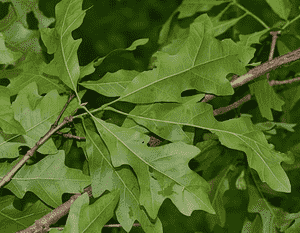
For overcup oak, the peak period for successful relocation coincides with moderate mid-summer temperatures, promoting vigorous root development in fertile, adequately drained ground. Select locations that retain moisture and apply a substantial layer of mulch after transplanting to aid in adaptation.
Essential Preparations Before Relocating Overcup Oak
Optimal Period for Transplanting Overcup Oak
Overcup oak thrives when moved during its peak growth phases, either spring or fall. These seasons provide moderate temperatures, aiding root establishment without the stress of extreme heat or cold. Transplanting during these times promotes robust development and health for overcup oak, ensuring a smooth transition to its new spot. Remember, careful handling and precise timing are crucial for your plant's success!
Required Spacing Between Overcup Oak Plants
Ensure ample room for your overcup oak to expand. An ideal spacing of approximately 30-50 feet (9-15 meters) between plants allows them sufficient space to spread and develop healthily.
Best Soil Mixture for Overcup Oak Relocation
Establish a strong foundation for your overcup oak by selecting a well-draining soil type. Incorporate a foundational fertilizer, rich in organic material, to enhance the plant's nutrient absorption. This will help your plants flourish!
Optimal Location for Your Overcup Oak
Site selection is critical for overcup oak! Ensure your chosen area receives full sun to partial shade exposure. Adequate sunlight is vital for vigorous plant growth.
Equipment Needed for Overcup Oak Transplantation
Gardening Gloves
To safeguard your hands while handling soil and overcup oak.
Spade or Shovel
Utilized for excavation during the removal and replanting process.
Wheelbarrow
Useful for transporting the overcup oak from its original spot to the new location.
Mulching Material
Helps suppress weed growth and maintain soil moisture after transplantation.
Watering Can or Hose
Crucial for hydrating the overcup oak during and after the transplant.
Method for Extracting Overcup Oak from the Soil
Method for Extracting Overcup Oak from the Soil
From Ground: Moisten the soil around the overcup oak plant. Then, using a shovel, dig a broad circular trench about 18 inches from its base, ensuring the plant's root ball remains intact. Gently work the spade beneath the root ball to lift the plant and its attached soil.From Pot: Water the plant in its pot approximately an hour before transplanting. Grasp the plant at its base, tilt the pot, and carefully pull it out. Be sure to support the root ball to prevent damage.From Seedling Tray: If the overcup oak is from a seedling tray, water it thoroughly. Gently lift it from its cell without pulling on the stem to avoid root breakage. Hold it only by its leaves or root ball.
Detailed Steps for Transplanting Overcup Oak
Excavating the New Planting Site
The hole should be twice the width of the overcup oak's root ball and of equal depth.
Positioning the Plant
Center the plant in the prepared hole, ensuring the top of the root ball is level with the surrounding ground. If the plant is too low, add some soil back into the hole.
Backfilling
Refill the hole with the original soil, gently compacting it around the plant's base. It's important to eliminate air pockets that can dry out roots.
Watering
Immediately after planting, thoroughly water the overcup oak. This helps settle the soil around the roots.
Mulching
Apply a layer of mulch around, but not touching, the overcup oak. This will help retain soil moisture and regulate temperature.
Post-Transplantation Care for Overcup Oak
Monitoring
Observe the overcup oak daily for the initial couple of weeks, checking soil moisture and the plant's condition. Any signs of wilting may indicate transplant shock.
Pruning
Avoid significant pruning during the first year after transplanting so that the overcup oak can prioritize root development. Light trimming of any dead or diseased branches is acceptable.
Pests & Diseases
Watch for pests or diseases that might affect a recently stressed tree. Consult a local extension service if you are uncertain about any abnormalities.
Resolving Common Issues with Overcup Oak Transplantation
When is the best time to transplant overcup oak?
The optimal period to move overcup oak is from late winter to early spring (S4-S6).
What is the recommended distance between overcup oak trees during transplantation?
For healthy growth, maintain a substantial distance of 30-50 feet (9-15 meters) between each overcup oak.
Should I water overcup oak immediately after transplanting?
Yes, prompt watering is crucial. It aids in settling the soil around the roots and mitigating transplant shock.
How deep should I plant the overcup oak during transplantation?
Plant the overcup oak at the same depth it was previously growing. Avoid planting too shallow or too deep.
Are there specific soil conditions required for transplanting overcup oak?
Overcup oak adapts to a wide range of soils. However, ensure the soil is well-drained and rich in organic matter.
How can I minimize 'transplant shock' in overcup oak?
Keep root disturbance to a minimum during transplantation. Immediate watering and proper post-transplant care will also alleviate transplant shock.
What size root ball should I maintain when transplanting overcup oak?
Maintain a root ball that is at least 10-12 inches (25-30 cm) in diameter for every inch (2.5 cm) of trunk diameter.
How often should I water overcup oak after transplantation?
For the first few weeks post-transplant, water overcup oak generously every 2-3 days, gradually reducing as the plant establishes.
Does overcup oak require any special care during the first year after transplanting?
During the first year post-transplant, focus on consistent watering, weed management, and observing for signs of pests or disease.
What should be the size of the hole when transplanting overcup oak?
Dig a hole 2-3 times as wide as the root ball and slightly deeper. This provides ample space for root spread.



