How to Transplant Laurel oak?
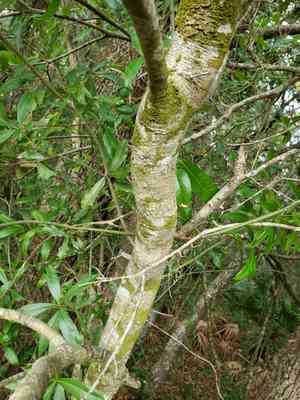
The ideal period for relocating laurel oak is at the onset of flourishing summer, facilitating superior root development. Select a location exposed to full sunlight with soil that drains effectively. Carefully loosen the adjacent ground to foster root proliferation after the transfer.
What Preparations are Needed Before Transplanting Laurel Oak?
What is the Ideal Time for Transplanting Laurel Oak?
The best time to move laurel oak is during the lively period following spring. This timing ensures laurel oak adjusts quickly, benefiting from the moderately warm soil, consistent spring rainfall, and the abundant growth energy present then. Relocating laurel oak as spring concludes takes advantage of optimal soil temperatures and reliable moisture levels, crucial for strong root establishment before the intense summer heat. Utilize this window for a smooth transition, promoting robust recovery and vigorous growth, ensuring your laurel oak flourishes in its new spot.
How Much Space Should You Leave Between Laurel Oak Plants?
When planting your laurel oak, allow ample room! A good guideline is to space them 15-20 feet (4.5-6 meters) apart. This provides your laurel oak sufficient area to spread its branches and develop strong roots.
What is the Best Soil Mix for Laurel Oak Transplanting?
Your laurel oak thrives in well-draining soil. A blend of loamy and sandy soil works excellently. Before planting, enrich the soil with a nutrient-rich base fertilizer. This will help your laurel oak grow robust and healthy!
Where Should You Relocate Your Laurel Oak?
For the perfect location to plant your laurel oak, seek out an area in your yard that receives ample sunlight. These trees love sun exposure and will flourish in direct or partially shaded environments.
What Equipments Should You Prepare Before Transplantation Laurel Oak?
Shovel
You will need this tool to excavate the hole for the laurel oak tree's new position. It can also assist in lifting the plant from its original spot.
Garden Hose or Bucket
To provide water to the laurel oak tree both before and after its relocation.
Gardening Gloves
These will safeguard your hands while handling soil and the plant. Laurel oak trees can be quite heavy, and sturdy gloves will help prevent injury.
Wheelbarrow
This equipment is vital for moving the tree from its initial place to the new site. The laurel oak tree can be heavy, and this will simplify the task.
Mulching Material
This could be organic matter such as wood chips, straw, or grass clippings. Mulch aids in retaining moisture and suppressing weed growth.
How Do You Remove Laurel Oak from the Soil?
How Do You Remove Laurel Oak from the Soil?
From Ground: Aim to transplant the laurel oak tree when it is dormant, typically in autumn or early spring. Measure the trunk's diameter to determine the size of the root ball you'll need to move. As a general guide, prepare to dig a root ball with a 12-inch diameter for every 1 inch of trunk diameter. First, water the tree to moisten the soil. Then, outline the root ball's size and dig a trench around it. Carefully work the spade beneath the root ball and lift the tree, keeping as many roots intact as possible.From Pot: First, thoroughly water the laurel oak tree in its container. This facilitates easier removal. Tilt the pot sideways, and support the tree as you gently slide it out. You might need to tap the pot's sides or bottom to dislodge the tree. Always try to avoid pulling the tree out of the container by its trunk or branches.From Seedling Tray: Water the seedlings well before transplanting. Gently separate the laurel oak seedlings, being extremely careful not to harm the roots. Lift the seedling by its leaves if possible, as even minor stem damage can be fatal.
Step-by-Step Guide for Transplanting Laurel Oak
Dig Hole
Begin by digging a hole. It should be three times the width of the root ball and the same depth. This encourages root development.
Transport
Use the wheelbarrow to move your laurel oak tree to the hole. This can be strenuous work, so you might require assistance.
Placement
Gently lower the plant into the hole, ensuring it is not planted any deeper than it was in its original location.
Backfill
Refill the hole, lightly firming the soil as you go to eliminate air pockets and ensure the soil makes contact with the roots.
Water
Water the tree immediately after transplanting. Make sure to water deeply, so it reaches the tree's root zone.
How Do You Care For Laurel Oak After Transplanting?
Watering
Keep the soil around the laurel oak consistently moist, but not waterlogged, for the initial few weeks post-transplant. This aids in establishing strong roots.
Mulching
Apply a layer of mulch around the base of the laurel oak tree, ensuring it doesn't touch the trunk. This helps with moisture retention and suppresses weeds.
Monitoring
Keep a close watch on your laurel oak's health. If it shows signs of stress, such as wilting or yellowing leaves, it may require more water, or it could be receiving too much sun or experiencing other environmental stressors.
Troubleshooting Common Issues with Laurel Oak Transplantation.
When is the best time to transplant laurel oak?
The optimal period to relocate laurel oak is during the third season (late summer to fall), when it causes less stress for the plant. Ensure the weather is relatively cool and moist.
What's the perfect spacing between laurel oak while transplanting?
For ideal growth, ensure that laurel oak is planted 15-20 feet (4.5-6 meters) apart. This allows the plant sufficient space for root development and canopy expansion.
What type of soil is best for transplanting laurel oak?
Laurel oak prefers well-drained soils. Sandy or clay soils can also work if they are adequately drained. Ensure the pH level is neutral to slightly acidic for the best outcome.
How should I prepare the hole for transplanting laurel oak?
Dig a hole that is two to three times wider than laurel oak's root ball, but no deeper. This size enables the roots to spread out and establish faster in its new home.
What's the best watering practice after transplanting laurel oak?
Water laurel oak thoroughly immediately after transplanting. Continue deep watering with a slow stream until the soil is saturated, repeating when the top two inches (approximately 5 cm) of soil begins to dry out.
Should I feed laurel oak after transplanting?
Yes, but wait 4-6 weeks post-transplant. Use a slow-release, balanced fertilizer to provide essential nutrients. However, always follow the specific fertilizer instructions to avoid over-fertilizing.
Should I prune laurel oak before or after transplant?
You can lightly prune laurel oak before transplant to minimize water loss. After transplant, wait until new growth appears to perform any further pruning. Always remove any dead or damaged branches.
How can I ensure laurel oak's survival post-transplant?
Consistent care is crucial. Monitor moisture levels, maintain a 2-3 inch (5-7.5 cm) deep mulch layer, and check for pests or diseases. Each of these steps helps promote a successful transplant.
How do I deal with root-bound laurel oak?
If laurel oak is root-bound, gently loosen the root ball with your fingers before planting. If the roots are severely entangled, you might need to make shallow cuts in the root ball with a sharp knife.
How to transplant bigger laurel oak?
For larger laurel oak, consider hiring professionals or utilizing machinery. These trees possess extensive root systems that require careful handling to prevent damage during the transplant process.



