How to Transplant Ring-cupped oak?
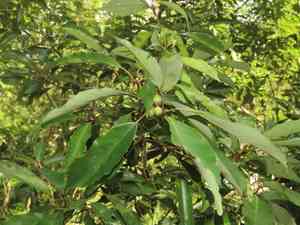
For ring-cupped oak, the peak of late spring's warmth transitioning into early summer presents the ideal period for relocation, facilitating robust root development. Choose a location featuring adequately draining earth, exposure to partial or full sun, and supply continuous hydration following the move to aid in adaptation.
What Preparations are Needed Before Transplanting Ring-cupped Oak?
What is the Ideal Time for Transplanting Ring-cupped Oak?
The best time to move ring-cupped oak is during the warm period after spring, specifically from late May to early July. This timeframe is perfect because the mild temperatures and consistent weather encourage strong root development. Moving ring-cupped oak then helps it settle well, using the growing season for vigorous growth. This timing aids recovery and reduces stress on ring-cupped oak, boosting its chances of flourishing in its new spot.
How Much Space Should You Leave Between Ring-cupped Oak Plants?
When rehousing your ring-cupped oak, ensure ample room for its branches to spread. Aim for a separation of 15-30 feet (4.5-9 meters). This spacing guarantees ring-cupped oak has sufficient area to develop robustly and healthily.
What is the Best Soil Mix for Ring-cupped Oak Transplanting?
Prior to moving your ring-cupped oak, carefully prepare the soil. It prefers well-draining, slightly acidic to neutral ground. Enhance the planting site with a balanced fertilizer to promote a strong start in its new environment.
Where Should You Relocate Your Ring-cupped Oak?
Select a location for your ring-cupped oak where sunlight gently touches its foliage. An area with full sun to partial shade will be beneficial. Remember, a bit of soft, filtered shade won't harm it, especially during the hottest parts of the day.
What Equipments Should You Prepare Before Transplantation Ring-cupped Oak?
Shovel
For excavating the hole to replant the ring-cupped oak.
Wheelbarrow
To move the ring-cupped oak and soil.
Watering Can or Hose
To hydrate the ring-cupped oak before and after its relocation.
Secateurs or Sharp Knife
To trim any damaged roots or branches.
Mulch
To help maintain soil moisture around the ring-cupped oak post-transplant.
Stakes and Ties
To provide support for the ring-cupped oak if needed.
How Do You Remove Ring-cupped Oak from the Soil?
How Do You Remove Ring-cupped Oak from the Soil?
From Ground: Hydrate the ring-cupped oak to moisten the soil. Use a spade to dig a wide circle around the plant, ensuring the root ball remains intact. Carefully work the spade beneath the root ball to lift the ring-cupped oak from the ground.From Pot: Water the ring-cupped oak to make the soil damp. Invert the pot and tap its base and sides to loosen the root ball. Gently extract the ring-cupped oak from the pot by holding the base of its trunk, not the trunk itself.From Seedling Tray: Water the seedlings to keep the soil moist. Carefully extract the ring-cupped oak seedlings by pushing them up from the cell's bottom or using a tool like a dibbler or popsicle stick to lift them out.
Step-by-Step Guide for Transplanting Ring-cupped Oak
Selection of Transplanting Day
Choose an overcast day with mild temperatures to lessen stress on the ring-cupped oak.
Digging the Hole
Excavate a hole twice the root ball's width and equal in depth. Place the removed soil on a tarp for easy refilling.
Plant Removal Preparation
Water the ring-cupped oak the day before transplanting to ensure hydrated roots, easing the transition.
Gentle Root Ball Handling
Handle the root ball with care during relocation to prevent root damage.
Placing the Plant
Center the ring-cupped oak in the hole, ensuring it stands upright. The top of the root ball should be level with the ground.
Refilling the Hole
Backfill the hole with the excavated soil, gently pressing to remove air pockets without over-compacting.
Watering
Thoroughly water the ring-cupped oak after planting to settle the soil around the roots and eliminate air gaps.
Applying Mulch
Spread mulch around the base of the ring-cupped oak to retain moisture, but keep it away from the trunk to prevent rot.
How Do You Care For Ring-cupped Oak After Transplanting?
Initial Watering
Water deeply post-transplant and keep the soil moist, but avoid overwatering as ring-cupped oak roots require oxygen for growth.
Mulching
Maintain a layer of mulch around the ring-cupped oak to conserve moisture and stabilize soil temperature.
Supporting
Use stakes and ties to stabilize the ring-cupped oak if it's exposed to strong winds or is top-heavy.
Monitoring
Closely observe the ring-cupped oak for signs of stress, such as wilting or discolored leaves, and address issues promptly.
Pruning
Trim any broken or damaged branches to direct the ring-cupped oak's energy towards root establishment.
Troubleshooting Common Issues with Ring-cupped Oak Transplantation.
Why is my ring-cupped oak wilting after transplanting?
Wilting after moving ring-cupped oak can be due to transplant shock. Ensure it gets gentle watering and partial shade to recover. Avoid excessive watering and disturbing roots.
What is the optimal planting distance for ring-cupped oak?
For healthy development, space ring-cupped oak 15-30 feet (4.5-9 meters) apart to allow ample room for their mature size.
When is the best time to transplant ring-cupped oak?
Move ring-cupped oak when conditions are cool, ideally from late spring to early summer, to reduce stress and encourage root establishment.
How deep should I dig to transplant ring-cupped oak?
Dig a hole as deep as the root ball and twice its width, to provide a stable environment for ring-cupped oak's roots to expand.
What should I do if the leaves of ring-cupped oak turn brown after transplanting?
Browning leaves can signal stress. Ensure ring-cupped oak has adequate soil moisture, and initially shield it from strong winds and intense sunlight.
Can I transplant ring-cupped oak on a hot, sunny day?
It's best to move ring-cupped oak on a cloudy day or late afternoon to prevent immediate heat stress and allow recovery time before sun exposure.
How much water does ring-cupped oak need after transplanting?
Provide ring-cupped oak with consistent moisture, watering deeply once weekly, to aid root establishment. Avoid letting the soil dry out completely or become waterlogged.
What are signs of overwatering ring-cupped oak after transplanting?
Signs of overwatering include yellowing leaves, wilting, and soft, decaying roots. Allow soil to be moist but not saturated.
Should I prune ring-cupped oak when transplanting?
Pruning is not necessary during transplanting unless damaged; focus on root establishment and minimize stress for ring-cupped oak.
Why is my ring-cupped oak not thriving in its new location?
If ring-cupped oak isn't flourishing, check soil quality, sunlight, watering habits, and ensure it wasn't planted too deep or shallow.



