How to Transplant Hungarian oak?
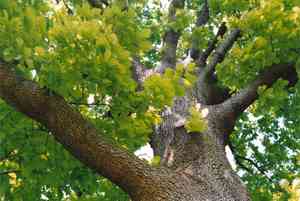
The ideal period for relocating hungarian oak is in the pleasant temperatures of mid to late spring, a time that guarantees gentle conditions for root development. Select a bright spot with soil that drains effectively. Should hungarian oak be substantial, provide staking for stability after transplantation.
What Preparations are Needed Before Transplanting Hungarian Oak?
What is the Ideal Time for Transplanting Hungarian Oak?
Undertaking the relocation of hungarian oak during the peak of spring provides the plant with a period to establish roots thoroughly prior to the summer heat. This timely action guarantees more robust, resilient development. By selecting this optimal season, you are giving hungarian oak the finest beginning, under the beneficial spring sun, promoting strong growth and increased survival rates.
How Much Space Should You Leave Between Hungarian Oak Plants?
When placing your hungarian oak, ensure adequate spacing between the trees. Aim for a separation of 40-70 feet (12-21 meters) from one another. This provides ample room for their growth and flourishing.
What is the Best Soil Mix for Hungarian Oak Transplanting?
For your hungarian oak, well-draining, loamy soil is ideal! It will ensure vigorous development. Before planting, incorporate a foundational fertilizer into the lower planting hole. A slow-release granular type would greatly benefit your hungarian oak.
Where Should You Relocate Your Hungarian Oak?
For your hungarian oak, select a location that receives full sun to partial shade. Appropriate sunlight will enhance optimal growth. Consider the spacing guideline to ensure each tree gets sufficient light.
What Equipments Should You Prepare Before Transplantation Hungarian Oak?
Gardening gloves
To safeguard your hands while handling the soil and plant material.
A Spade
For excavating the holes where the hungarian oak trees will be planted.
Pruning Shears
To trim roots or any damaged plant branches.
Watering Can or Hose
To hydrate the plant before and after its relocation.
Organic Mulch
Aids in retaining moisture and maintaining cool root temperatures.
Heavy-Duty Wheelbarrow
For moving the plant from one spot to another.
Burlap and Twine
To wrap the root ball during transit, minimizing root exposure.
How Do You Remove Hungarian Oak from the Soil?
How Do You Remove Hungarian Oak from the Soil?
From Ground: First, irrigate the hungarian oak plant to loosen the surrounding soil. Then, excavate a wide trench around the plant using a spade, ensuring the root ball remains intact. Carefully work the spade beneath the root ball to gently lift the plant from its original position, aiming to preserve as many roots as possible. Afterward, wrap the root ball in burlap and secure it with twine for transport.From a Pot: Begin by thoroughly watering the hungarian oak plant, so the root ball stays cohesive during the process. Gently tip the pot onto its side and slowly ease the plant out, taking care not to pull on the trunk or stems, which could cause harm. If necessary, use a knife to score around the inner edge of the pot to encourage the root ball to release.From a Seedling Tray: Water the hungarian oak seedlings before starting. Push from the bottom of the cell or use a spoon to gently lift the plant, with the objective of keeping the roots and soil undisturbed. Hold the seedlings by their leaves to avoid crushing the stems.
Step-by-Step Guide for Transplanting Hungarian Oak
Preparation
Begin by thoroughly watering the hungarian oak in its current location a few hours prior to transplanting. Prepare the new planting site. It should be twice as wide and equally deep as the root ball to provide ample space for root development.
Removal
Extract the hungarian oak from its original spot as detailed in the removal procedure.
Placement
Position the hungarian oak in the new hole. Ensure it is planted no deeper than it was in its initial location. Backfill the hole with the original soil.
Watering
Water the hungarian oak thoroughly, saturating the entire root zone. This step will help settle the soil around the roots and eliminate any air pockets.
Mulching
Apply a layer of organic mulch around the base of the hungarian oak, being careful not to pile it against the trunk. Mulch will conserve soil moisture and shield the tree from temperature extremes.
How Do You Care For Hungarian Oak After Transplanting?
Pruning
Trim any damaged or broken branches, but extensive pruning is not required immediately after transplanting.
Watering
Keep the soil consistently moist, but ensure it drains well. Excessive watering can lead to root rot.
Monitoring
Watch for indications of transplant shock, such as yellowing leaves or wilting, and respond accordingly, typically by adjusting watering practices or relocating the plant to a more suitable spot if needed.
Protection
Consider wrapping the hungarian oak with a tree wrap to shield it from sun scald or frost damage during its initial winter.
Troubleshooting Common Issues with Hungarian Oak Transplantation.
When is the best time to transplant the hungarian oak?
Late spring to early summer (Season 2 to 3) is the optimal period to relocate hungarian oak when the weather becomes consistently warm.
What's the optimal spacing to maintain between transplanted hungarian oak?
Allow a generous distance of 40-70 feet (12-21 meters) between each hungarian oak, as they require ample room to spread and grow.
What soil type is ideal for transplanting the hungarian oak?
Hungarian oak thrives in well-draining soil, whether it's clay, loam, or sandy. It also tolerates slightly acidic to highly alkaline pH levels.
How deep should I dig the hole while transplanting hungarian oak?
Excavate a hole that is twice as wide and as deep as the plant's root ball. This provides plenty of space for root establishment.
How to water hungarian oak after transplanting?
Water generously immediately after transplanting, then maintain a moderate watering schedule, ensuring the soil remains evenly moist but not waterlogged.
Why is my transplanted hungarian oak showing signs of distress, like browning leaves?
Browning leaves could indicate transplant shock, which might also cause leaf drop or wilting. Consistent care, watering, and patience will aid in recovery.
Should I add fertilizers when transplanting hungarian oak?
Yes, you can incorporate a mild, slow-release fertilizer at the time of planting. However, over-fertilization can harm hungarian oak, so proceed with caution.
How to deal with root bound or circling roots while transplanting hungarian oak?
Gently untangle constricted roots before transplanting. If roots are severely circling, make a few vertical cuts around the outer edge of the root ball.
What sun exposure is best for the hungarian oak after transplanting?
Hungarian oak prefers full sun to partial shade. However, young hungarian oak may require some protection from intense midday sun in hotter climates.
How to protect the newly transplanted hungarian oak from pests and diseases?
Regular inspections for pests, good sanitation practices to prevent diseases, proper watering, and appropriate spacing can help keep your transplanted hungarian oak healthy.



