How to Transplant Southern red oak?
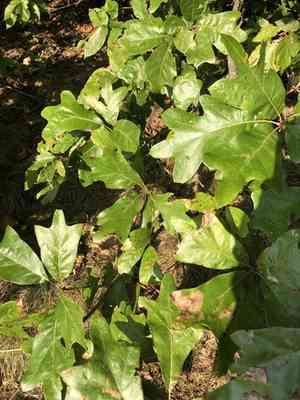
For best results, transplant southern red oak during the revitalizing period of early spring, allowing it to establish a strong root system prior to the intense summer heat. Select sites with good drainage, receiving full sunlight to partial shade, and carefully support its extensive root network as it adapts to its new environment.
What Preparations are Needed Before Transplanting Southern Red Oak?
What is the Ideal Time for Transplanting Southern Red Oak?
The optimal period to relocate southern red oak is during the peak of late spring. This timeframe provides mild weather, allowing roots to establish without intense heat stress. This timely move gives southern red oak a strong foundation for flourishing through summer and beyond. Choose this season for a thriving future for your southern red oak!
How Much Space Should You Leave Between Southern Red Oak Plants?
When moving your southern red oak, ensure sufficient distance between them to accommodate their mature dimensions. A general guideline is approximately 20-30 feet (6-9 meters) apart. This provides each plant ample room to grow and thrive. Enjoy your gardening!
What is the Best Soil Mix for Southern Red Oak Transplanting?
Let's prepare the perfect home for your southern red oak! They prefer well-drained, acidic to neutral soil types. Before transplanting, incorporate a slow-release granular fertilizer into the soil to supply necessary nutrients. Remember, healthy soil leads to happy trees!
Where Should You Relocate Your Southern Red Oak?
Sunlight is a crucial element for your southern red oak to thrive. Select a spot where your plant can receive full sunlight, ideally six hours or more daily. A sunny area in your garden would be absolutely ideal!
What Equipments Should You Prepare Before Transplantation Southern Red Oak?
Gardening Gloves
To safeguard your hands while handling soil and southern red oak.
Shovel or Spade
Necessary for extracting the southern red oak from its current spot and excavating a hole at the new site.
Gardening Trowel
Crucial for digging smaller holes at both the original and new locations.
Pruning Shears
Required to trim any damaged or diseased branches.
Garden Hose or Watering Can
For hydrating the plant after its relocation.
Wheelbarrow
To transport the southern red oak to its new position, minimizing harm to the root system.
Mulch
To aid in moisture retention within the southern red oak's new environment.
How Do You Remove Southern Red Oak from the Soil?
How Do You Remove Southern Red Oak from the Soil?
From Ground: Start by watering the southern red oak to moisten the soil. This facilitates easier plant removal. Dig a wide trench around the plant using a spade or shovel, ensuring the trench is broader than the root system. Use the spade to lever under the rootball and lift the southern red oak from the ground.From Pot: Water the plant thoroughly to dampen the soil, making extraction simpler. Grasp the plant at its base and invert the pot, tapping the rim on a firm surface if needed to loosen the roots. Once the southern red oak detaches from the pot, support the plant firmly but gently to prevent damage.From Seedling Tray: Using a dibber or a gardening trowel, carefully pry the seedlings out of the tray, taking care not to pull or harm the delicate roots or stem. Lift the southern red oak from the tray ensuring as much of the roots and attached soil come along.
Step-by-Step Guide for Transplanting Southern Red Oak
Preparation
Prepare the new planting site by digging a hole twice as wide and deep as the southern red oak's rootball. Create a mound of earth at the bottom of the hole for the plant to rest on.
Planting
Position the southern red oak in the hole, ensuring it sits at the same soil level as it did in its original spot. Backfill the hole halfway, firming the soil around the plant.
Watering
Water thoroughly and allow the water to drain. Once drained, complete backfilling the hole. Gently firm the soil but avoid compacting it.
Final Touches
Apply mulch around the plant, leaving a space around the stem. Ensure the mulch does not touch the stem to prevent rot.
How Do You Care For Southern Red Oak After Transplanting?
Watering
Maintain adequate watering to help the southern red oak establish new roots in its new location. Avoid overwatering, but ensure it receives regular moisture to prevent drying out.
Pruning
Prune the southern red oak in late winter or early spring to guide its growth and encourage a robust structure, being careful not to over-prune.
Inspecting
Regularly inspect the southern red oak for indications of pests or diseases. Prompt detection and treatment are vital for the health of transplanted plants.
Patience
Remember, the southern red oak may take a little longer to show new growth as it adapts to its new environment. So, don't rush - be patient and allow it time to adjust.
Troubleshooting Common Issues with Southern Red Oak Transplantation.
Whenâs the best season to transplant southern red oak?
Relocate southern red oak during its mid-growth phases, specifically in Season 2, before it enters dormancy. This allows the plant ample time to develop a strong root system.
How much room should I leave between southern red oak plants?
Always maintain a distance of 20-30 feet (6-9 meters) between each southern red oak to ensure sufficient space for their growth and development.
How long should the root ball be for southern red oak while transplanting?
Excavate a root ball approximately 10 inches (25 cm) deep and wide. This provides southern red oak ample room for roots to spread and grow in the new location.
Why did my transplanted southern red oak wilt?
Wilting after transplanting can be due to transplant shock, a common issue when plants are moved. Keep the soil sufficiently moist and the plant in a shaded area for recovery.
What kind of soil does southern red oak prefer while transplanting?
Southern red oak thrives in well-draining soil. The ideal soil mixture should include organic matter for nutrients. It should also have an acidic to neutral pH.
Why are my newly transplanted southern red oak leaves turning yellow?
Yellowing leaves can signal water stress or excessive sunlight. Adjust your watering schedule, and if necessary, move the plant to a less sunny spot.
How should I water southern red oak after transplanting?
Water southern red oak thoroughly after transplanting to settle the soil around the roots. Afterward, maintain a consistent watering regimen based on the plant's needs.
Should I prune southern red oak during transplantation?
Pruning is not essential during transplantation, but if needed, remove any dead or damaged branches. This will help the plant focus its energy on new growth.
Can I transplant southern red oak in a container?
Yes, ensure your container is large enough to accommodate the mature size of southern red oak and has proper drainage to prevent waterlogged conditions.
Will the transplanted southern red oak survive in full sun exposure?
Southern red oak adapts to various sun levels, but ideally, it enjoys partial shade to full sun. Just ensure it's adequately watered, especially in a full sun location.



