How to Transplant Canyon live oak?
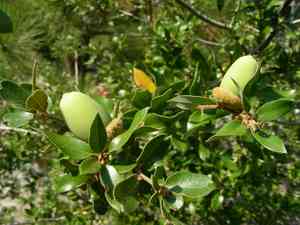
Choose the balmy period of summer for transplanting canyon live oak, guaranteeing its prosperity in permeable ground. A helpful tip: locations with filtered sunlight replicate its native environment, facilitating a smooth adaptation.
What Preparations are Needed Before Transplanting Canyon Live Oak?
What is the Ideal Time for Transplanting Canyon Live Oak?
The optimal period to move canyon live oak is early summer. This timeframe promotes vigorous root development, giving canyon live oak the best start in its new spot. Relocating canyon live oak at this point encourages a smooth transition, utilizing the long, warm days to establish a strong root system before autumn arrives. A friendly reminder to fellow garden enthusiasts: transplanting canyon live oak in early summer maximizes growth potential and ensures a thriving future for your green companion!
How Much Space Should You Leave Between Canyon Live Oak Plants?
Ensure proper spacing for your canyon live oak seedlings. Ideally, you'll want to provide each plant with approximately 30-50 feet (9-15 meters) of room. This spacing allows each plant to develop without competing for resources, and helps protect them from illnesses.
What is the Best Soil Mix for Canyon Live Oak Transplanting?
Your canyon live oak will flourish best in well-draining soil, so consider sandy, loamy, or clay soil with a pH between 6.0 and 7.5. A generous amount of organic compost or well-rotted manure will serve as an excellent base fertilizer. This helps to ensure the soil is rich in nutrients.
Where Should You Relocate Your Canyon Live Oak?
Location is crucial for the success of your canyon live oak. Select a site that receives full sunlight for about 6-8 hours daily. This exposure will enable your canyon live oak to photosynthesize efficiently and grow robustly.
What Equipments Should You Prepare Before Transplantation Canyon Live Oak?
Gardening Gloves
You will need these to safeguard your hands from injury as you handle the canyon live oak and work the soil.
Shovel
This tool will assist in digging the necessary holes and trenches during the transplanting process.
Hand Trowel
A useful implement for extracting the plant from a pot or seedling tray and for returning soil to the planting hole.
Watering Can
Used to hydrate the canyon live oak plant before and after relocation.
Wheelbarrow
Convenient for transporting the plant and soil, especially if the canyon live oak is relatively large.
Planting Stakes
These will help support the canyon live oak as it establishes roots in its new location.
How Do You Remove Canyon Live Oak from the Soil?
How Do You Remove Canyon Live Oak from the Soil?
From Ground: Initially, water the canyon live oak to moisten the roots, making them easier to loosen. Dig a wide trench around the plant with your shovel, being careful to keep the root ball intact. Gently work the shovel beneath the root ball and carefully lift the plant from its original spot.From Pot: Water the canyon live oak plant while it's still in the pot before beginning. Turn the pot on its side, hold the plant gently by its stem, tap the pot's rim on a hard surface to loosen the soil, and allow the plant to slide out.From Seedling Tray: Start by watering the canyon live oak plants. Carefully hold the leaves rather than the stem while gently pushing the bottom of the cell with your other hand. Pull the seedling out, ensuring the roots and soil are not significantly disturbed.
Step-by-Step Guide for Transplanting Canyon Live Oak
Preparation
Before commencing the process, thoroughly water the canyon live oak plant. This makes the procedure gentler on the plant. Please have all your tools readily available as well.
Digging
Excavate a hole using your shovel at your chosen location, twice as wide as the root ball and approximately the same depth. This will provide the roots ample space to spread and grow.
Planting
Position canyon live oak in the hole, ensuring it's level with the ground and centered. Backfill the hole with the excavated soil.
Confirmation
Verify that the canyon live oak is standing upright. Now, completely fill the hole, ensuring there are no air pockets and the plant is stable in the ground.
Watering
After successfully transplanting, water the canyon live oak generously to help settle the soil around the roots.
How Do You Care For Canyon Live Oak After Transplanting?
Stabilization
Utilize the planting stakes to help the canyon live oak become firm immediately after transplanting, especially if itâs a large plant.
Frequent Checkups
Regularly observe the canyon live oak and look for signs of transplant shock such as wilted leaves or discolored foliage.
Moderate Watering
Ensure the canyon live oak receives sufficient water in the weeks following transplanting, depending on the weather conditions. Excessive watering can also cause issues, so ensure the soil isnât waterlogged.
Pest Control
Keep an eye out for pests and diseases that could hinder the successful establishment of the canyon live oak in its new location.
Troubleshooting Common Issues with Canyon Live Oak Transplantation.
What's the best time of year to transplant canyon live oak?
Aim to transplant canyon live oak during the late summer to early winter period (S4-S6). This gives it the best chance of survival.
How much space does canyon live oak need when transplanting?
Canyon live oak requires ample space to flourish. Try to maintain a spacing of around 30-50 feet (9-15 meters) between each plant.
What should I do if the canyon live oak doesn't seem thrive after transplanting?
Check soil conditions, ensure it's well-draining. Water regularly but don't saturate; too much water can stunt growth and cause root rot.
Are there any specific soil requirements for canyon live oak?
Canyon live oak is not overly picky about soil but prefers well-drained types. Be sure to amend heavy clay soils with compost to improve drainage.
How deep should the hole be when transplanting canyon live oak?
Dig a hole that's twice as wide and the same depth as the root ball. This gives canyon live oak enough room to establish its root system.
What should I do if the leaves of canyon live oak start to turn yellow after transplant?
Yellow leaves could hint at overwatering or poor nutrition. Adjust watering and consider using a balanced fertilizer to provide needed nutrients.
What's the right way to water canyon live oak after transplanting?
Water canyon live oak thoroughly immediately after transplanting. Subsequently, water it regularly but be cautious to avoid overwatering.
What do I need to consider while selecting a transplant site for canyon live oak?
Choose a spot with full sun or partial shade. Ensure the site can accommodate canyon live oak's mature size (30-50 feet or 9-15 meters apart).
Is staking necessary after transplanting canyon live oak?
Staking may be necessary for larger or unstable canyon live oak to prevent wind damage. Remember to remove the stakes after the first year.
How to deal with pests or diseases after transplanting canyon live oak?
Monitor canyon live oak regularly. If you see signs of pests or diseases, use an appropriate organic or chemical control method. When in doubt, consult a local garden center.



